Ever walked into a room that just felt different, but you couldn’t quite pinpoint why? The secret might be hiding right beneath your feet.
Layering rugs is one of those design tricks that changes ordinary spaces into something new.
There’s an art to creating depth and warmth that changes boring floors into intriguing spaces, and it’s easier to master than you’d think.
Why Layering Rugs Uplifts Your Space?
Layering rugs turns ordinary floors into design statements that captivate and comfort. This technique adds remarkable depth, texture, and warmth to any room by enriching surfaces visually while increasing the cozy factor underfoot.
In open concept spaces, layered rugs serve as powerful tools for defining distinct zones. They anchor seating arrangements, mark dining areas, or separate workspaces without requiring walls or permanent dividers.
Perhaps most appealing is the flexibility that layering provides for style updates. This adaptability makes rug layering both practical and creatively liberating for evolving tastes.
Key Principles for Choosing Rugs to Layer
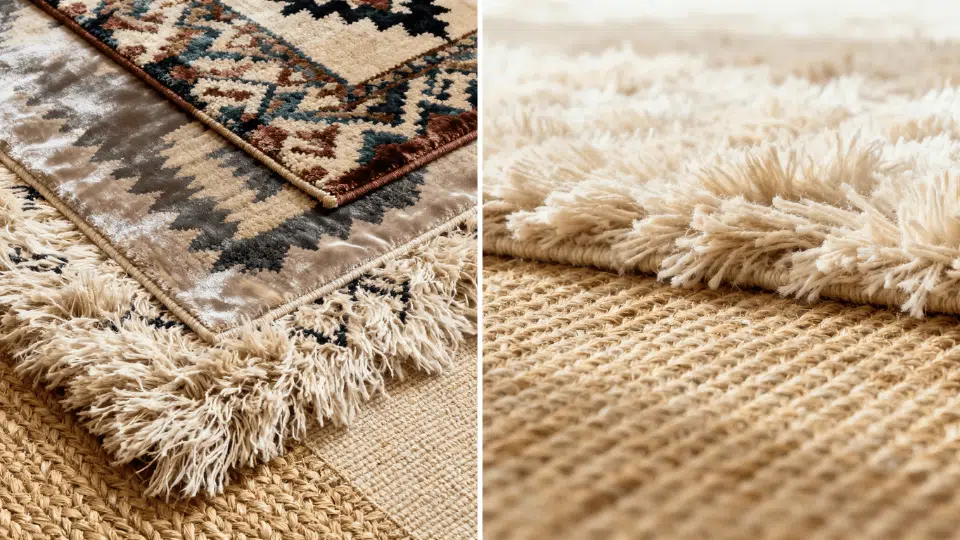
Mastering layering requires understanding how different elements interact to create harmonious, visually striking floor designs.
The right combination of size, color, texture, and pattern turns rugs from random placement into intentional artistry.
1. Start with the Right Base Rug
The foundation determines the success of the entire layered look, requiring careful consideration of size, color, and material.
- Ideal size: Choose a base rug that extends at least 18 inches beyond the furniture on all sides, creating a substantial foundation that anchors the layered rugs in the living room effectively.
- Neutral colors or subtle patterns: Opt for beige, gray, cream, or soft taupe with faint stripes or muted geometrics that provide versatility without competing for attention.
- Materials that work best as a base: Select jute, sisal, flatweave wool, or low-pile synthetics that provide stability and complement the decorative top layer in layering rug designs.
2. Selecting the Top Layer Rug
The accent rug adds personality and visual interest, so thoughtful sizing and bold contrast are required to make an impact.
- Choosing a smaller accent rug: Select a top rug measuring one-third to half the base size to create a clear hierarchy while highlighting conversation areas.
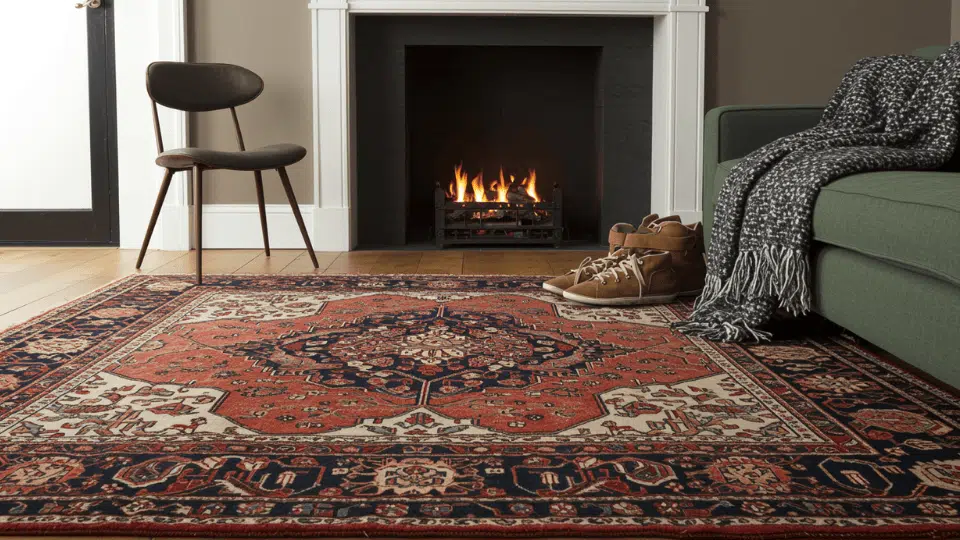
- Using contrast in color, texture, or pattern: Find striking differences like vibrant Persian rugs atop neutral bases, allowing layered area rugs to showcase bold personality through color and pattern.
3. Mix of Materials and Pile Heights
Combining diverse textures and heights adds a tactile dimension, making layered designs truly captivating.
- Flat-weave base with plush top: Pair a low-profile sisal or cotton dhurrie with a high-pile shag or Moroccan wool for layering that creates engaging height variation.
- Natural fibers paired with decorative rugs: Ground spaces with jute or seagrass, while adding silk, velvet, or patterned wool top layers for textural contrast.
4. Balancing Color, Pattern, and Shape
Achieving harmony without visual chaos requires thoughtful coordination that guides the eye naturally through the space.
- How to coordinate without creating visual clutter: Keep layered areas within a complementary palette by pulling accent colors between layers for cohesive flow
- When to mix patterns and when to keep it simple: Pair large-scale with small-scale patterns, ensuring shared colors, or combine patterned with solid rugs for foolproof layered rugs, living room elegance
Layering Rugs in the Living Room
The living room offers the ideal canvas for showcasing a layered area, where thoughtful placement creates visual interest and functional definition. Strategically layering rugs turns seating areas into cohesive, inviting spaces.
Anchoring the Seating Area
The base rug should extend beneath all major seating pieces, with the front legs of the furniture resting on it to anchor the arrangement.
The top accent rug typically sits centered under or in front of the coffee table, creating a focal point within the seating cluster.
Aim for 6-12 inches of the base rug to remain visible around the perimeter of the top layer, providing clear definition between layers while maintaining cohesion.
Layout Options for Living Rooms
Centered layering places the accent rug directly in the middle of the base rug, creating symmetrical, formal arrangements perfect for traditional spaces.
Offset layering positions the top rug slightly to one side or at an angle, introducing dynamic energy and contemporary flair to layered rugs in living room designs.
Both approaches work beautifully when overlapping furniture legs: either layer front sofa legs that can rest on the base while the coffee table sits on the accent rug, or the accent rug can tuck partially under seating for an integrated flow.
Styling Ideas for the Living Room
Layering adapts beautifully to any design aesthetic, offering limitless possibilities for personalization. The key to successful layered area lies in selecting combinations that reinforce the room’s existing style while adding depth and character.
1. Minimalist Look
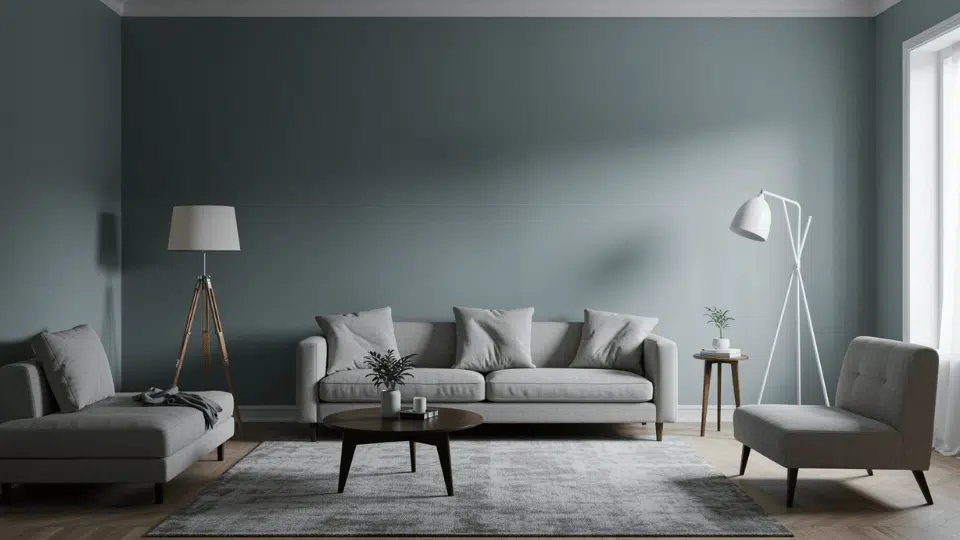
Clean lines and restrained palettes define minimalist spaces where layering adds subtle texture without visual clutter. This approach prioritizes quality over quantity, letting each layer breathe while maintaining serene simplicity.
- Layering suggestion: Pair a neutral beige or gray flatweave base with a simple cream or ivory textured top layer for an understated vibe.
- Furniture pairing: Complement with low-profile furniture in clean lines and neutral upholstery for serene simplicity.
- Recommended colors: Whites, grays, beiges, and soft taupes that maintain minimalist tranquility.
2. Boho and Eclectic Combinations
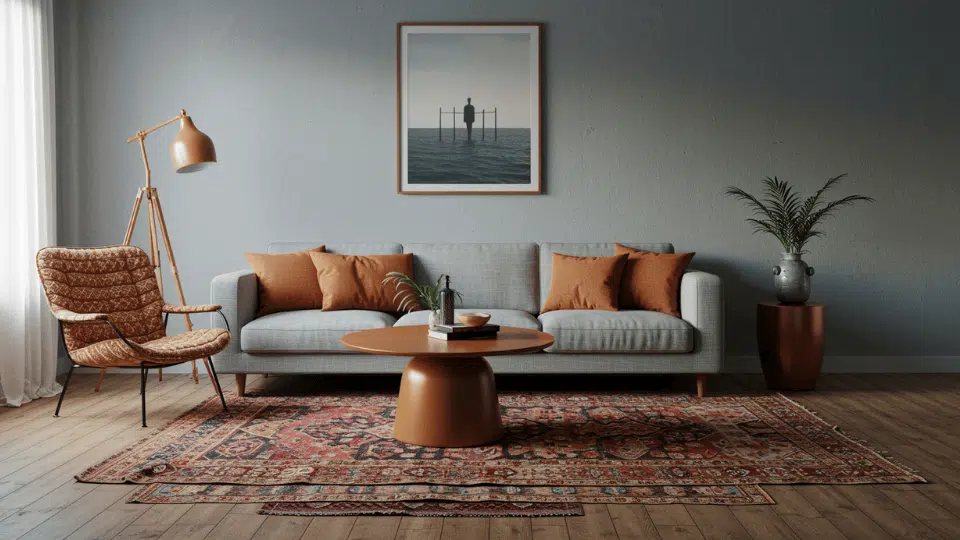
The Bohemian style celebrates pattern, color, and global influences, where layered area rugs create a collected, worldly charm. This maximalist approach accepts imperfection and artistic expression through bold textile combinations.
- Layering suggestion: Layer natural jute or sisal bases with colorful Moroccan, Turkish, or kilim accent rugs featuring vibrant patterns.
- Furniture pairing: Mix with rattan furniture, floor cushions, and layered textiles for collected charm.
- Recommended colors: Terracotta, mustard yellow, deep teal, burnt orange, and rich purples for bohemian vibrancy.
3. Modern Classic Pairings
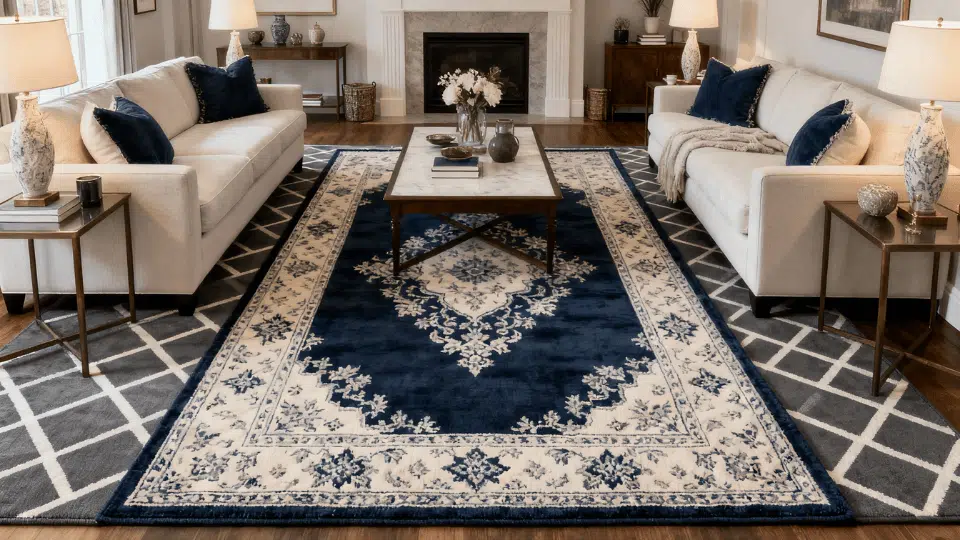
Modern and evergreen classic interiors balance contemporary restraint with traditional richness. Layering in this style adds depth while maintaining a refined vibe that never feels dated.
- Layering suggestion: Start with a subtle geometric or tone-on-tone base in gray or charcoal, then top with Persian or traditional accent rugs.
- Furniture pairing: Pair with tailored sofas, structured armchairs, and polished wood or metal accents.
- Recommended colors: Navy, charcoal, cream, black, and sophisticated jewel tones for evergreen appeal.
4. Coastal-Inspired Layers
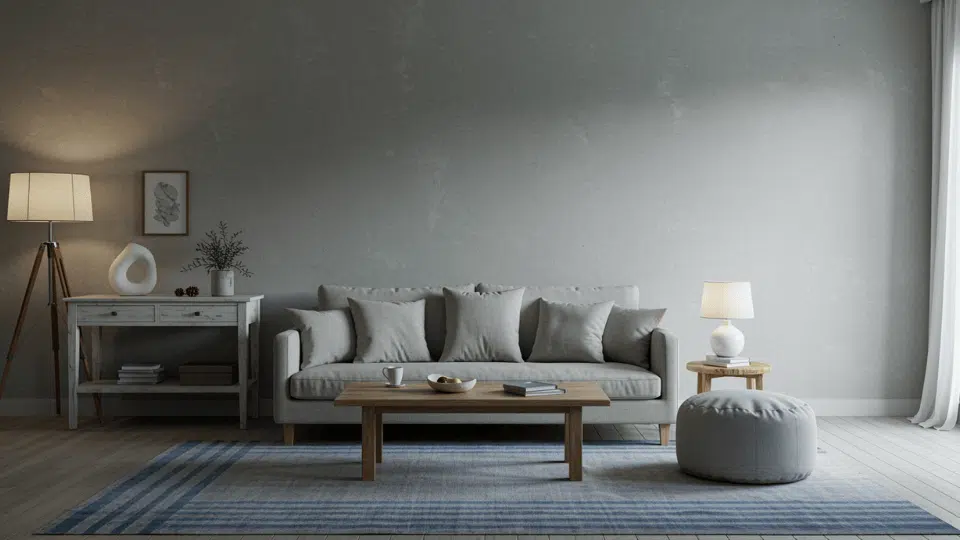
Breezy and relaxed, coastal design evokes seaside tranquility through light colors and natural textures. Layered rugs and living room arrangements in this style bring airy comfort and vacation-like serenity indoors.
- Layering suggestion: Combine light sisal or cream wool bases with soft blue, seafoam, or sandy beige striped or subtly patterned top rugs.
- Furniture pairing: Highlight with whitewashed wood furniture, linen upholstery, and natural textures.
- Recommended colors: Soft blues, aquas, sand tones, whites, and weathered grays for breezy relaxation.
5. Rustic Farmhouse Style
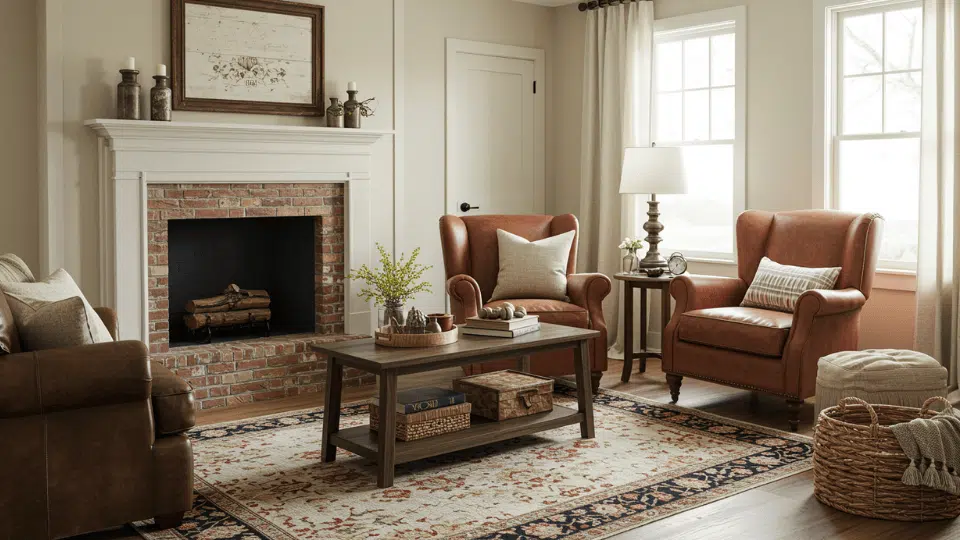
Warm and inviting, farmhouse interiors celebrate heritage and handcrafted appeal. Layering in this vibe adds cozy dimension and lived-in character, making spaces feel welcoming and authentic.
- Layering suggestion: Use jute or sisal bases topped with vintage Persian, distressed kilim, or faded floral accent rugs for lived-in warmth.
- Furniture pairing: Grounded with reclaimed-wood furniture, cozy upholstered pieces, and antique-inspired accessories.
- Recommended colors: Warm browns, muted reds, faded blues, creams, and weathered neutrals for rustic authenticity.
Styling Ideas for Other Rooms
While living rooms showcase layering beautifully, other spaces throughout the home benefit equally from this versatile design technique, each offering unique opportunities for creative expression and functional enhancement.
6. Soft Serenity Stack
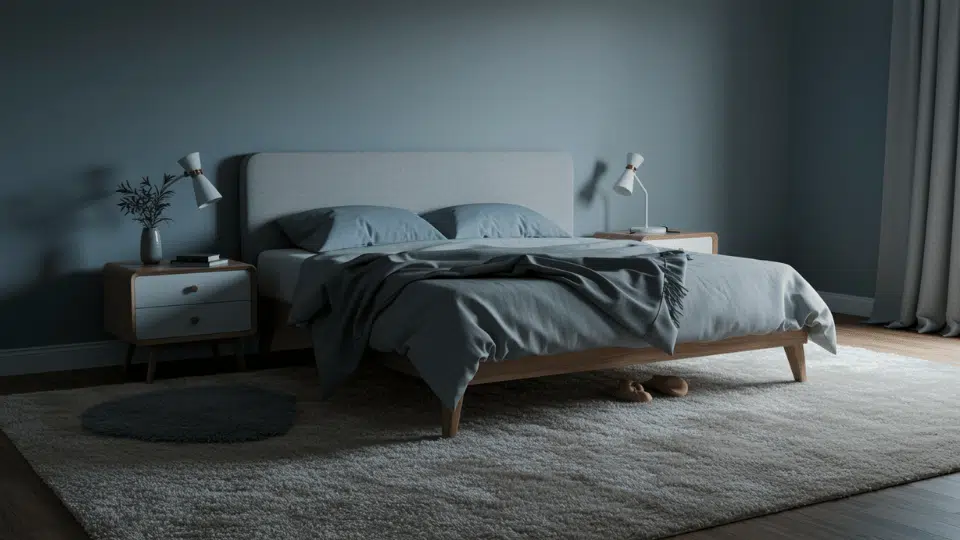
Create a soothing retreat where layering turns the bedroom into a plush sanctuary. This approach prioritizes comfort and visual softness, making mornings more inviting and evenings more relaxing.
- Layering suggestion: Pair a plush oversized rug under the bed with a smaller faux fur or textured accent rug near the foot or side for instant comfort.
- Furniture pairing: Position the base rug so it extends beyond the bed on three sides, with nightstands resting partially on the edges.
- Recommended colors: Soft whites, blush pinks, pale grays, warm creams, and muted lavenders for serene tranquility.
7. Double Frame Dining
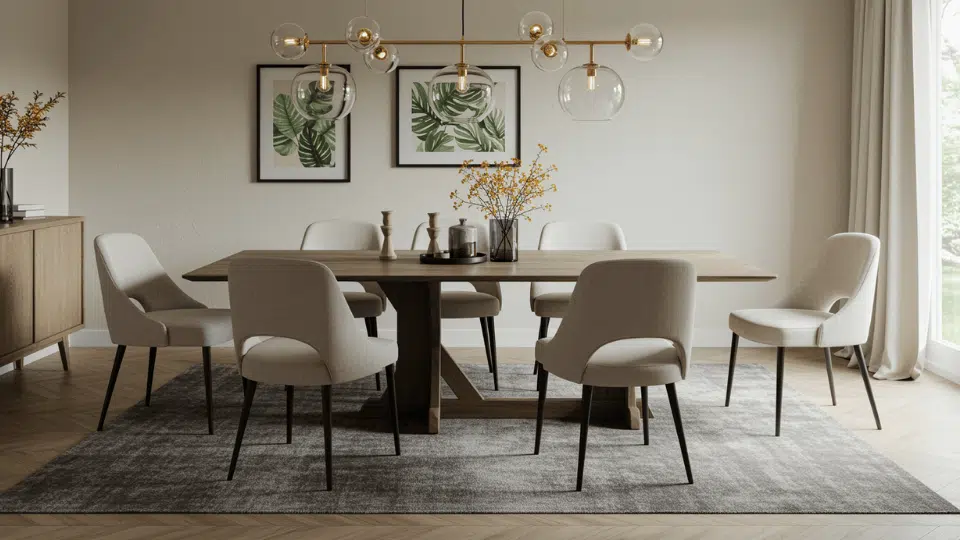
Class and practical, dining room layered area rugs define the eating space while adding a modern dimension. This layering technique protects floors while creating visual interest that enhances mealtime ambiance.
- Layering suggestion: Use a durable, easy-clean base rug beneath the table, then add a centered accent rug with subtle patterning on top.
- Furniture pairing: Ensure the base rug extends at least 24 inches beyond the table on all sides to accommodate pulled-out chairs comfortably.
- Recommended colors: Navy, charcoal, deep burgundy, forest green, and warm neutrals that hide spills while maintaining grace.
8. Welcome Layer Lift
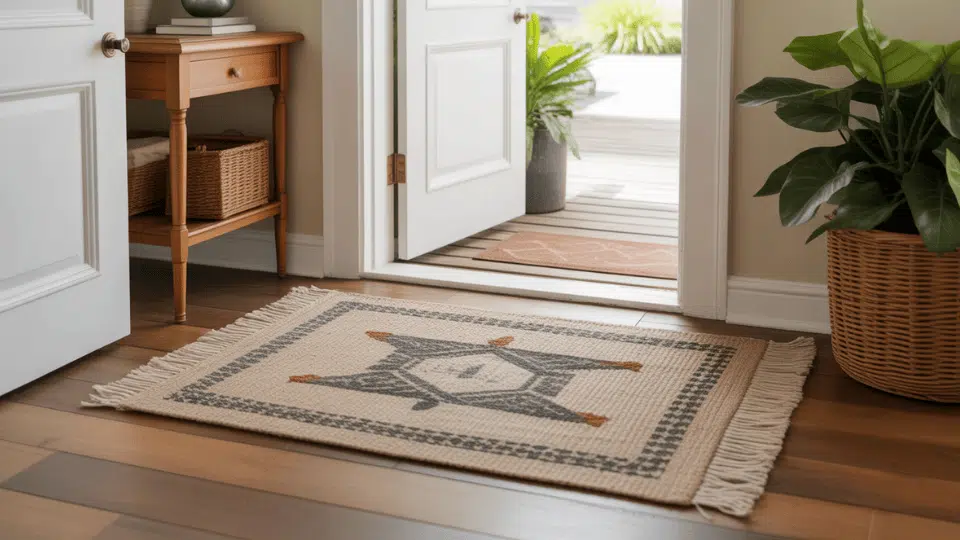
First impressions matter, and layered rugs in living room entryways create an immediate visual impact. This strategic combination balances durability with decorative appeal in high-traffic zones.
- Layering suggestion: Combine a tough, natural-fiber base rug with a smaller decorative accent rug placed slightly off-center for a stylish personality.
- Furniture pairing: Flank with a console table, bench, or coat rack that complements the rug colors and establishes functional flow.
- Recommended colors: Warm browns, terracotta, slate blue, olive green, and mixed patterns that disguise dirt while welcoming guests.
9. Pathway Pattern Play
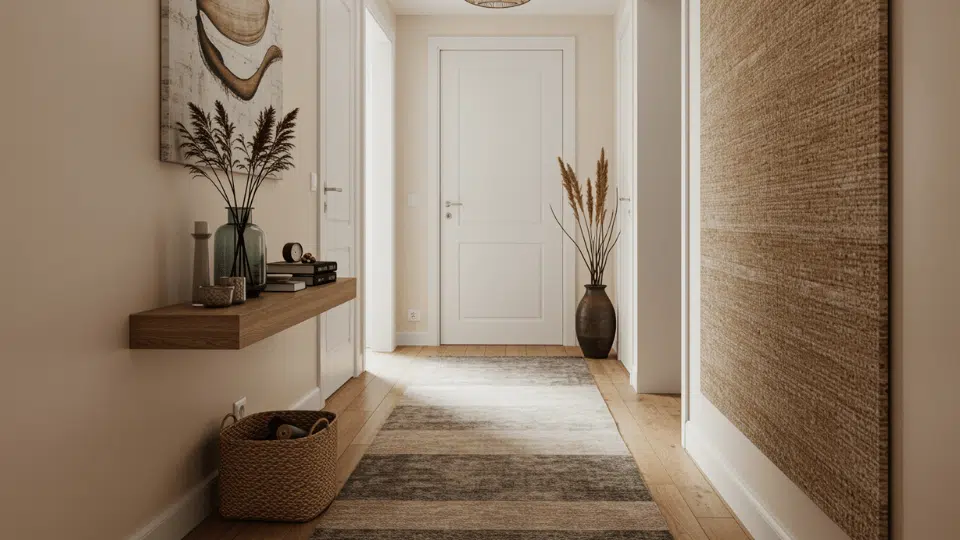
Changes overlooked corridors into design moments by layering rugs to add artistic dimension. This creative approach breaks up long, narrow spaces while maintaining cohesive flow throughout the home.
- Layering suggestion: Layer a long flat-weave runner with a shorter patterned runner on top to create visual rhythm and artistic contrast
- Furniture pairing: Keep hallways uncluttered with minimal wall-mounted hooks, narrow console tables, or floating shelves that don’t obstruct the layered runners
- Recommended colors: Geometric blacks and whites, striped grays, vintage reds, or complementary tones that guide movement through the space
Practical Tips for High-traffic Living Rooms
Layered rugs in living room designs require practical considerations to maintain beauty and functionality in busy households.
- Place quality non-slip pads between both the floor and base rug, and between the base and top rug to prevent shifting, bunching, and tripping hazards in high-traffic areas
- Vacuum layered area rugs at least twice weekly, lifting the top layer occasionally to clean the base rug thoroughly and prevent dirt accumulation between layers
- Rotate both rugs every three to six months to distribute wear evenly, prevent fading in sun-exposed areas, and extend the lifespan of your layering rugs investment
- Address spills and stains promptly using appropriate cleaners for each rug material, blotting rather than rubbing to prevent damage and stain spreading between layers
- Schedule professional cleaning annually for both rugs, particularly in high-traffic living rooms where layered area rugs accumulate more dirt, dust, and debris over time
Conclusion
Layering rugs isn’t just a design trend; it’s your shortcut to a room that feels polished, cozy, and uniquely yours. You don’t need a huge budget or professional help to pull this off.
Start with what you have, experiment with different combinations, and trust your instincts. The beauty of this technique is that there’s no single “right way” to do it.
So grab that second rug and start experimenting; the worst that happens is a quick lesson, and the best is a space that stops everyone in their tracks.