
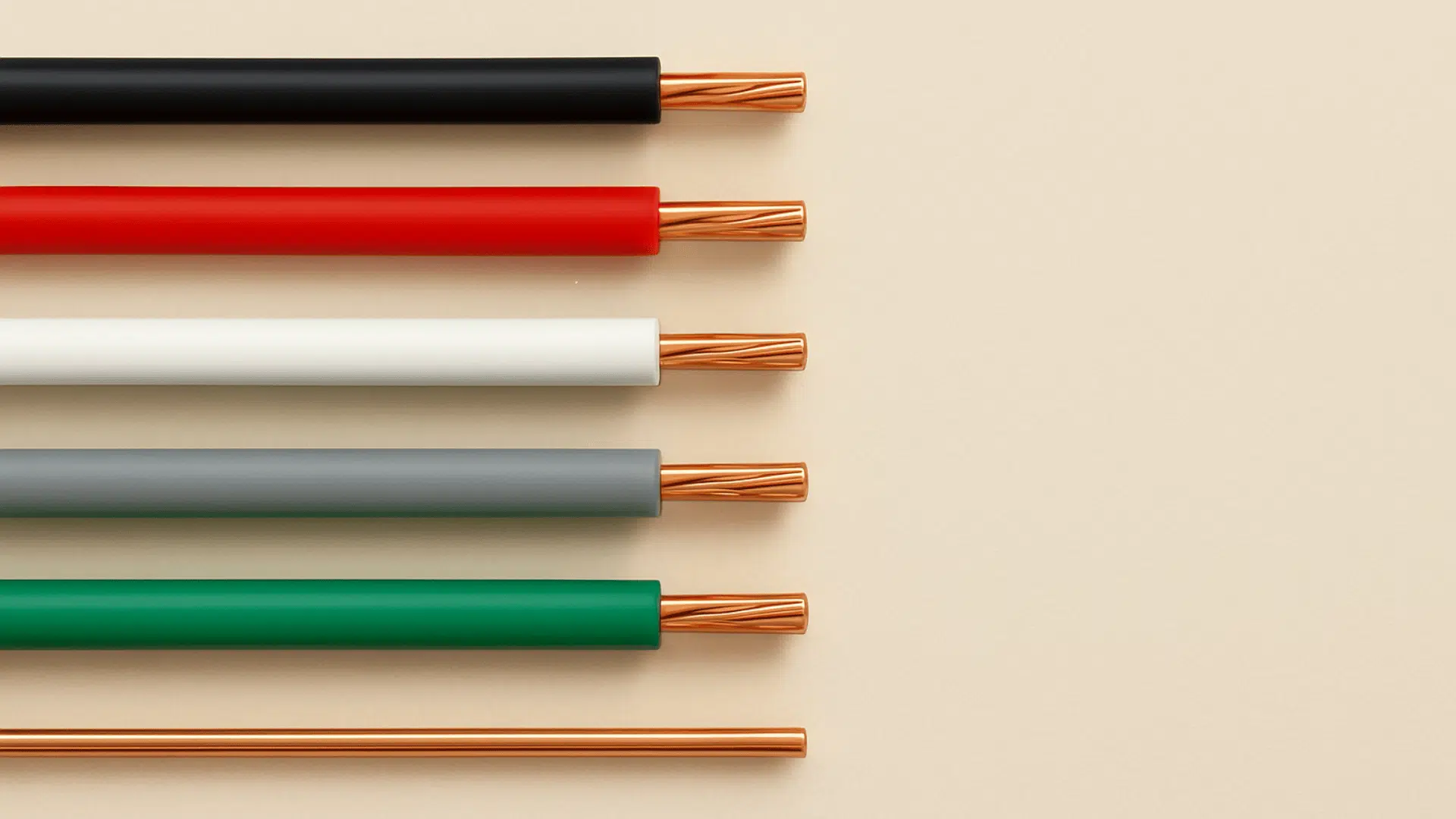
When I first looked inside a light switch, the colored wires seemed confusing. But those colors aren’t random; each one serves a specific purpose to keep your home safe.
Each wire color, black, white, green, and red, serves a unique function in keeping electricity flowing safely through your home.
If you’re tackling a DIY project or just curious about how your home works, understanding these color codes prevents dangerous mistakes. Let’s decode your home’s electrical rainbow!
Why Is It Important to Know Electrical Wire Color Codes?
Understanding electrical wire colors is fundamental for anyone working with electrical systems, whether you’re a professional electrician or a DIY resident.
Color coding in electrical systems plays a crucial role in safety and accident prevention, helping avoid shocks, fires, and equipment damage by offering instant visual identification of each wire’s function.
It also supports organization and future maintenance, making troubleshooting far easier for both electricians and residents.
Additionally, proper color coding ensures legal compliance, as the National Electrical Code (NEC) and NFPA 70 mandate specific wiring color requirements across the United States.
What Do Different Electrical Wire Colours Indicate?
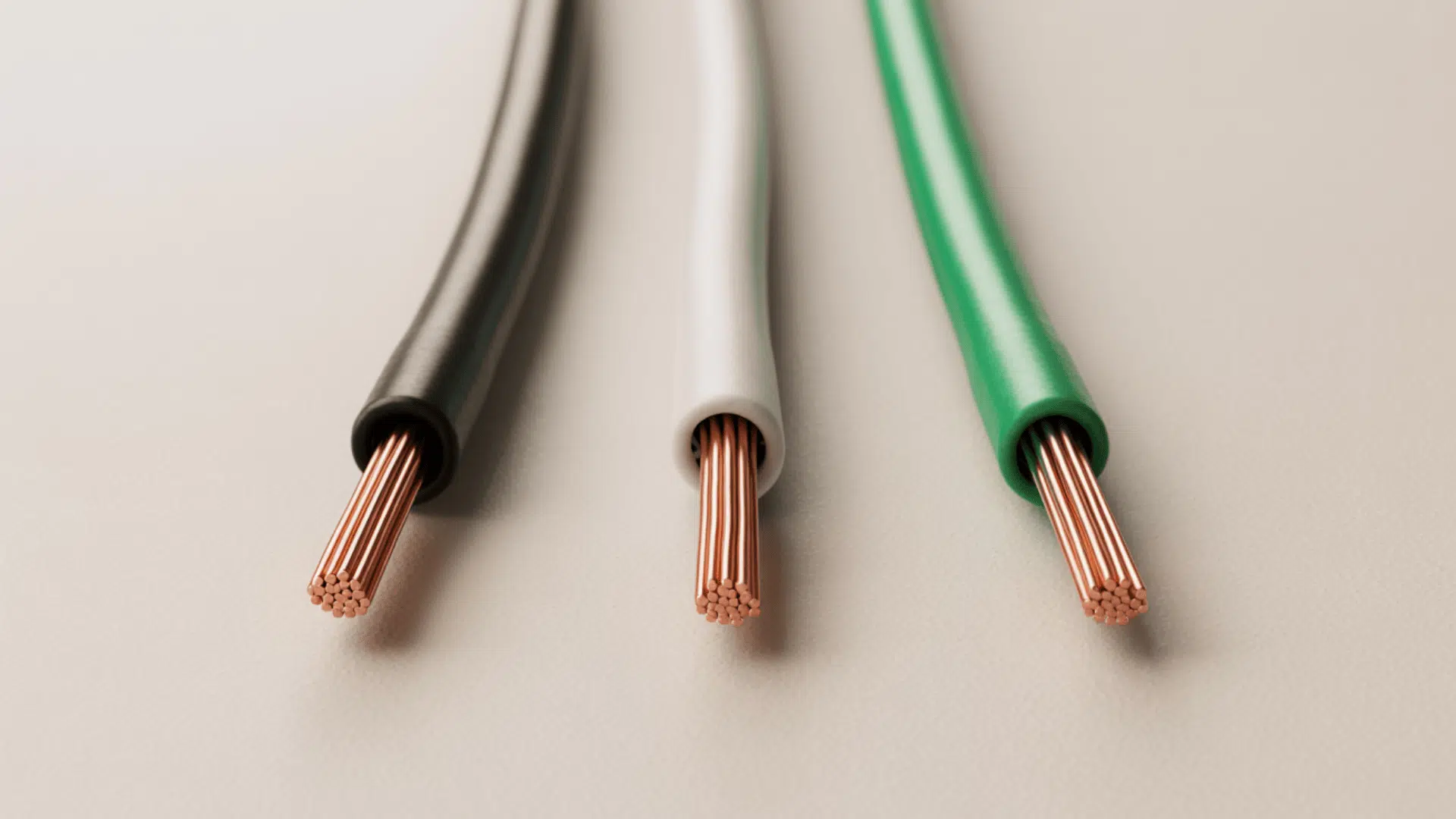
The system of electrical wire colors is essentially an immediate visual guide to a wire’s function, and it’s critical for safety. In residential wiring, three main types of conductors are used, each serving a specific and essential role:
- Hot (Live) Wires: Usually black or red, these carry electrical current from the power source to the load (such as lights or appliances). Hot wires are always live and dangerous when exposed
- Neutral Wires: Typically white or gray, they complete the circuit by returning the current back to the electrical panel. These wires can still carry current; not safe to touch
- Ground (Earth) Wires: Green or bare copper, this wire provides a vital safety path that directs fault currents safely into the ground, helping prevent shocks and electrical fires
U.S. Standard Electrical Wire Colors Code at a Glance
Understanding electrical wire color codes is essential for safe installations and repairs. This quick reference guide breaks down the standard U.S. wire color meanings to help you identify each wire’s function at a glance.
1. Black Wires
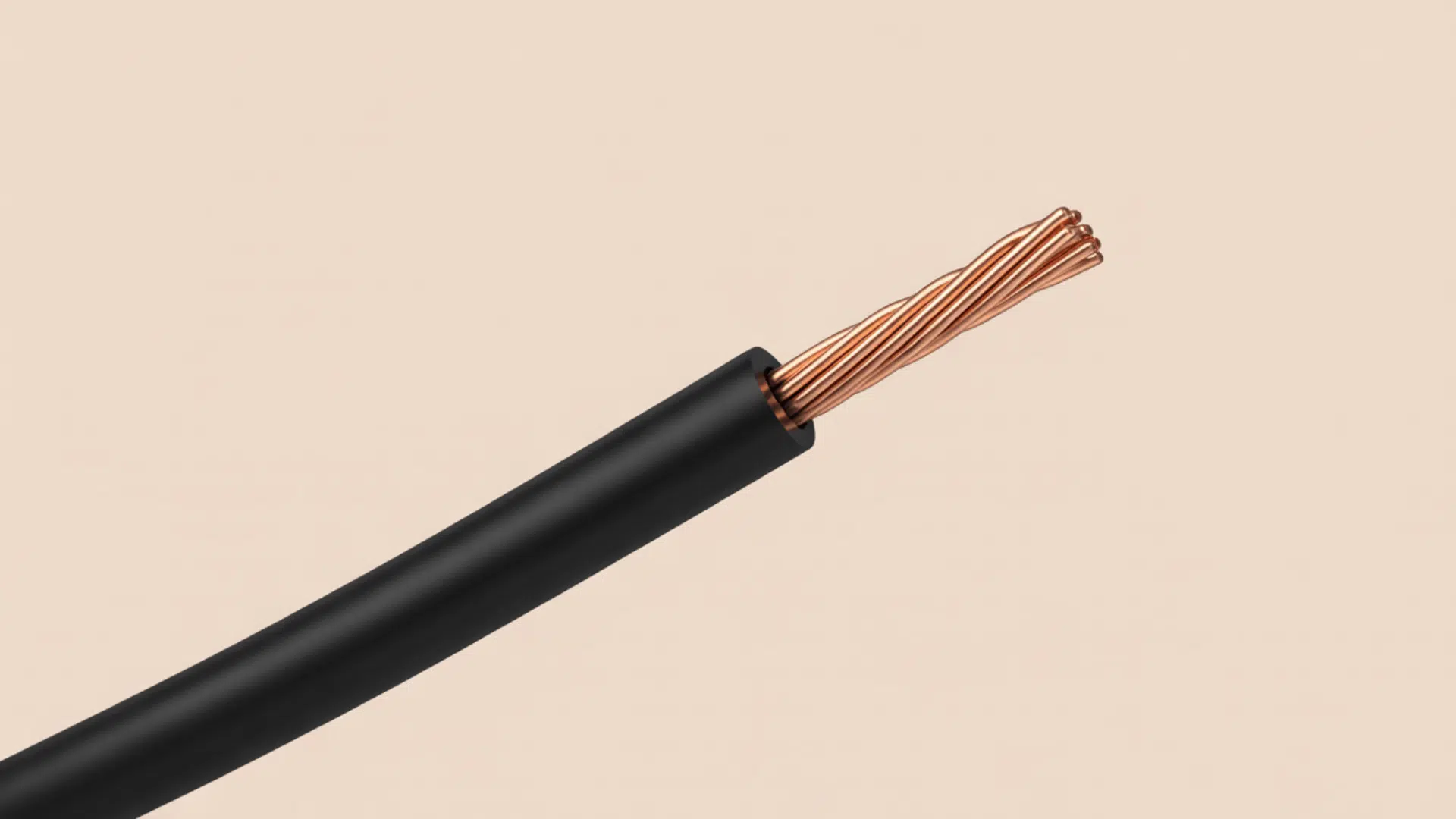
Black wires are the most common hot conductors in 120V residential circuits, carrying power from the breaker panel to outlets and switches, though the NEC only prohibits using white/gray neutrals or green/bare grounds as unmarked hot wires.
Understanding this wire color meaning is critical because black wires should always be treated as live and potentially dangerous, even when a switch appears to be in the off position.
2. Red Wires
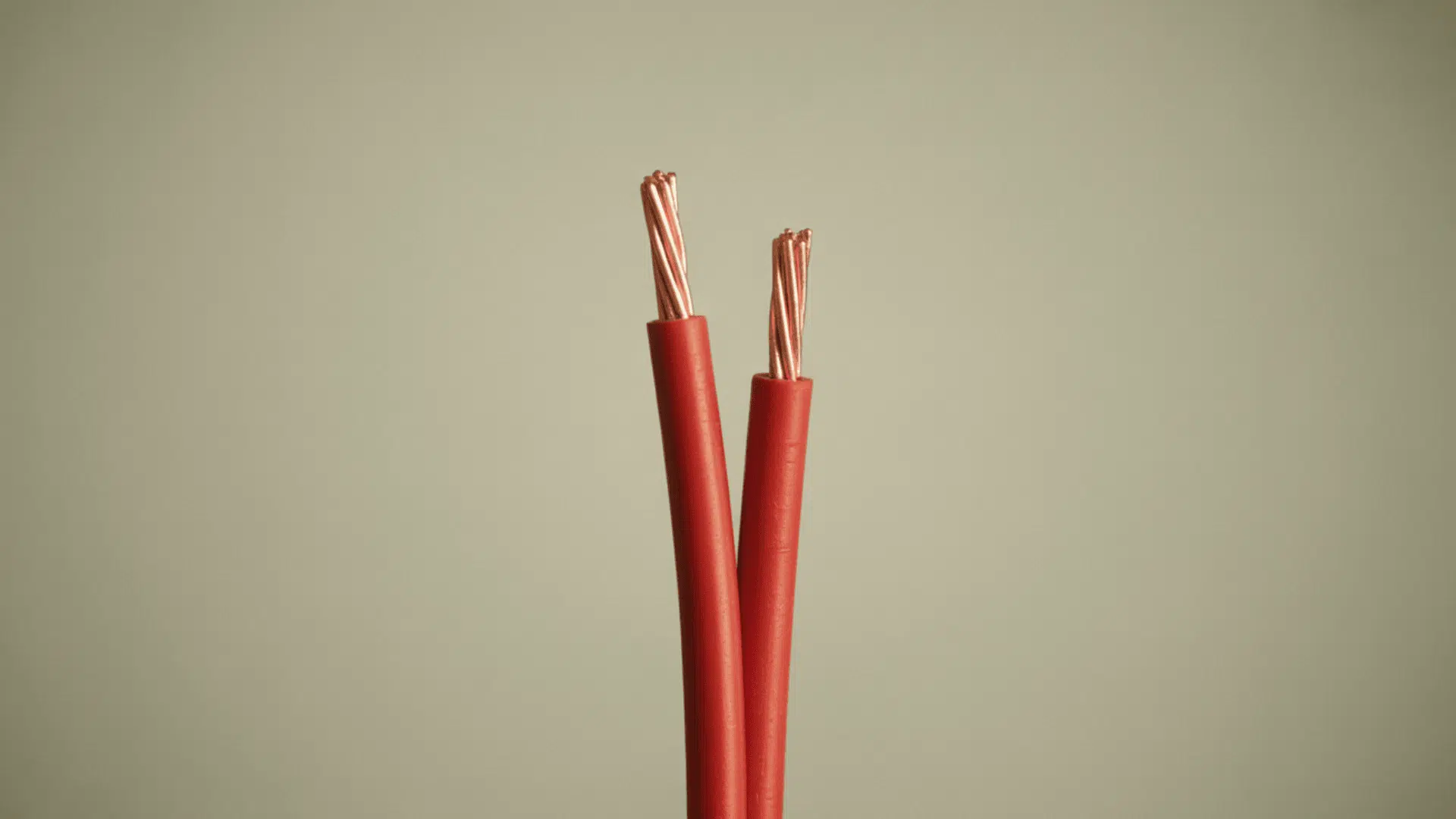
Red wires function as secondary hot wires, most commonly found in 240V circuits that power high-demand appliances such as electric dryers, stoves, and air conditioners.
These wires are also essential components in 3-way and 4-way switch configurations, where multiple switches control a single light fixture from different locations.
3. Blue and Yellow Wires
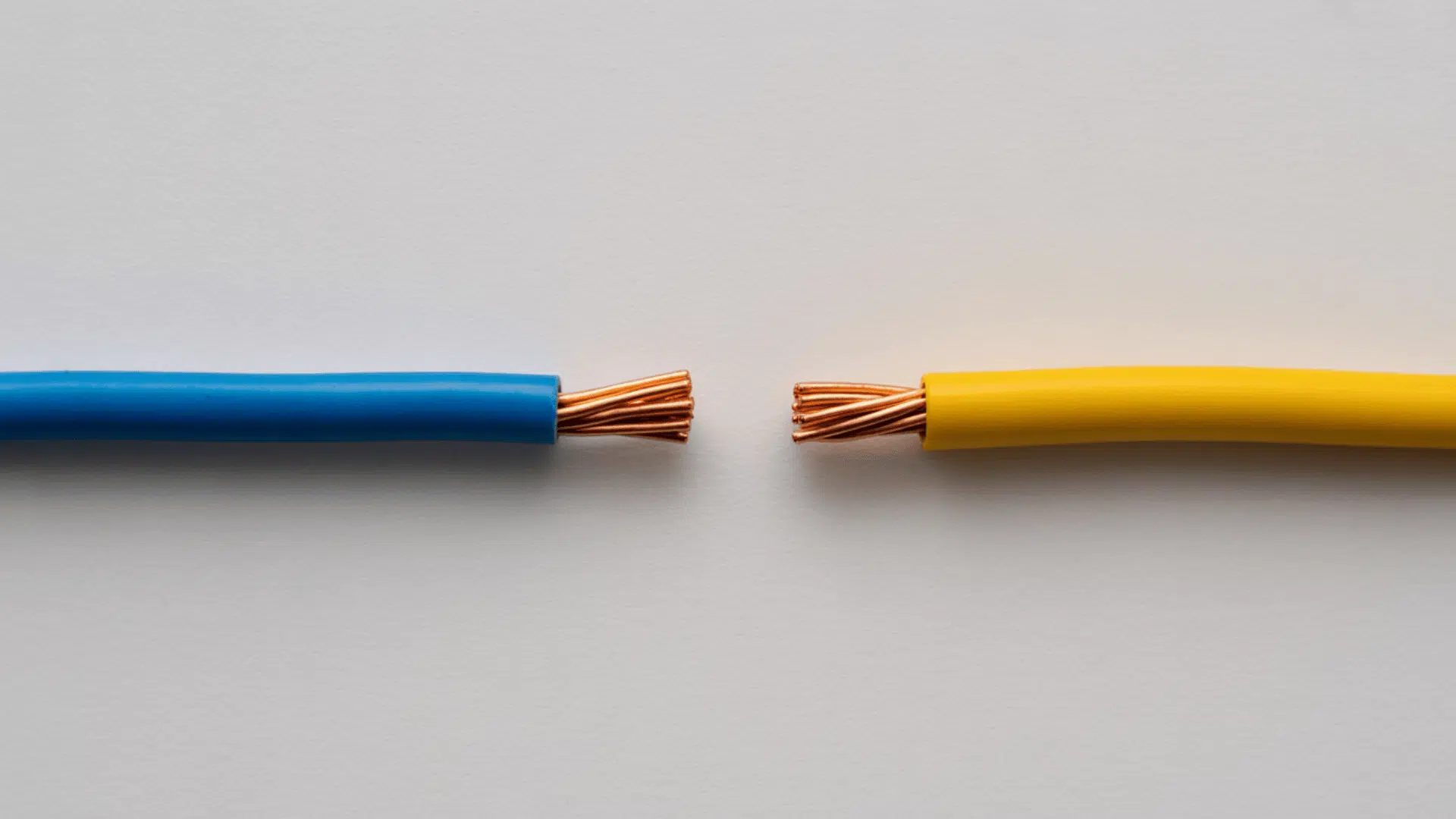
Blue and yellow wires serve as additional hot wires designated for specific applications where multiple switched circuits are required in a single location.
Blue and yellow wires are commonly used in 3-way/4-way switch configurations and commercial 277/480V installations, with blue also serving as a hot wire in three-phase 120/208V systems where multiple hot conductors require clear differentiation.
4. White and Gray Wires
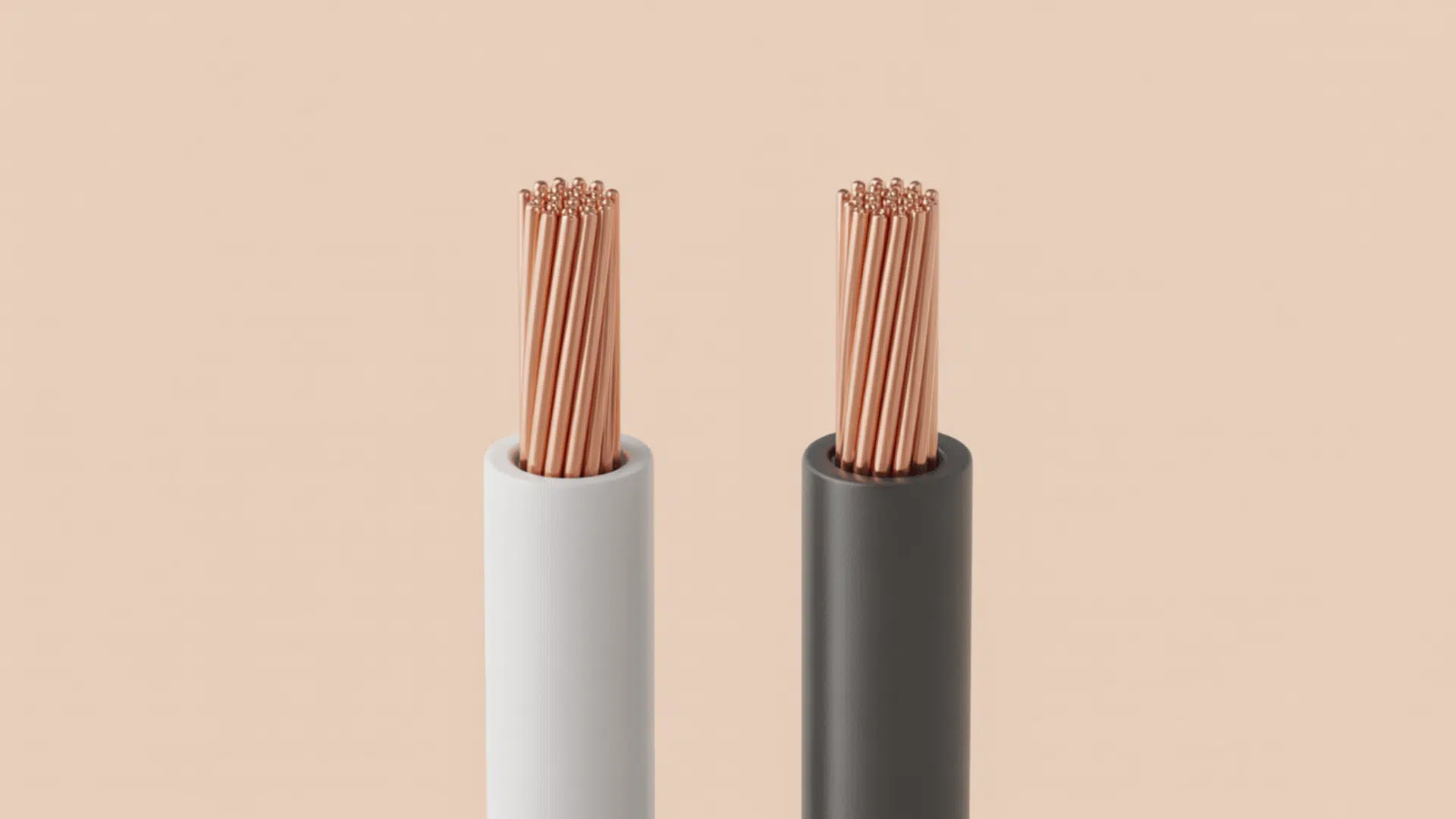
White and gray wires function as neutral conductors, providing the essential return path for electrical current to complete the circuit back to the service panel.
White wires normally return current as neutrals, but they can serve as hot wires in switch-loop setups when properly marked with black or red tape at both ends.
5. Green Wires and Bare Copper
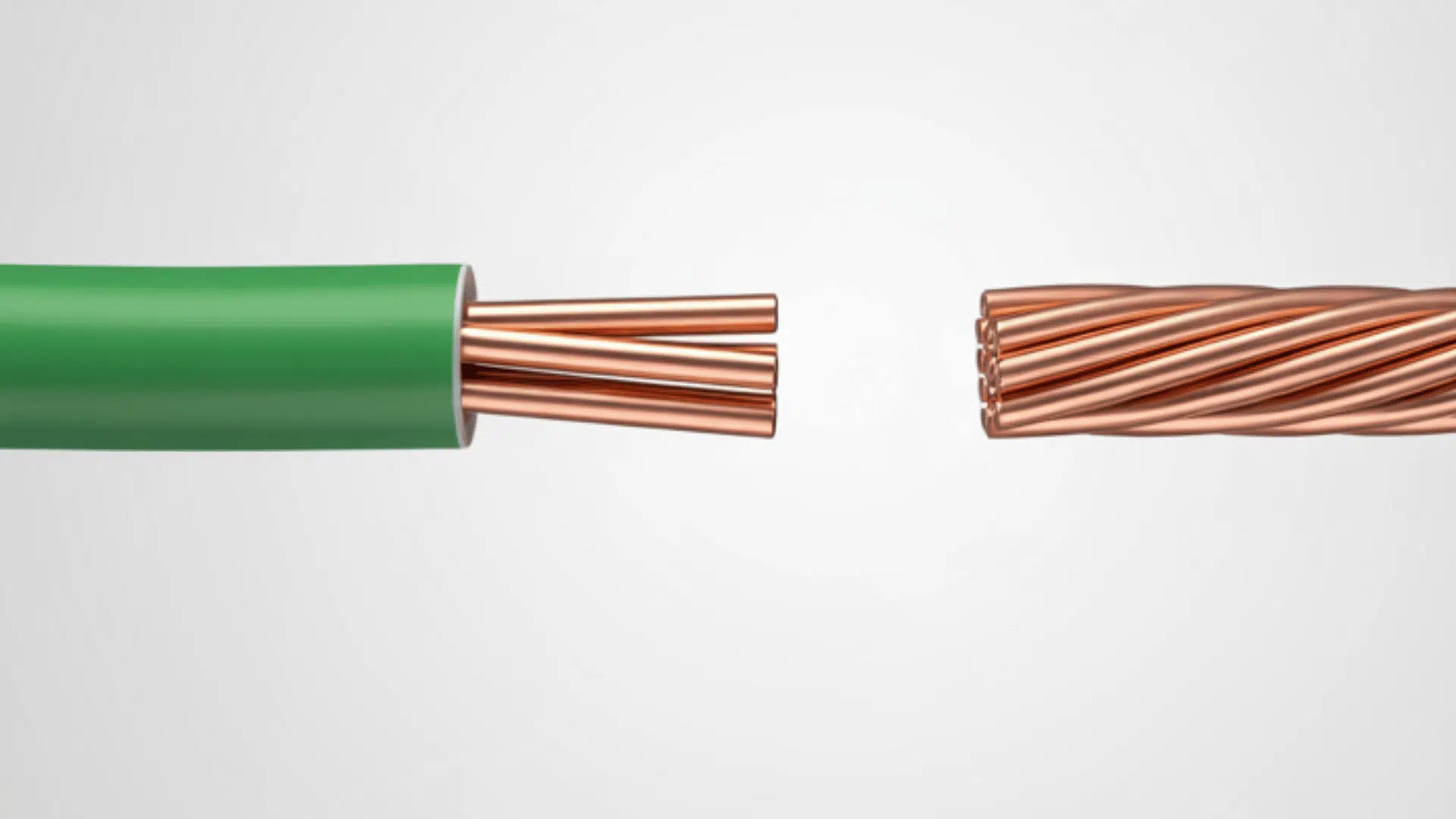
Green wires and bare copper conductors serve exclusively as grounding wires, providing a critical safety feature that protects people and equipment from electrical faults.
These grounding conductors never carry current under normal operating conditions but create a low-resistance path to redirect dangerous fault current safely into the ground during electrical malfunctions.
6. Orange Wires
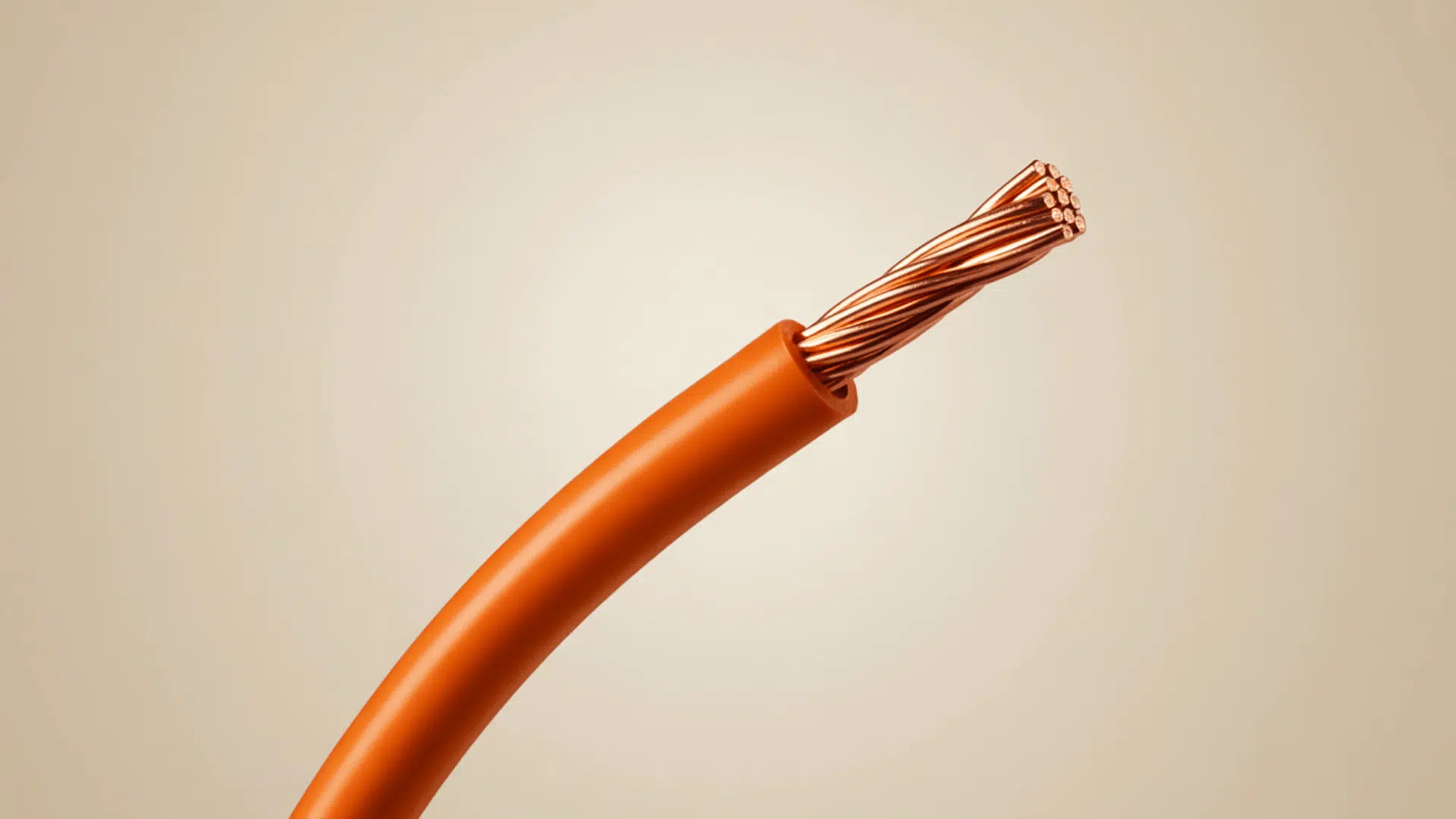
Orange wires represent a special case in the electrical wire color code, primarily used to identify the high-leg or wild-leg phase in delta-configured 3-phase systems that provide both 240V and 120V power.
These 240/120V 3-phase systems are rare in modern residential and commercial installations, having been largely replaced by more conventional wye-configured systems.
International Wire Color Comparison
Electrical wire color standards vary across regions, and understanding these differences is essential when working with imported appliances or performing electrical work in global contexts. Below is a quick comparison of major international standards.
| REGION | STANDARD | LIVE / HOT | NEUTRAL | GROUND / EARTH | NOTES |
|---|---|---|---|---|---|
| Canada | CEC | Similar to the U.S. | Similar to the U.S. | Similar to the U.S. | Minor regional variations in code requirements |
| UK & Europe | IEC | Brown | Blue | Green/Yellow | Older systems used Red (live) & Black (neutral) |
| Asia & Other Regions | Country-specific | Varies (e.g., Japan: Black; India: Red; China: Brown) | Varies (e.g., Japan: White; India: Black; China: Blue) | Green/Yellow is commonly used | Important to verify standards before connecting imported devices |
Common Mistakes and Misunderstandings About Wire Colors
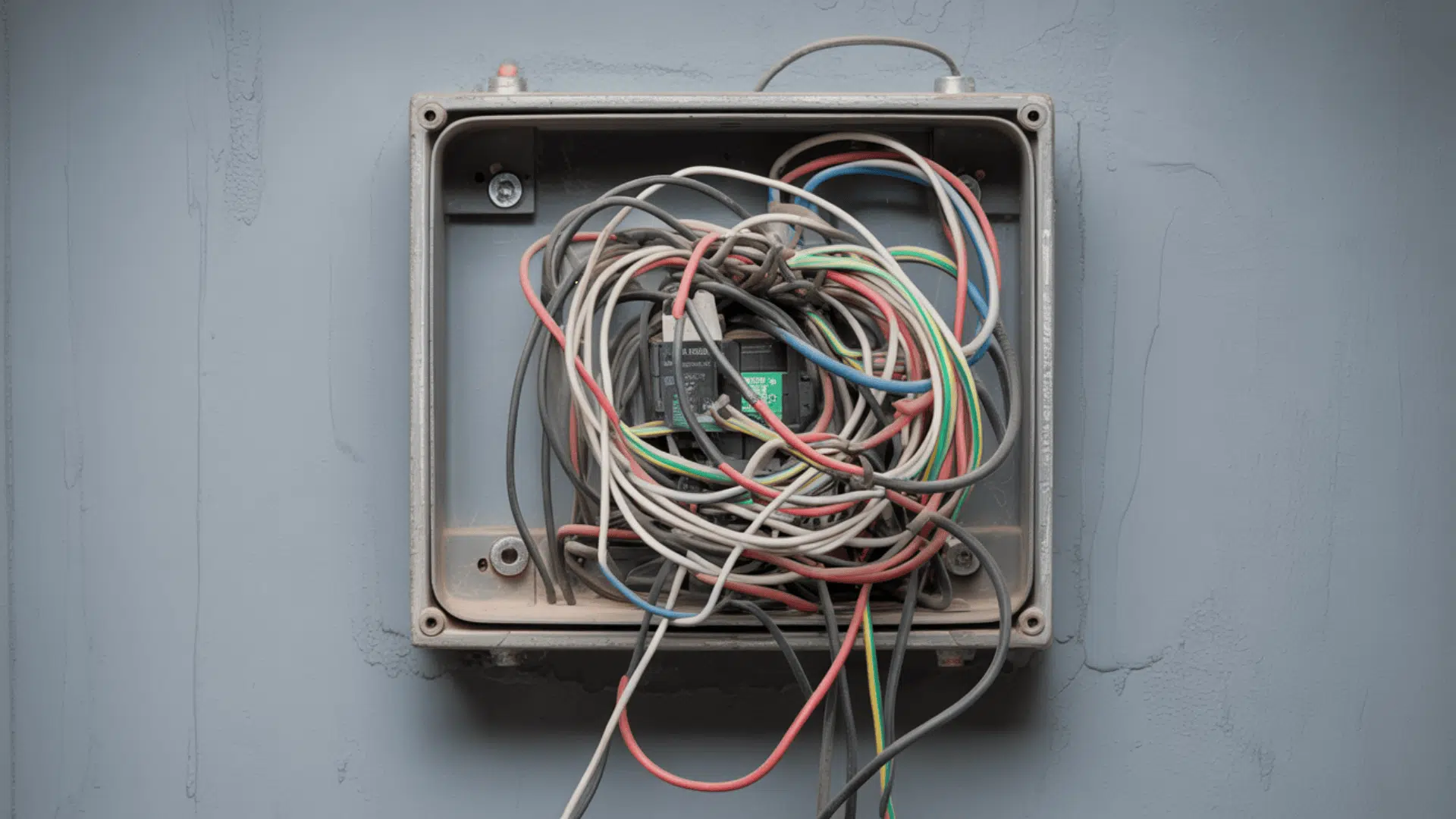
Even experienced DIYers can fall into traps when dealing with electrical wire colors. Understanding these common mistakes and misunderstandings about wire colors can prevent serious safety hazards and code violations.
- Assuming all white wires are neutral: In switch loops or certain configurations, white wires may be re-identified as hot conductors with tape or markings
- Ignoring international differences: Wire color standards vary significantly between countries; never assume colors mean the same thing globally
- Reusing old wiring without verification: Older homes may have outdated or non-standard color coding that doesn’t match current NEC requirements
Safety Tips When Working with Electrical Wires
Working with electrical systems requires strict adherence to safety protocols to prevent serious injury or death. If you’re replacing an outlet or troubleshooting a circuit, following these essential safety guidelines is non-negotiable.
- Always turn off the power at the breaker panel and verify it’s off before beginning work
- Use proper testing equipment, like voltage testers and multimeters, to confirm circuits are de-energized
- Never work on live circuits under any circumstances
- Wear appropriate safety gear, including insulated gloves and safety glasses
- Hire a licensed electrician for complex projects, panel upgrades, or when unsure about any aspect of the work
- Obtain necessary permits and ensure all work meets local code compliance requirements
- Watch for warning signs of faulty wiring, such as flickering lights, burning smells, discolored outlets, or frequently tripping breakers
Wrapping It Up
Understanding electrical wire colors is crucial for safe home repairs. Black wires carry power, white wires are neutral, green or bare copper provide grounding, and red wires handle secondary connections.
When I learned these basics, electrical work became far less intimidating.
Always turn off the power at the breaker before starting any project, and call a professional for complex jobs.
Now that you know what each color means, you can confidently tackle simple electrical tasks while keeping your home safe.