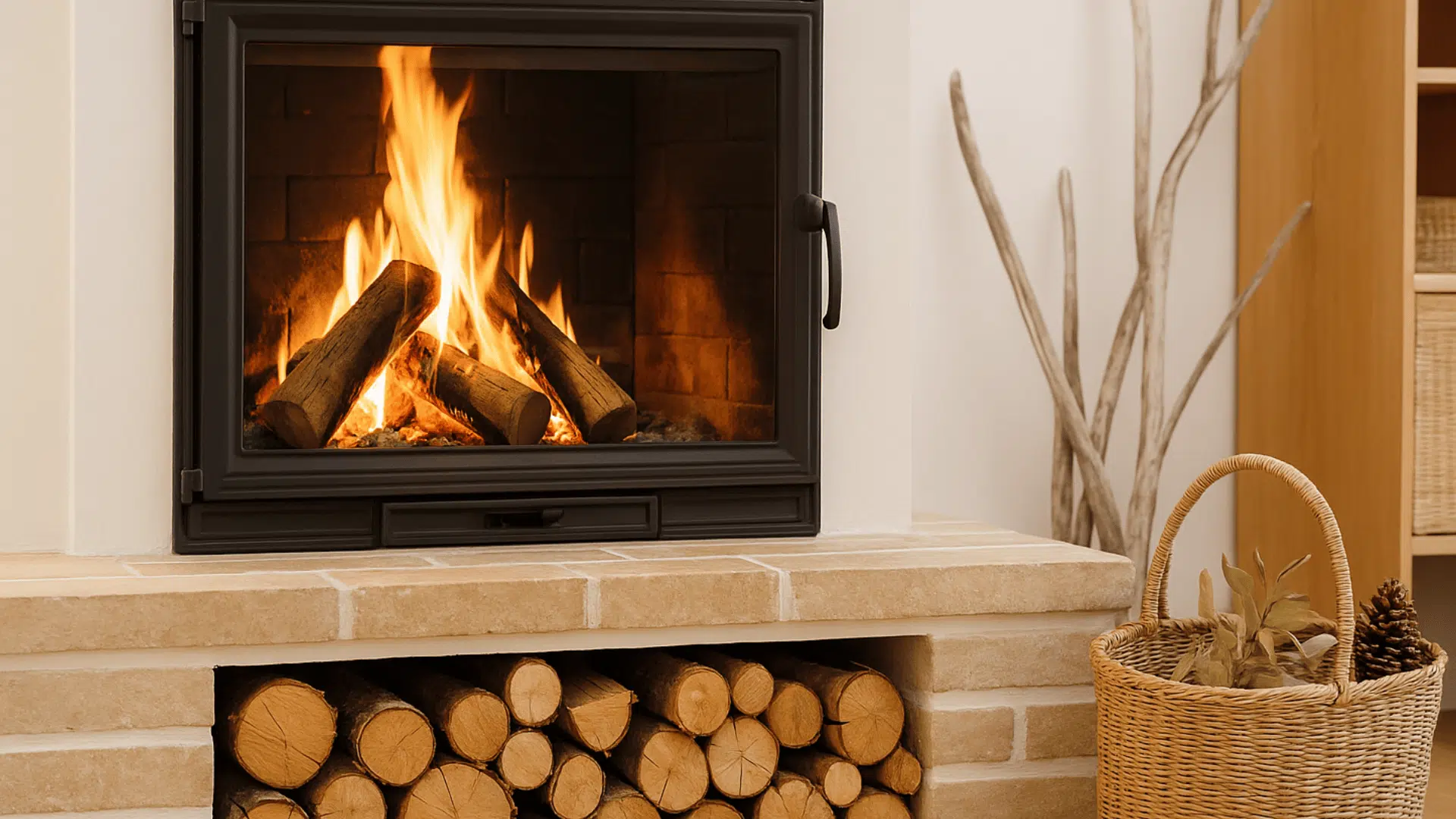
Choosing the right firewood can make or break your cozy evenings at home. The best wood for fireplace use isn’t just about what’s available; it’s about burn quality, heat output, and safety.
I’m going to help you figure out how to choose the best wood for burning in an indoor fireplace.
You’ll notice that well-seasoned wood generates the most heat, burns more cleanly, and helps keep your chimney in great shape.
What Makes a Wood Ideal for a Fireplace?
When I talk about the best wood for fireplace burning, it’s the wood that delivers high heat output, burns for extended periods, and produces minimal smoke and creosote buildup.
Safety matters too; you want wood that won’t spark excessively or damage your chimney over time.
The best wood to burn in fireplace settings is well-seasoned, dense hardwood. These varieties generate more BTUs per log and create less residue than their softer counterparts.
That said, softwoods aren’t entirely useless. I use them for kindling or when I need a quick fire, but they’re not ideal for keeping your home warm through long winter nights.
How Wood Type Affects Your Fireplace Performance?
Not all firewood burns the same way. The type of wood you choose directly impacts how much heat you get, how long it burns, and even your chimney’s health.
Hardwoods like oak and maple produce more heat and burn longer than softwoods like pine. They also create less creosote, that sticky, flammable buildup in your chimney that can cause fires.
Softwoods light and burn more quickly, producing more smoke. Choosing the right wood means better warmth, safer fires, and less chimney cleaning. It’s worth knowing the difference.
Best Types of Wood for Your Fireplace
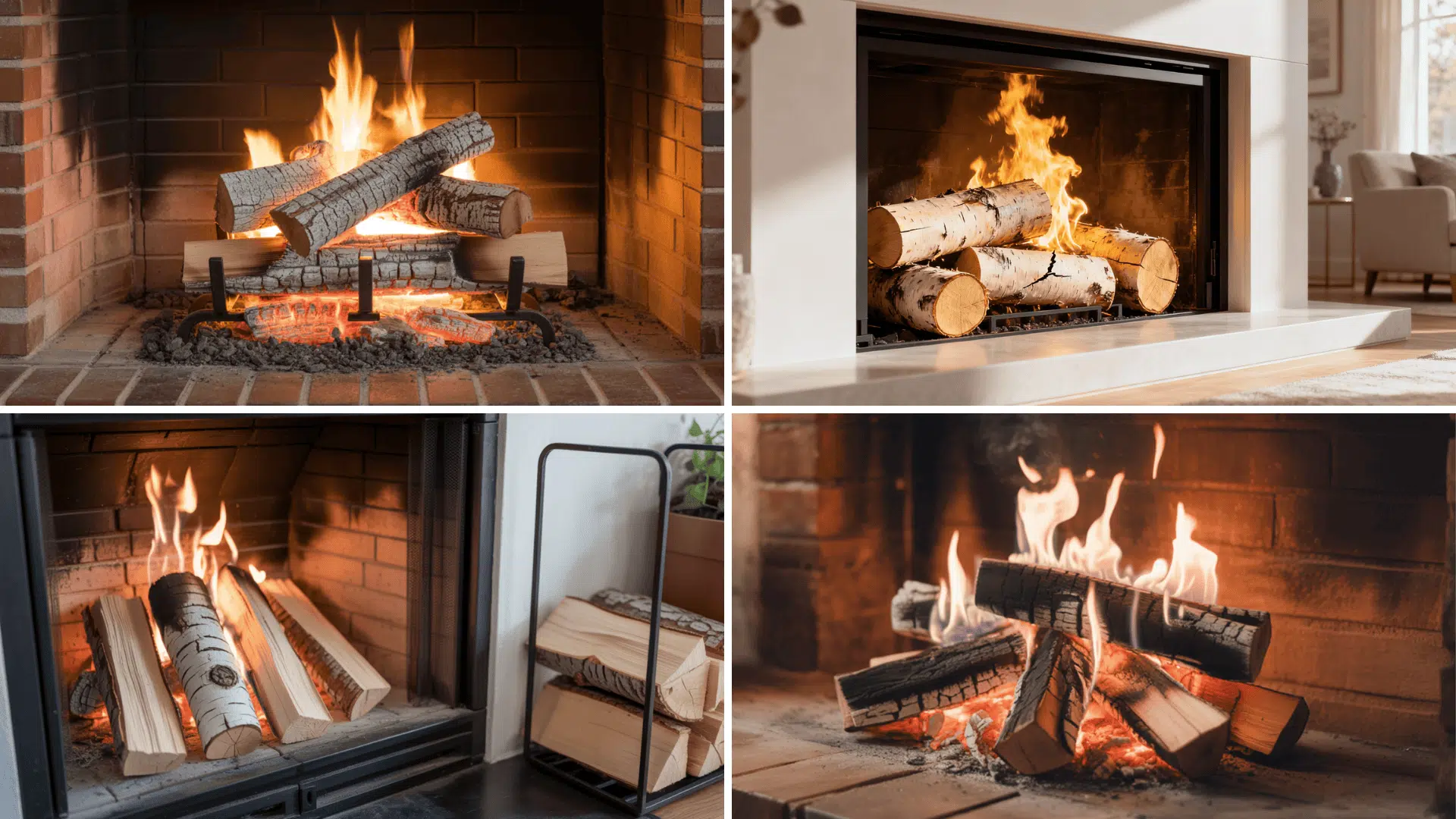
Here are some of the top recommended wood species for burning in your fireplace. Each offers unique benefits, but all qualify as contenders for the best wood for fireplace use when properly seasoned.
1. Oak
Oak is the gold standard among firewoods. Its exceptional density delivers high heat output and impressively long burn times, making it perfect for cold winter nights.
It is usually recommended to season oak for at least a year, sometimes two, since its density means it holds moisture longer than other hardwoods. Once ready, it’s unbeatable.
2. Hickory
Hickory ranks among the hottest burning woods available. It produces intense, long-lasting heat that’s ideal for overnight fires when you don’t want to wake up to a cold house.
Splitting hickory can be challenging due to its toughness, but the payoff in BTUs makes the extra effort worthwhile. It’s a top choice when maximum warmth is your priority.
3. Maple
Maple strikes an excellent balance between heat output and user-friendliness. It splits more easily than oak or hickory and burns fairly clean with good heat production.
Both hard maple and sugar maple work wonderfully. I find it seasons faster than oak, usually within 6-12 months, making it more accessible for newer wood burners.
4. Ash
Ash is remarkably user-friendly and forgiving. It splits easily, ignites reliably, and burns well even if not fully seasoned (though properly seasoned wood still produces better results).
The wood’s low moisture content when green makes it popular among those who can’t wait a full year. It’s one of the most practical choices for beginners.
5. Beech
Beech is a high-quality hardwood with burn characteristics similar to those of oak. It produces excellent heat and maintains a steady burn throughout the evening.
Seasoning takes about a year, and splitting can be moderate to difficult depending on the grain. The results justify the wait; beech creates beautiful, long-lasting coals.
6. Cherry
Cherry offers more than just warmth; it provides a feeling. The wood burns clean, produces a pleasant sweet aroma, and generates medium heat output.
While not the best option, it’s perfect for cozy evening fires when comfort matters more than maximum BTUs.
7. Cedar
Cedar is technically a softwood, but it deserves mention for its aromatic qualities and quick ignition. The pleasant scent can make your home smell wonderful.
Cedar burns too fast and creates excess creosote, so skip it as your main fuel. Choose wood based on your needs: oak and hickory for long-lasting heat, maple and ash for balanced performance. Always consider what’s available locally.
Woods to Avoid for a Fireplace
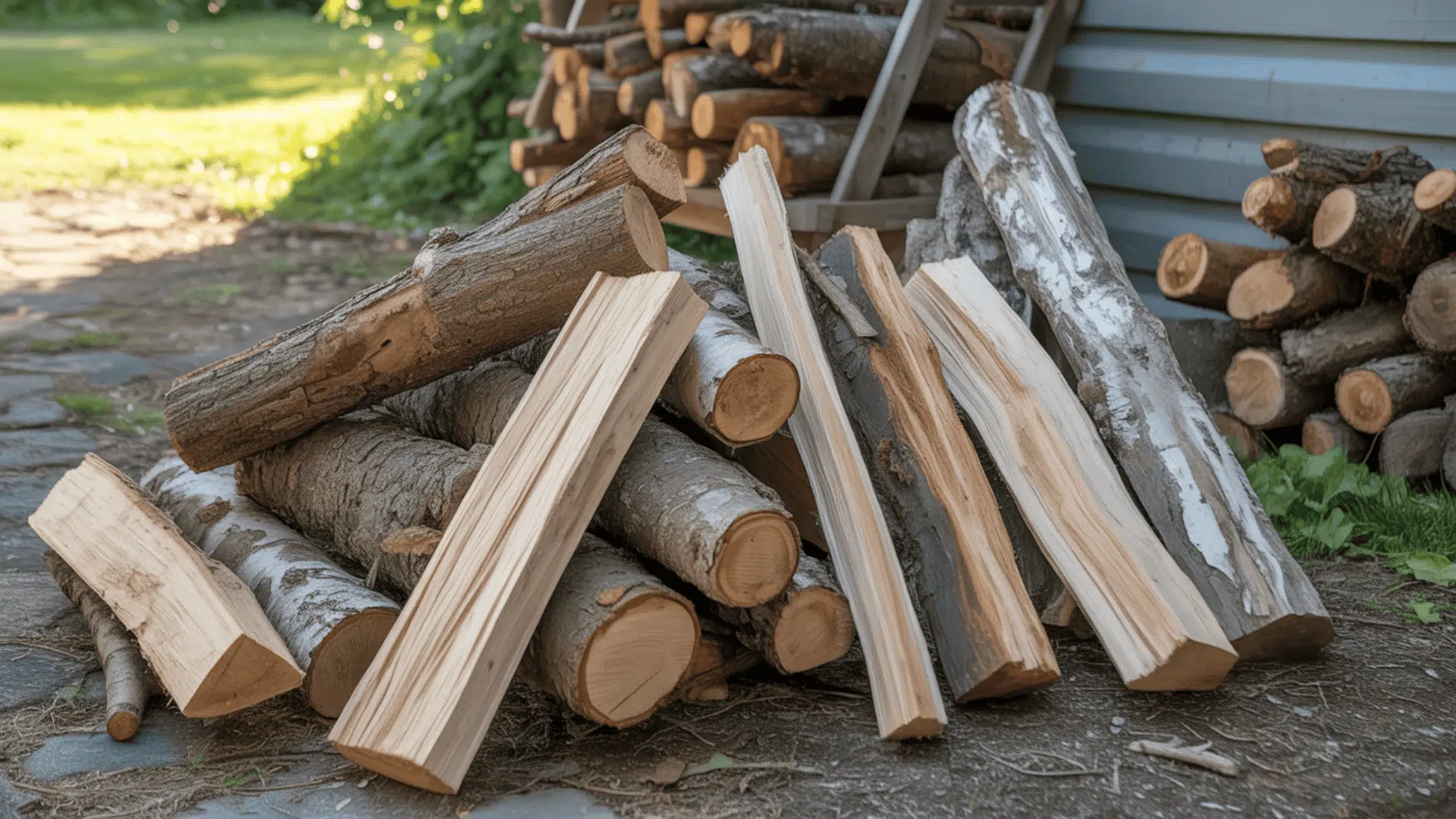
Not all wood is safe or efficient for your fireplace. Burning the wrong type can waste heat, create dangerous creosote buildup, and release harmful chemicals into your home.
- Green or unseasoned wood: Contains too much moisture, producing excessive smoke, minimal heat, and heavy creosote deposits in your chimney.
- Softwoods (pine, fir, spruce): High resin content burns quickly and leaves sticky creosote, increasing fire hazards.
- Treated or painted wood: Releases toxic fumes when burned, making it dangerous for indoor use.
- Driftwood: Contains salt and chemicals that corrode your fireplace and produce harmful smoke.
Buying Firewood: What to Consider
When you’re choosing the best wood for fireplace use, buying smart makes all the difference. Whether you’re purchasing or cutting your own, focus on these essentials:
| FACTOR | WHAT TO LOOK FOR | |
|---|---|---|
| Seasoning / Moisture | Wood should be seasoned and under 20% moisture for clean burning | |
| Species | Go for dense hardwoods that burn longer and hotter | |
| Local Sourcing | Buy locally to cut transport costs and avoid pests | |
| Price & Quality | Balance affordability with burn efficiency; hardwood lasts longer | |
| Size & Splitting | Logs should fit your fireplace easily and split evenly | |
| Storage Readiness | Ensure wood is dry and properly stored before use |
Practical Firewood Storage Tipsfor Optimal Warmth
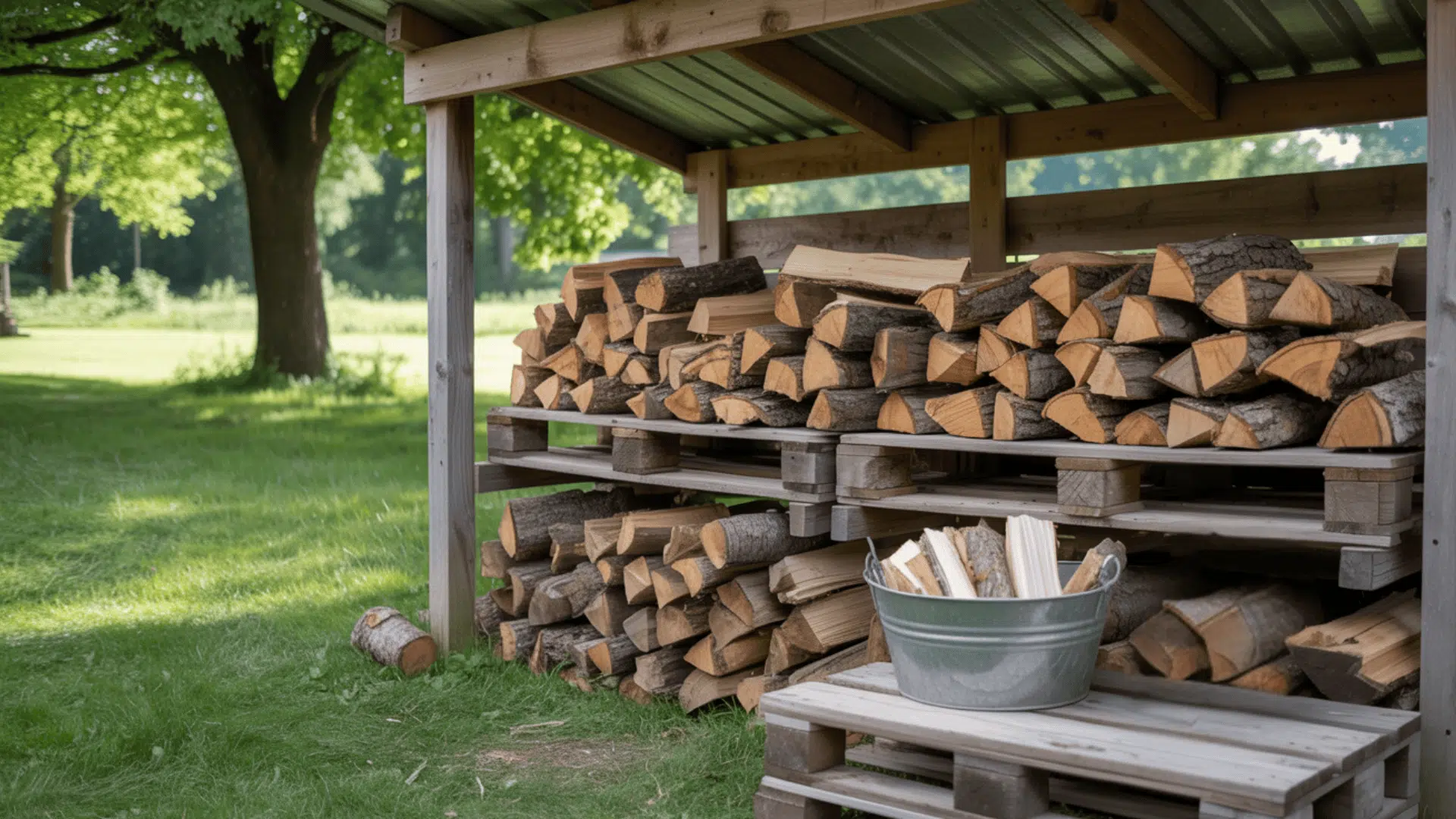
Even the best wood for fireplace burning will disappoint if you store it poorly. Damp wood smolders, creates excess smoke, and wastes your investment.
- Upraise your stack: Prevents ground moisture from seeping into your wood
- Cover only the top: Covering just the top with a tarp or metal sheet protects from rain while allowing crucial airflow through the sides to prevent mold
- Choose sunny, dry locations: Position the stack in a sunny spot away from the house to discourage pests and speed natural seasoning
- Rotate your stock: Using older wood first ensures nothing sits too long and degrades
- Check moisture content: Properly seasoned wood feels light, shows cracked ends, and registers below 20% on a moisture meter
- Store kindling separately: Keeping kindling separate makes fire starting infinitely easier
Wrapping Up
Choosing the best wood for fireplace burning doesn’t have to be complicated. I’ve covered everything you need to know about hardwoods like oak and maple, plus tips for proper seasoning and storage.
Remember, well-seasoned hardwood burns longer, produces more heat, and creates less creosote buildup in your chimney.
Start by sourcing local hardwood, let it dry for at least six months, and store it in a covered area with good airflow.
Your family will enjoy cozy, efficient fires all winter long; so check with local suppliers for seasoned hardwood today, and share your favorite firewood picks in the comments!