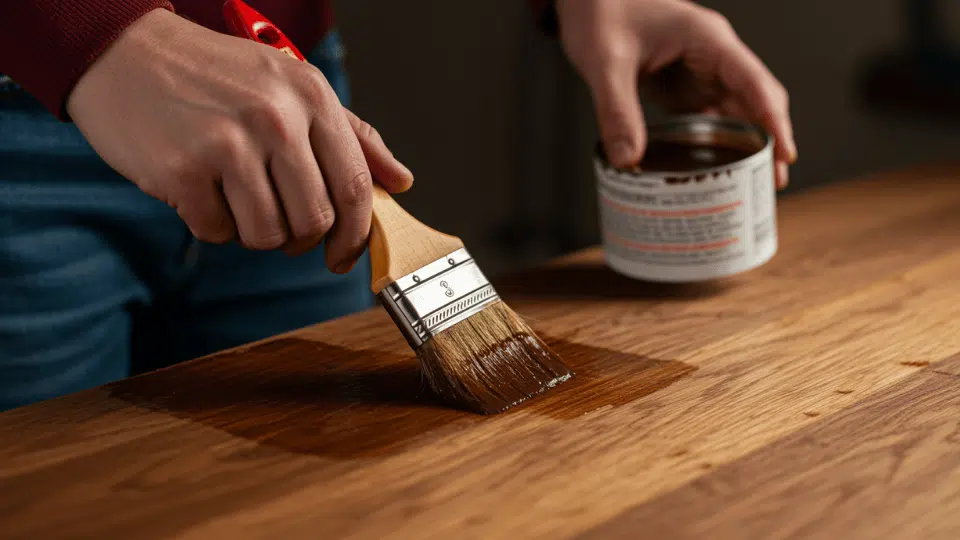
Understanding how long wood stain takes to dry is essential for the success of any woodworking project. Rushing the process can ruin hours of careful preparation, while waiting too long wastes valuable time.
Drying times vary significantly based on stain type, wood species, and environmental conditions, making it crucial to know what to expect before starting.
From humidity control to proper ventilation techniques, these practical solutions help achieve professional results efficiently.
Knowing a stain’s drying time and applying effective strategies make the wait smoother, periods into predictable, manageable timeframes that keep projects on schedule.
How Long Does Wood Stain Take to Dry: The Exact Answer
Planning your staining schedule requires understanding two critical stages: surface-dry and recoat-ready.
The surface may feel dry within hours, creating a false sense of completion that tempts many DIYers to move forward prematurely.
This mistake leads to smudged finishes, poor topcoat adhesion, and wasted effort. Actual readiness for the next step demands patience beyond what your fingertips suggest.
Professional woodworkers follow the 24-hour rule as their minimum waiting period before applying sealers, regardless of surface feel.
Some projects benefit from 48-72 hour curing windows, especially when working with challenging materials or unfavorable conditions.
Factors That Affect Drying Time
Multiple variables determine how long wood stain takes to dry, each influencing the timeline in distinct ways.
- Temperature and Humidity: Ideal drying occurs between 70-80°F with humidity below 50%; higher humidity significantly slows evaporation. Cold temperatures under 50°F can extend drying times by several hours.
- Type of Stain: Water-based stains dry fastest, at 1-2 hours, while oil-based formulas require 4-6 hours. Gel stains have a thicker consistency that requires longer drying times than traditional liquid varieties.
- Wood Species: Porous softwoods like pine absorb stain quickly and dry faster than dense hardwoods. Tight-grained species such as maple and cherry retain moisture longer, extending overall drying time.
- Thickness of Application: Thin, even coats dry substantially faster than heavy, saturated applications. Excess stain pooling on surfaces can double the time required to cure correctly.
- Ventilation and Airflow: Proper airflow accelerates solvent evaporation and significantly reduces drying time. Stagnant environments trap moisture, considerably delaying the curing process.
Drying Times by Stain Type
Different stain formulations have distinct drying characteristics that directly impact project timelines and application techniques.
1. Oil-Based Stain
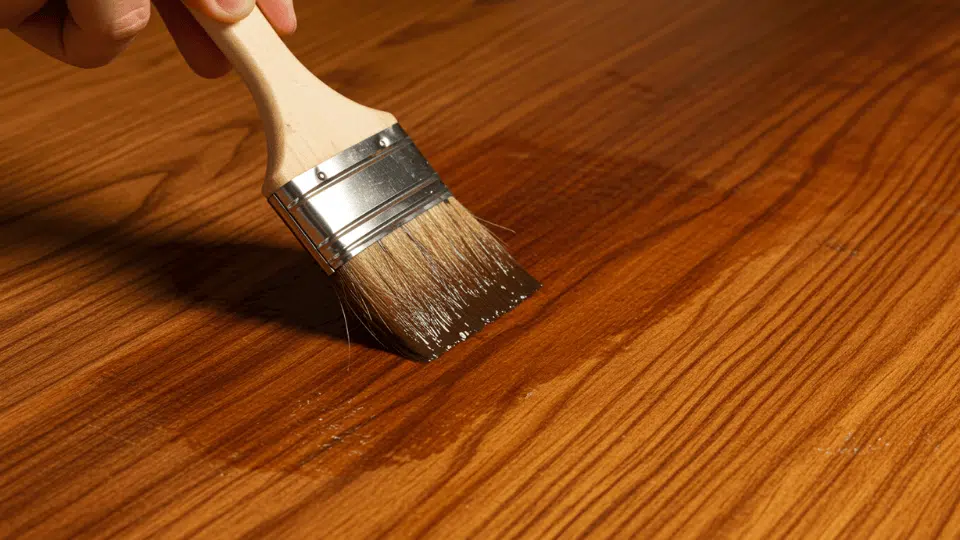
Oil-based stains penetrate deeply into wood fibers, creating rich color and durability but requiring extended drying periods. These traditional formulas rely on slow solvent evaporation, making patience essential for quality results.
- Touch-Dry Time: 4-6 hours under optimal conditions
- Recoat Time: 8-12 hours between applications
- Complete Cure: 24-48 hours before topcoat application
- Complete Hardness: 7-10 days for maximum durability
2. Water-Based Stain
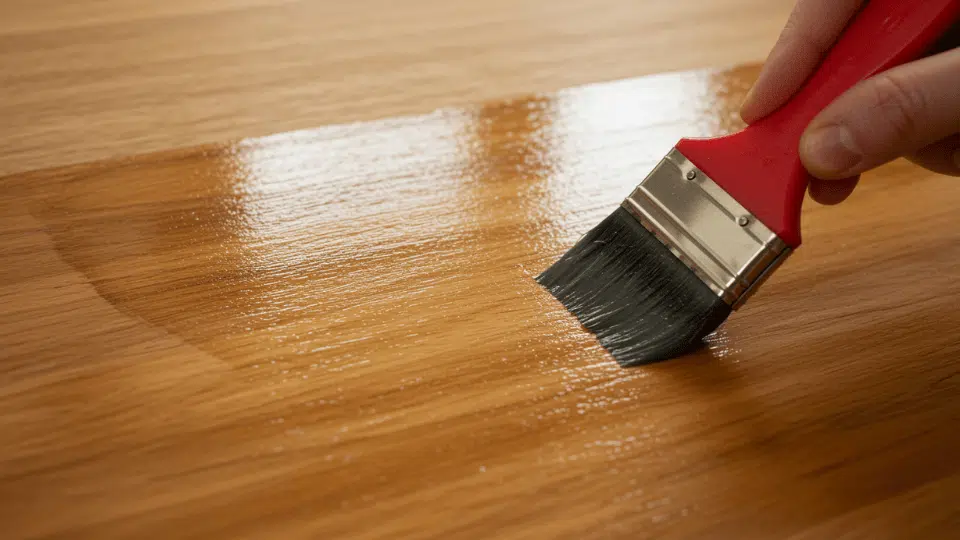
Water-based stains offer the fastest drying times and lowest odor, making them ideal for indoor projects with tight schedules. Their quick evaporation allows multiple coats in a single day.
- Touch-Dry Time: 1-2 hours in normal conditions
- Recoat Time: 2-4 hours between applications
- Complete Cure: 12-24 hours before topcoat application
- Complete Hardness: 3-5 days for full strength
3. Gel Stain
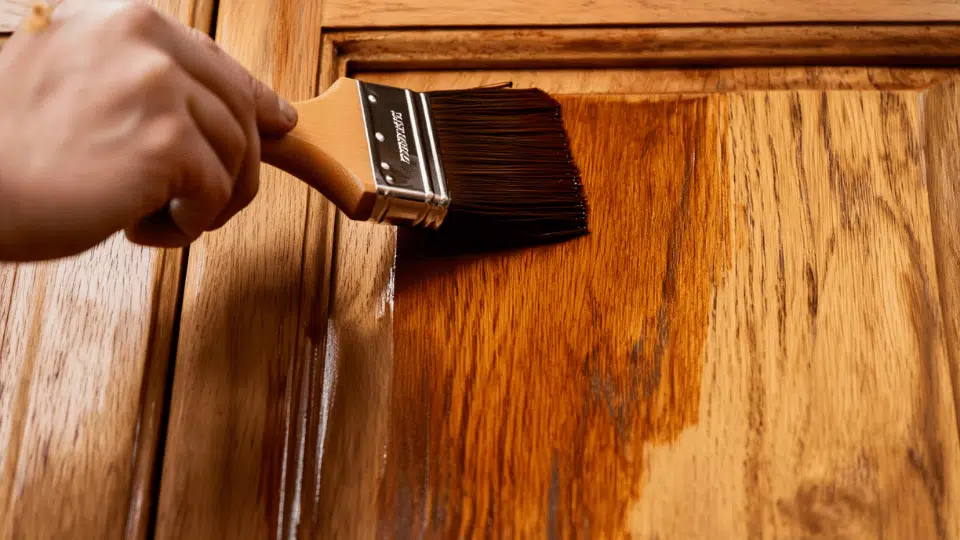
Gel stains feature a thick consistency that sits on wood surfaces rather than penetrating deeply, creating uniform color on blotchy woods. Their heavy body extends drying requirements beyond traditional liquid stains.
- Touch-Dry Time: 8-12 hours minimum
- Recoat Time: 24 hours between applications
- Complete Cure: 48-72 hours before topcoat application
- Complete Hardness: 10-14 days for complete curing
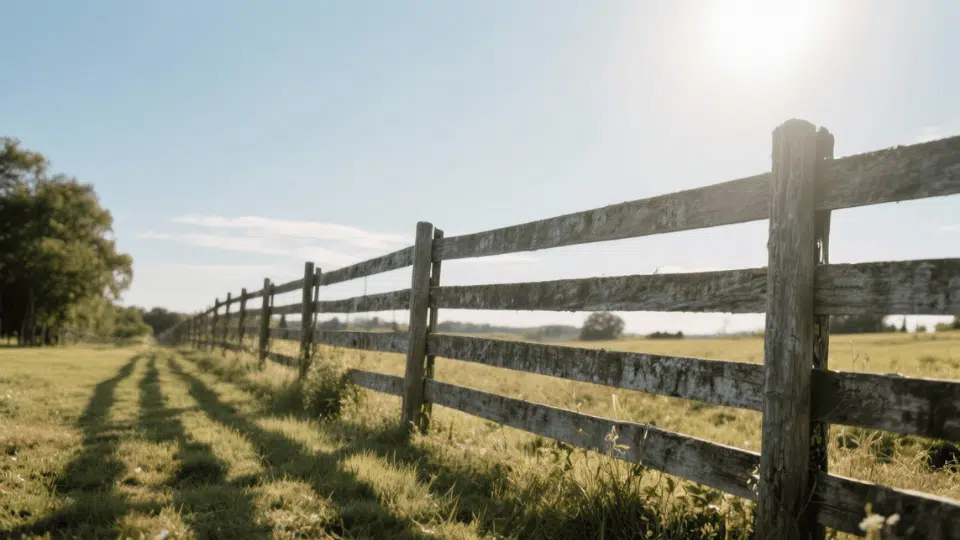
4. Exterior Deck and Fence Stain
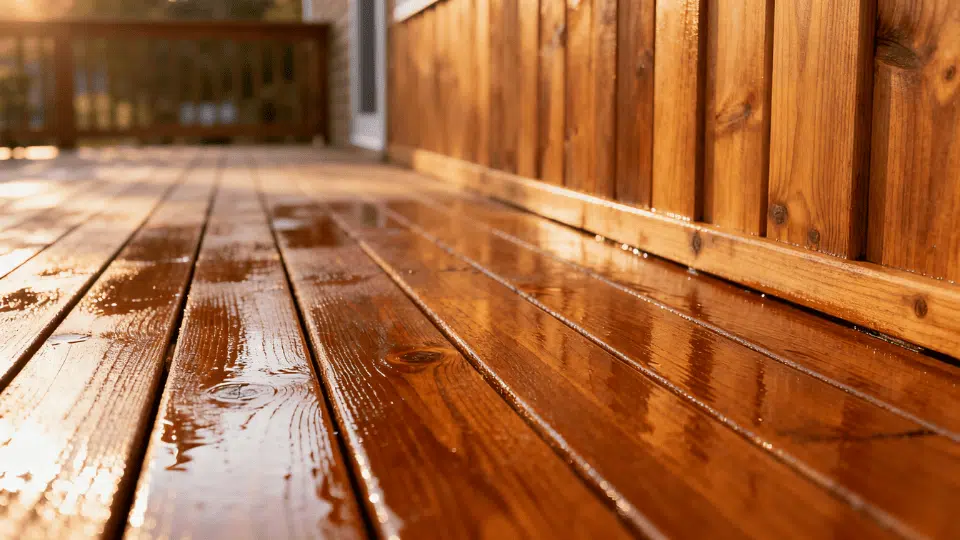
Exterior stains contain added weather-resistant properties and UV inhibitors that affect drying chemistry. These formulas balance quick surface drying with deep penetration for lasting outdoor protection.
- Touch-Dry Time: 4-8 hours, depending on formula
- Recoat Time: 12-24 hours between applications
- Complete Cure: 48-72 hours before rain contact
- Complete Hardness: 7-14 days for full weather resistance
Why is Wood Stain Not Drying?
Several common issues prevent wood stain from drying properly, but most can be resolved with straightforward corrections.
| Problem | Why It Happens | Quick Fix |
|---|---|---|
| Thick or Excess Application | Heavy stain layers trap solvents underneath the surface, preventing proper evaporation. | Wipe off excess immediately with clean rags; apply thinner, even coats next time. |
| Cold or Humid Conditions | Temperatures below 50°F or humidity above 70% dramatically slow chemical evaporation. | Move the project to a warmer, drier location; use space heaters and dehumidifiers. |
| Oily or Resinous Wood | Natural oils in pine, cedar, and exotic woods repel stain absorption and inhibit drying. | Sand surfaces thoroughly; wipe with mineral spirits before staining to remove residue. |
| Wrong Stain Formula | Using interior stain outdoors or mixing incompatible products creates drying failures. | Match stain type to project requirements; never combine oil-based and water-based formulas. |
| Old or Poorly Mixed Product | Expired stain or separated formulas lose effectiveness and won’t cure properly. | Shake cans vigorously before use; discard products past their shelf life or showing signs of spoilage. |
Signs of Fully Dried Wood Stain
Determining when wood stain has thoroughly dried requires multiple assessment methods, as surface feel alone can be misleading and premature handling risks ruining the finish.
1. Touch Test
Lightly press a fingertip against an inconspicuous area of the stained surface. Fully dry stain feels firm and calm, with no transfer to skin or tackiness.
If the surface feels warm or soft, or leaves residue on the fingers, additional drying time is necessary. Test multiple spots since edges typically dry faster than centers or recessed areas.
2. Smell Test
Fresh stain emits strong solvent odors that gradually diminish as drying progresses. When the characteristic chemical smell has nearly disappeared, and only a faint scent remains, the stain has likely cured sufficiently.
Oil-based stains retain odor longer than water-based formulas, so consider stain type when evaluating. Strong lingering smell indicates ongoing evaporation and incomplete drying.
3. Tackiness or Surface Feel
Gently run your palm over the stained wood without applying pressure. Properly dried stain feels smooth and non-sticky, allowing hands to glide freely without resistance.
Any pulling sensation, stickiness, or drag indicates the surface hasn’t cured completely.
Tackiness means solvents remain trapped, requiring more evaporation time before proceeding with topcoats or handling.
4. Visual Appearance Signs
Wet stain appears glossy with visible sheen and slight color variation across surfaces. As drying completes, the finish becomes uniformly matte with consistent color throughout all areas.
Watch for dark spots or uneven patches that suggest moisture retention.
Fully cured stain shows no color changes when viewed from different angles and maintains a stable appearance under lighting variations.
How to Speed Up Wood Stain Drying?
Several proven techniques can significantly reduce drying time without compromising stain quality or finish durability.
| Method | How It Works | Application Tips |
|---|---|---|
| Improve Ventilation | Increases air circulation across surfaces, accelerating solvent evaporation significantly | Open windows and doors; position fans to move air directly across stained wood surfaces |
| Increase Temperature Safely | Warmer air speeds up chemical reactions and evaporation processes throughout the wood | Maintain 70-80°F using space heaters; avoid directing heat sources directly onto wet stain |
| Use Fast-Drying Stains | Water-based formulas dry 2-3 times faster than traditional oil-based options | Choose water-based or quick-dry products when working with tight project deadlines |
| Apply Thinner Coats | Reduces total solvent volume requiring evaporation, cutting drying time substantially | Wipe excess stain after 5-10 minutes; build desired color depth with multiple thin layers |
| Reduce Humidity Indoors | Lower moisture levels in the air allow faster evaporation rates from stained surfaces | Run dehumidifiers continuously to maintain indoor humidity levels below 50% during drying |
Outdoor Weather Timing Tips
Successful outdoor staining requires careful attention to weather conditions and strategic timing to prevent moisture damage and ensure proper curing.
- Apply stain between 10 AM and 2 PM, when temperatures stabilize, and dew has evaporated. Ensure at least 4-6 hours of dry conditions before nightfall for initial drying.
- Target 50-90°F temperatures and humidity below 50%. Check forecasts for 48-72 hours of dry weather, as rain during this window ruins uncured stain.
- If rain hits before 24 hours, let surfaces dry for 48 hours before assessing damage. Light rain may only affect appearance; heavy rain requires re-sanding and restaining.
- Spring and fall provide ideal staining conditions with moderate temperatures and lower humidity. Summer heat accelerates drying but risks lap marks; avoid winter temperatures below 50°F for exterior work.
Wrapping It Up
Understanding how long wood stain takes to dry turns frustrating guesswork into predictable project management.
Implementing proper techniques, such as maintaining ideal temperatures, improving airflow, and applying thin coats, prevents common drying problems and safely accelerates timelines.
Remember that how long a stain takes to dry varies by project, but following these guidelines ensures professional results without premature handling or weather damage that compromises hours of careful work.