
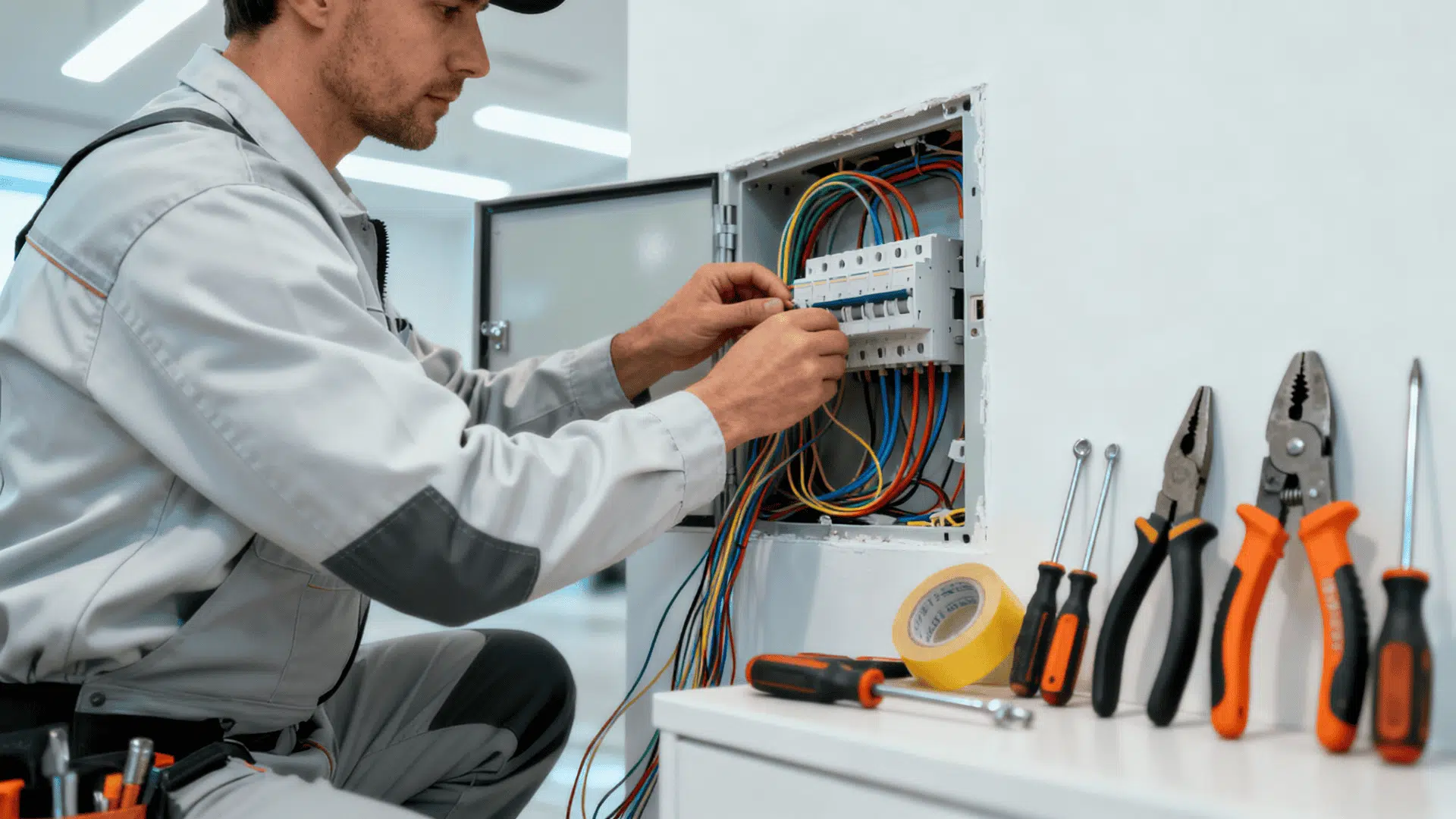
Most people don’t think about the wiring behind their walls until something goes wrong. A breaker trips during dinner, or an outlet stops working for no clear reason.
Homes built a few decades ago weren’t designed for the number of devices we use today, and outdated wiring can pose a safety hazard.
Electrical rewiring brings the system up to current standards and handles modern electrical needs. We’ll cover what rewiring involves, how much it costs to rewire a house, and when it’s actually necessary.
Factors That Affect Rewiring Costs
The cost to rewire a house varies from one person the another. Several factors come into play, from the size of the property to the accessibility of the wiring.
- Home Size: Larger homes need more wiring and labor hours. A 3,000-square-foot house takes longer than a small apartment.
- Age of The Property: Older homes may have outdated systems requiring extra work. Knob-and-tube wiring needs to be completely removed before starting fresh.
- Accessibility: Finished walls cost more to work with than open framing. Electricians charge more when they have to cut into drywall and patch it afterward.
- Permit Fees: Local regulations require inspections and approvals. These fees vary depending on the homeis location.
- Electrical Panel Upgrades: Older panels often need replacement during a rewiring project. Modern homes typically need 200-amp service to handle current electrical demands.
- Material Quality and Specifications: Choices in wiring material (copper is safer but costlier than aluminum), new outlets, switches, and the main panel affect expenses
- Additional Safety Features: Installing modern safety devices, such as GFCI (Ground Fault Circuit Interrupter) and AFCI (Arc Fault Circuit Interrupter) outlets, raises costs but ensures code compliance.
- Smart Home Integration: Adding smart switches, dimmers, or home automation requires additional wiring, which increases material and labor costs.
- Number of Circuits: More circuits are needed for high-power appliances, home offices, EV chargers, or expanded lighting systems, increasing wiring and installation costs.
- Location and Labor Rates: Labor costs vary by region, with metropolitan areas often charging more than rural areas.
Checklist: Signs Your House Needs Rewiring
Before costly repairs or dangerous incidents occur, it’s crucial to recognize early warning signs that your home’s electrical system may be outdated or failing.
Use this quick checklist to identify if your house needs rewiring to keep your family safe and your power reliable.
⬜ Frequent blown fuses or tripped breakers
⬜ Flickering, dimming, or pulsing lights
⬜ Warm, hot, or discolored outlets or switches
⬜ Burning smells near electrical fixtures
⬜ Buzzing or crackling sounds from outlets or panels
⬜ Visible sparks or arcs when plugging/unplugging
⬜ Electrical shocks from switches or outlets
⬜ Loose or unstable outlets and switches
⬜ Bulbs burning out fast or overheating sockets
⬜ Older two-prong (ungrounded) outlets
⬜ Presence of knob-and-tube or aluminum wiring
⬜ Smoke stains or scorch marks on electrical parts
⬜ Heavy reliance on extension cords or power strips
⬜ Regular breaker trips under normal use
⬜ Home older than 40 years without upgrades
⬜ Electrical issues are increasing with renovations or new appliances
How Much Does It Cost to Rewire a House?
Rewiring a house is a major investment, but understanding the costs upfront can save surprises down the line.
From small apartments to sprawling homes, learn what typical rewiring projects cost and the key factors that push prices up or down.
Typical Price Ranges:
- Small Homes (under 1,000 sq ft): $1,500 to $3,00
- Medium Homes (1,000-2,000 sq ft): $3,500 to $6,000
- Large Homes (over 2,000 sq ft): $6,000 to $10,000+
These figures cover basic rewiring but don’t include major panel upgrades or structural repairs. Getting quotes from licensed electricians provides a more accurate picture of specific needs.
How Long Does Electrical Rewiring Take?
The timeline for electrical rewiring varies based on home size and complexity. A small apartment might wrap up in a few days, while larger homes can take two weeks or more.
| Home Size | Estimated Timeline |
|---|---|
| Small (under 1,000 sq ft) | 3-5 days |
| Medium (1,000-2,000 sq ft) | 5-10 days |
| Large (2,000-3,000 sq ft) | 10-14 days |
| Very Large (over 3,000 sq ft) | 2-3 weeks |
Step-by-Step Process of Electrical Rewiring
Electrical rewiring might seem complicated, but it follows a clear sequence. Professional electricians work through specific stages to ensure the job meets safety codes and functions properly.
Knowing what happens at each step helps people understand the timeline and what to expect during the project.
Step 1: Initial Inspection and Planning
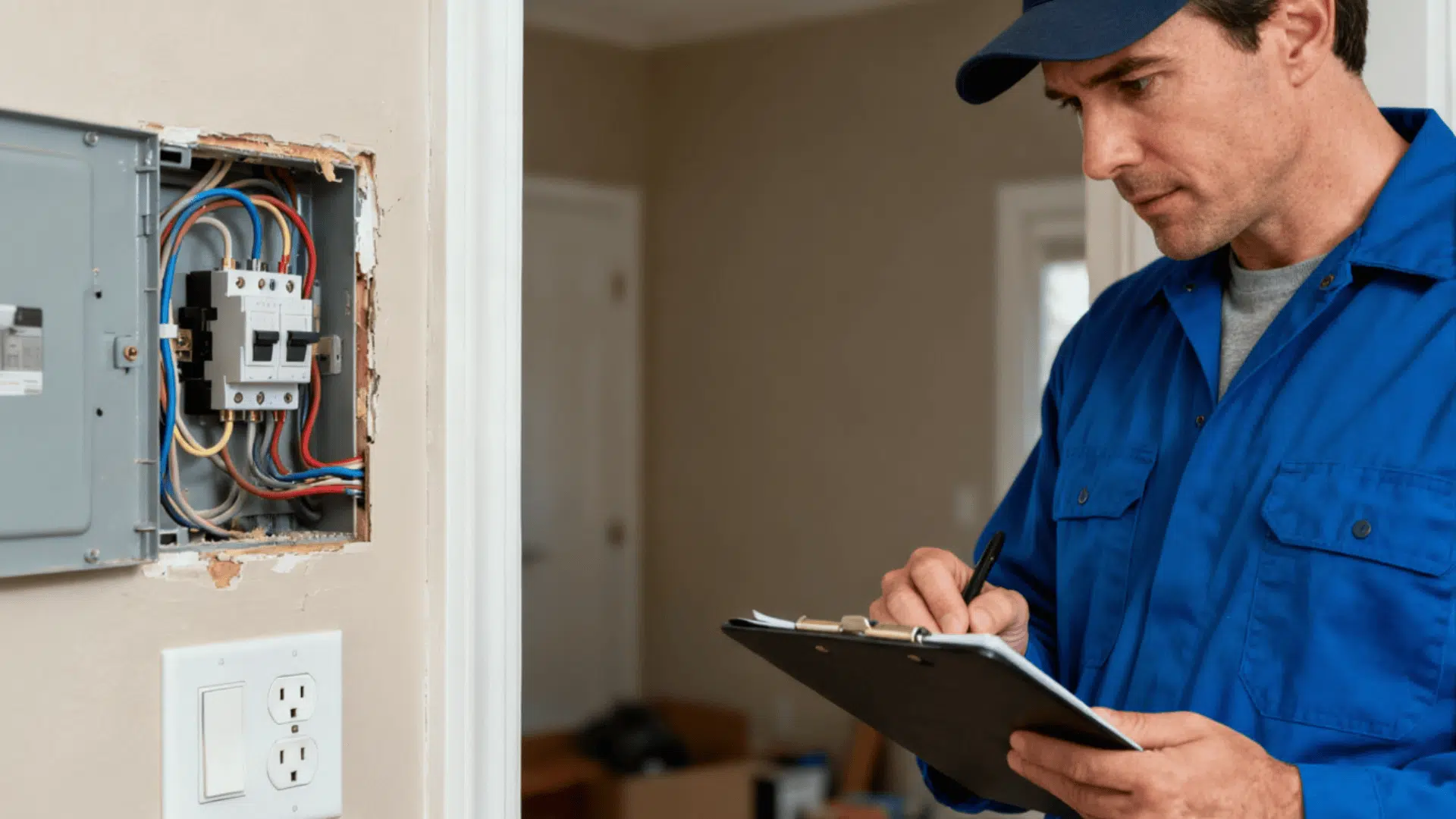
An electrician starts by assessing the current system and identifying problem areas. They check the panel, outlets, and existing wiring to determine what needs to be replaced.
This inspection helps create a detailed plan and an accurate cost estimate for the upcoming rewiring work. The electrician also notes any code violations that need to be addressed during the upgrade.
Step 2: Obtaining Permits

Local building departments require permits before any electrical rewiring begins.
The electrician submits plans and waits for approval, which can take a few days to a couple of weeks, depending on the area.
Skipping this step can lead to fines and issues when selling the home later. Permit costs typically range from $50 to $300 based on location and project scope.
Step 3: Removing Old Wiring
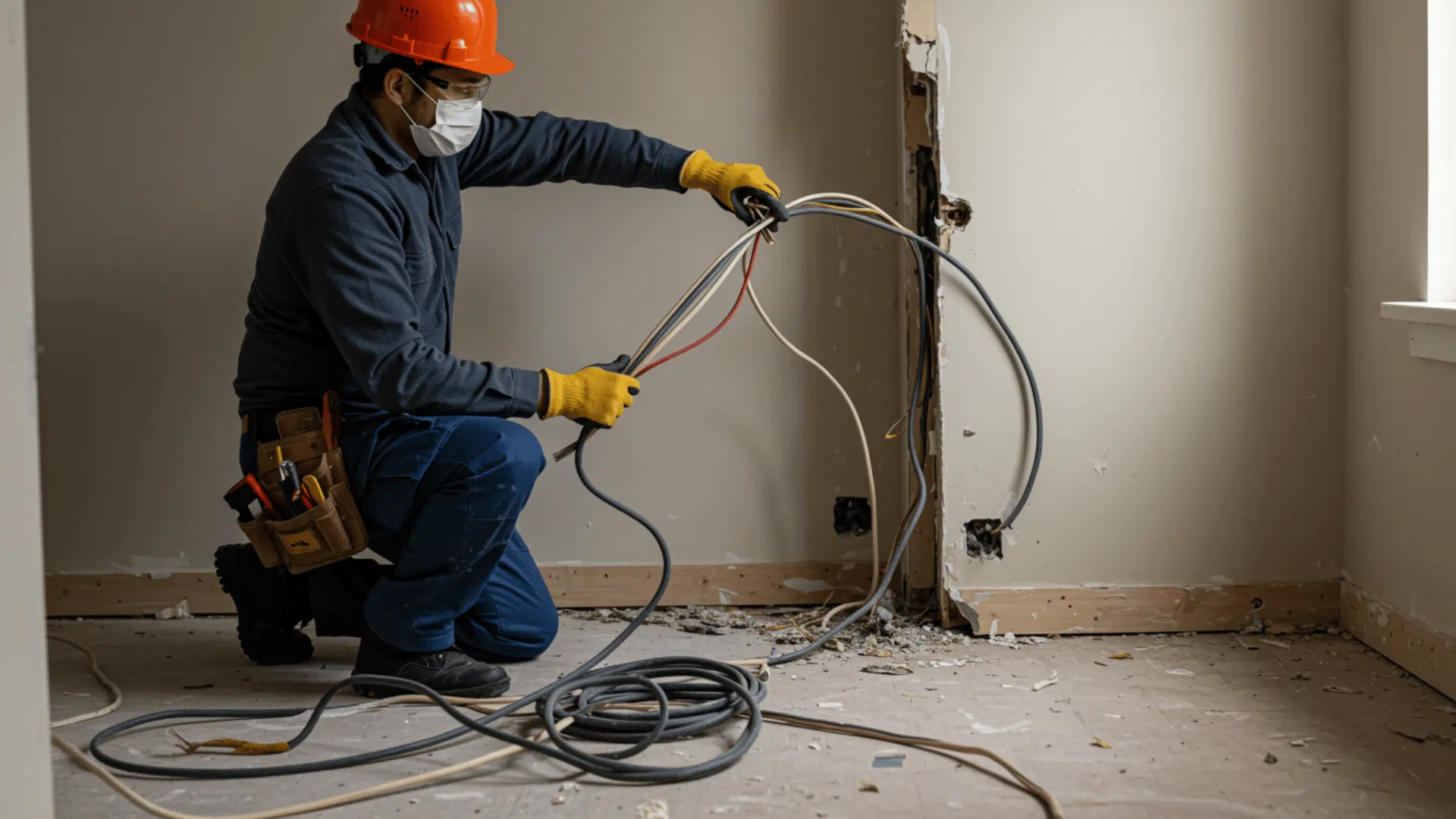
Once permits are approved, electricians strip out outdated or damaged wiring. They work room by room, pulling old cables through walls and ceilings.
This stage can get messy, especially in homes with finished walls that need to be opened to access the wiring pathways.
Furniture and belongings may need to be moved to protect them from dust and debris.
Step 4: Installing New Wiring and Components
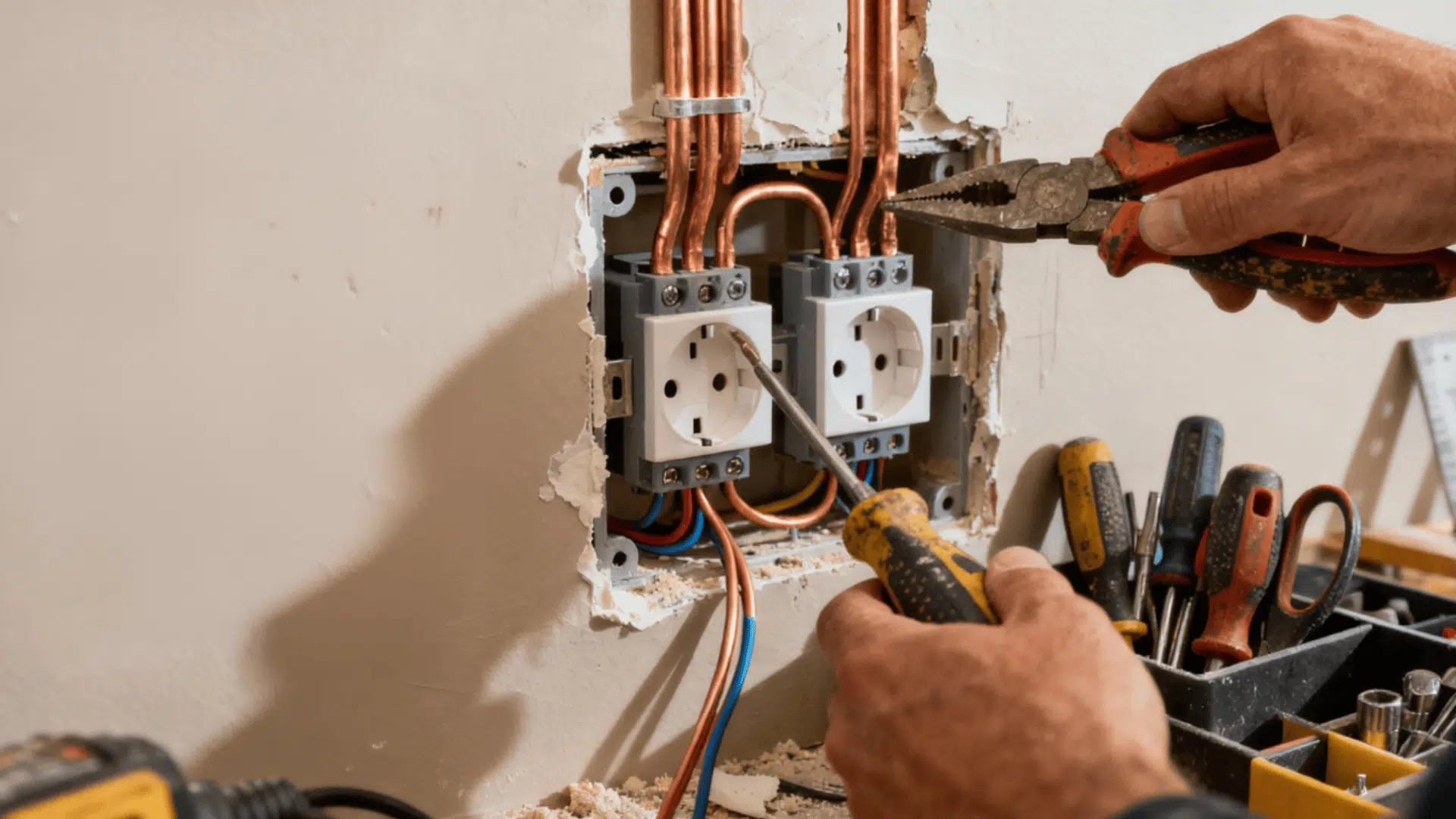
New cables run through the walls in accordance with current electrical codes. Electricians install updated outlets, switches, and junction boxes throughout the house.
They also upgrade the electrical panel, if needed, to meet modern power demands and ensure everything connects properly and safely. All new wiring uses copper conductors with proper grounding for maximum safety.
Step 5: Testing and Final Inspection
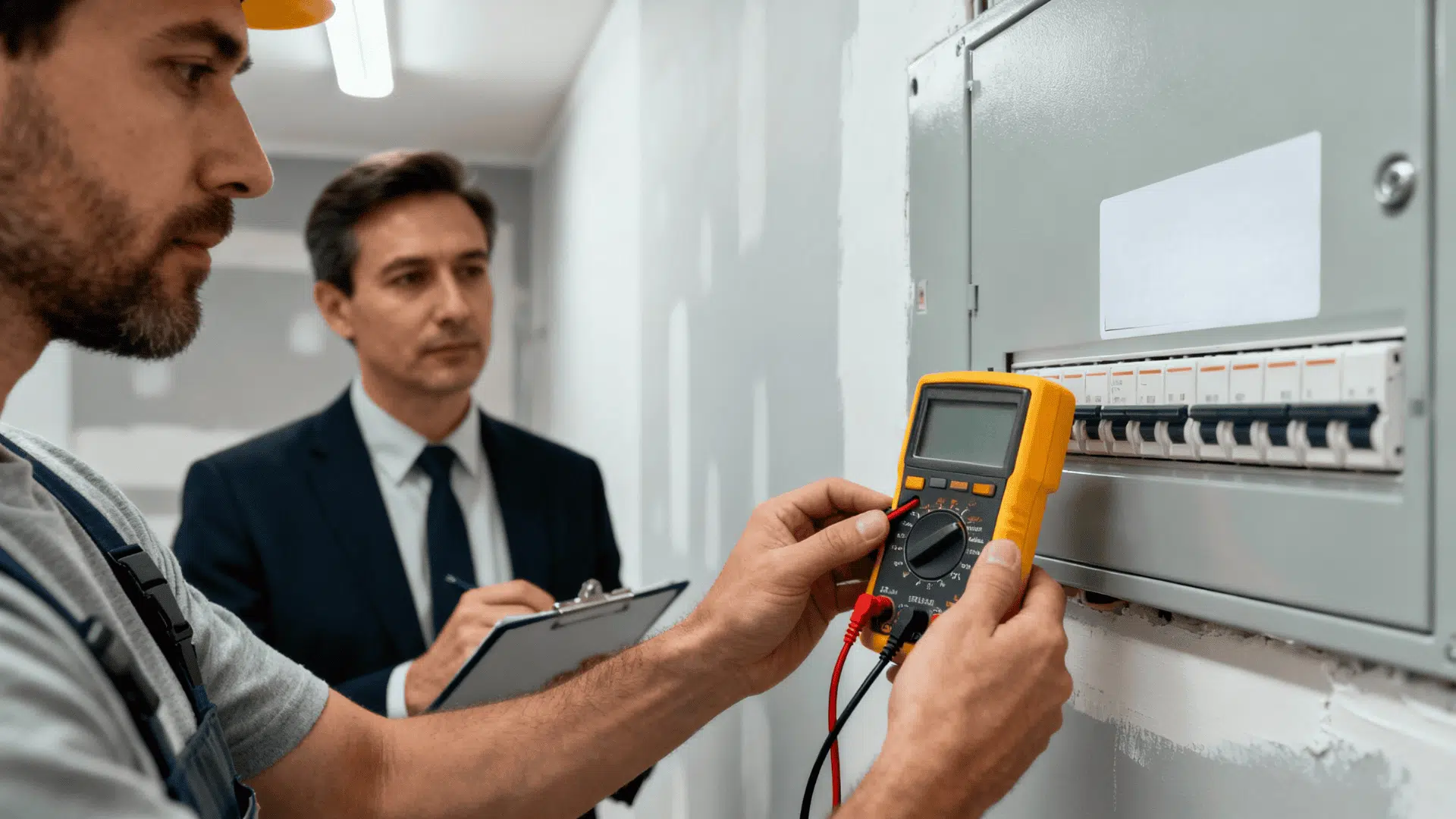
After installation, electricians test every circuit, outlet, and switch to confirm proper function. A building inspector reviews the work to verify it meets code requirements.
Once approved, walls get patched up, and the electrical system is ready for everyday use without safety concerns. The inspector provides documentation that proves the work was completed to standard.
The entire electrical rewiring timeline typically runs between one and two weeks for most homes.
While it temporarily disrupts daily routines, the result is a safer, more reliable electrical system. Understanding the cost to rewire a house and the steps involved makes the whole experience less stressful and more manageable.
DIY Vs Professional Electrical Rewiring
Some people consider tackling electrical rewiring themselves to save money. While DIY projects work for minor tasks, rewiring an entire house is different.
| Aspect | DIY | Professional |
|---|---|---|
| Cost | Lower upfront, but potentially costly mistakes | Higher but includes warranties and insurance |
| Safety | High risk without proper training | Licensed electricians follow safety protocols |
| Code Compliance | Easy to miss requirements | Ensures all work meets local codes |
| Time | Weeks or months for the inexperienced | Completed efficiently within days |
| Permits | The people are responsible for all paperwork | An electrician handles permits and inspections |
Ways to Save Money on House Rewiring
The cost to rewire a house can add up quickly, but there are ways to keep expenses manageable. Smart planning and a few strategic choices help reduce the final bill without cutting corners on safety or quality.
- Get Multiple Quotes: Compare at least three licensed electricians to find competitive pricing and avoid overpaying for the same work.
- Schedule During The Off-Season: Electricians often charge less during slower months, such as late fall or winter, when demand drops.
- Do Prep Work Yourself: Clear furniture, remove wall decorations, and provide easy access to work areas before the crew arrives.
- Rewire in Phases: Focus on critical areas first and spread the remaining work over time if the budget is tight.
- Skip Unnecessary Upgrades: Stick to essential rewiring rather than adding extra outlets or features that can wait for later.
The Bottom Line
Outdated electrical systems pose real risks that shouldn’t be ignored. Electrical rewiring addresses safety concerns while upgrading a home’s capacity to handle modern power needs.
The process involves clear steps, from inspection to final approval, and costs vary based on home size and complexity. Professional electricians bring expertise that ensures code compliance and long-term reliability.
While the upfront cost might seem significant, the investment protects property value and provides lasting peace of mind.