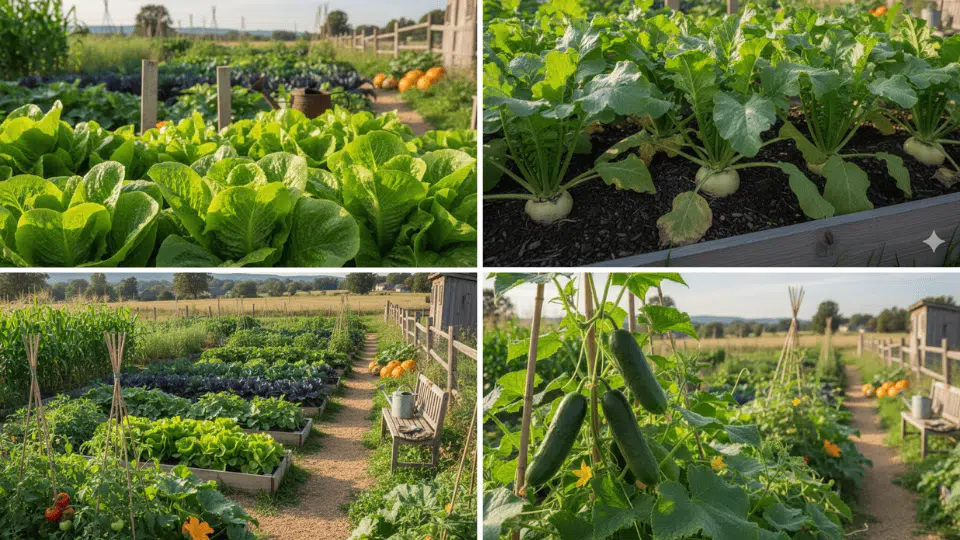
Want fresh veggies without the hassle? Some vegetables practically grow themselves with minimal effort, making them perfect for beginners or anyone short on time.
If you’ve got a backyard or just a small patio, these easy-to-grow options thrive almost anywhere.
There’s something satisfying about eating what you’ve grown. Ready to find which vegetables are so easy, you’ll wonder why you waited?
Why Start with Easy-to-Grow Vegetables?
Choosing the easiest vegetables to grow sets beginners up for success from day one. Forgiving plants that tolerate beginner mistakes help build confidence and keep motivation high throughout the growing season.
These low-maintenance crops deliver rewarding harvests without demanding constant attention, making them perfect for people with busy schedules or limited gardening time.
Early wins with simple vegetables encourage caretakers to expand their skills and try more challenging varieties later.
The beauty of easy vegetables lies in their versatility; they grow equally well in traditional garden beds, raised planters, or containers on small patios and balconies.
Essential Tips for Beginner caretakers
Success with the easiest vegetables to grow starts with mastering a few fundamental practices that apply across all crops.
- Know Your Growing Season: Identifying local frost dates and climate conditions helps caretakers plant at the right time for their region.
- Prepare the Right Soil Mix: Loamy, compost-rich soil provides the perfect foundation for most vegetables to establish strong roots.
- Watering and Fertilizing Basics: Keeping soil consistently moist without overwatering prevents root rot while ensuring plants stay hydrated.
- Simple Pest Management: Using natural deterrents, such as companion planting and organic sprays, protects plants without harsh chemicals.
Easiest Vegetables to Grow in Cool Season
Cool-season crops grow in spring and fall when temperatures stay mild, making them perfect starter vegetables for beginners.
1. Lettuce
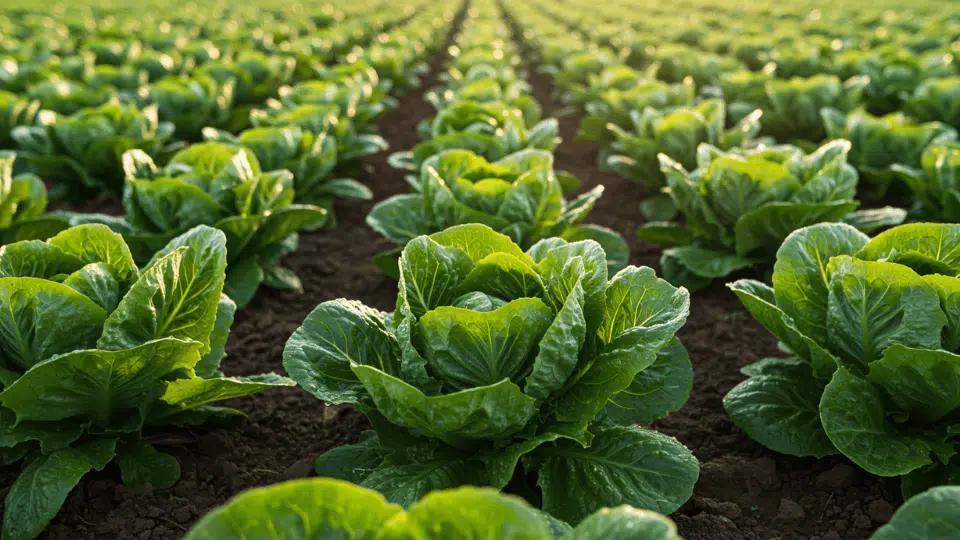
Lettuce is one of the easiest vegetables for beginners due to its quick growth and forgiving nature. It grows in spring and fall, providing fresh greens within weeks.
- Growing Time: Ready to harvest in 30-45 days from seed, perfect for impatient beginners seeking quick results.
- Sunlight: Needs 4-6 hours of sunlight daily and grows well in containers with just 6 inches between plants.
- Health Benefit: Packed with vitamins A and K, supporting eye health and strong bones
2. Spinach
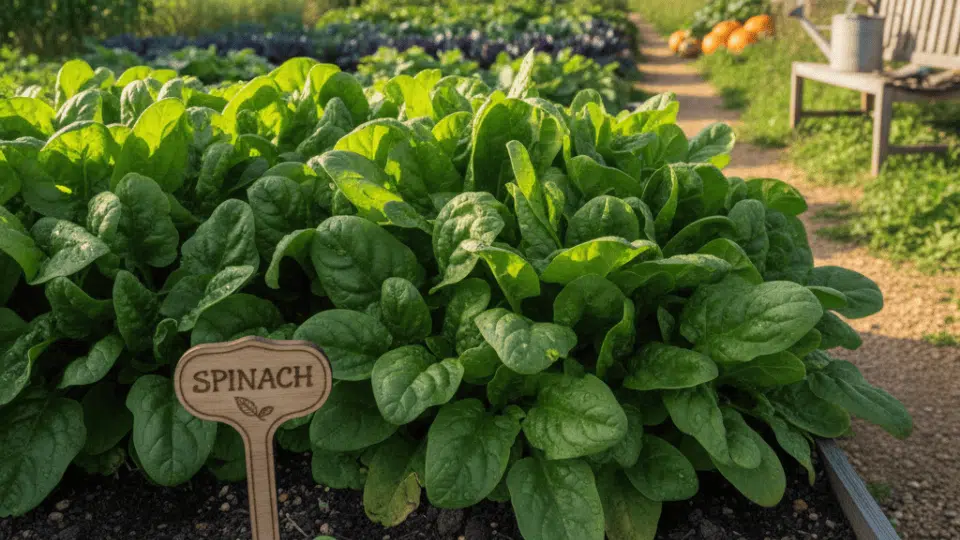
Spinach is one of the healthiest vegetables for cool weather, tolerating light frost and shade. Its nutrient-rich leaves can be harvested freely throughout the season.
- Growing Time: Matures in 40-50 days with the option to harvest baby leaves even earlier for salads.
- Sunlight: Matures with 3-6 hours of sunlight and needs only 3-4 inches between plants in rows or containers.
- Health Benefit: Loaded with iron and folate, promoting healthy blood cells and supporting energy levels
3. Kale
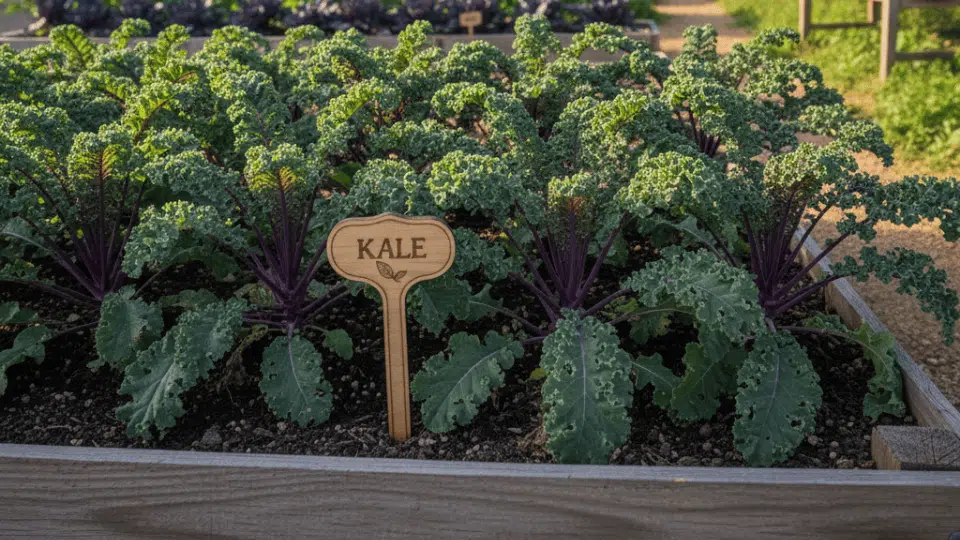
Kale proves itself among the vegetables that grow with its incredible cold tolerance and pest resistance. This hardy, leafy green actually tastes sweeter after frost, making it a reliable crop for fall gardens.
- Growing Time: Ready to harvest in 50-65 days, with leaves becoming more tender when picked young.
- Sunlight: Requires 6 hours of sunlight daily and grows best with 12-18 inches between plants for full development.
- Health Benefit: Rich in vitamins C and K, plus powerful antioxidants that support immune function and reduce inflammation naturally.
4. Radishes
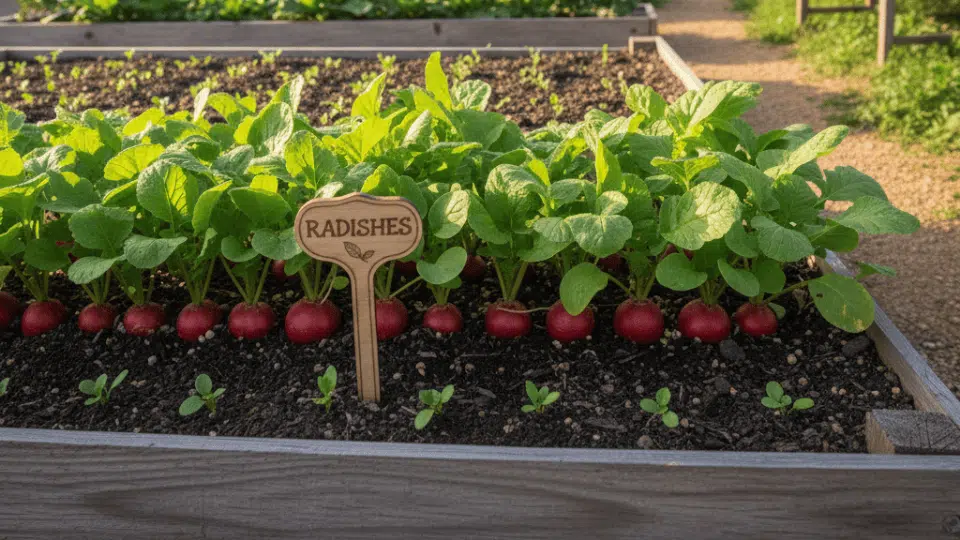
Radishes represent the vegetables for instant gratification, sprouting within days and maturing faster than almost any other crop. These crisp root vegetables require minimal space and Mature even in poor soil conditions.
- Growing Time: Harvest-ready in just 25-30 days, making them perfect for filling gaps
- Sunlight: Needs 6 hours of sunlight and only 1-2 inches between seeds, ideal for tight garden spaces.
- Health Benefit: Contains vitamin C and fiber that aid digestion while providing a satisfying crunch
5. Carrots
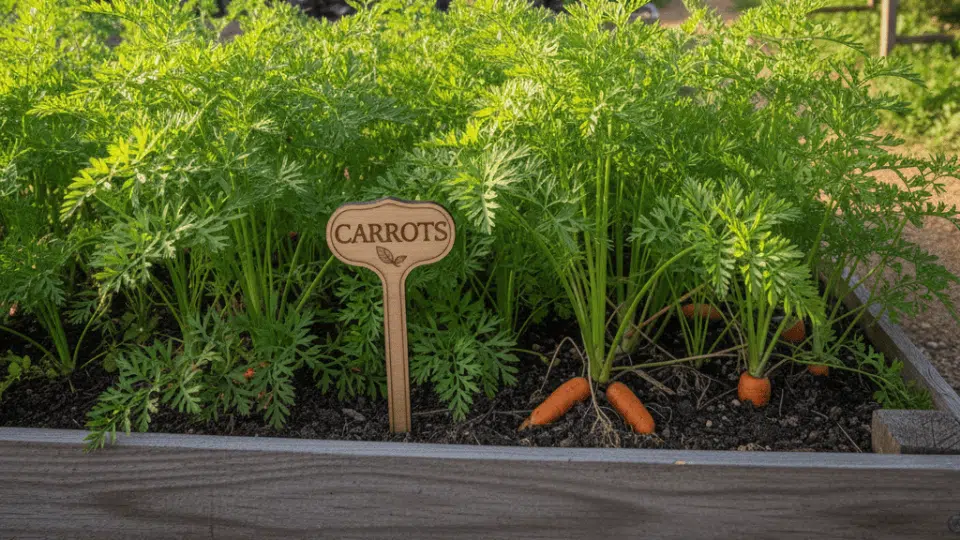
Carrots are among the easiest vegetables to grow once caretakers master proper soil preparation and thinning. These sweet root vegetables develop deep underground, storing natural sugars that intensify with cool fall temperatures.
- Growing Time: Ready in 60-80 days, depending on variety, with smaller baby carrots maturing faster
- Sunlight: Requires 6-8 hours of sunlight daily and needs 2-3 inches between plants after thinning
- Health Benefit: Excellent source of beta-carotene, converting to vitamin A, supporting vision health
6. Peas
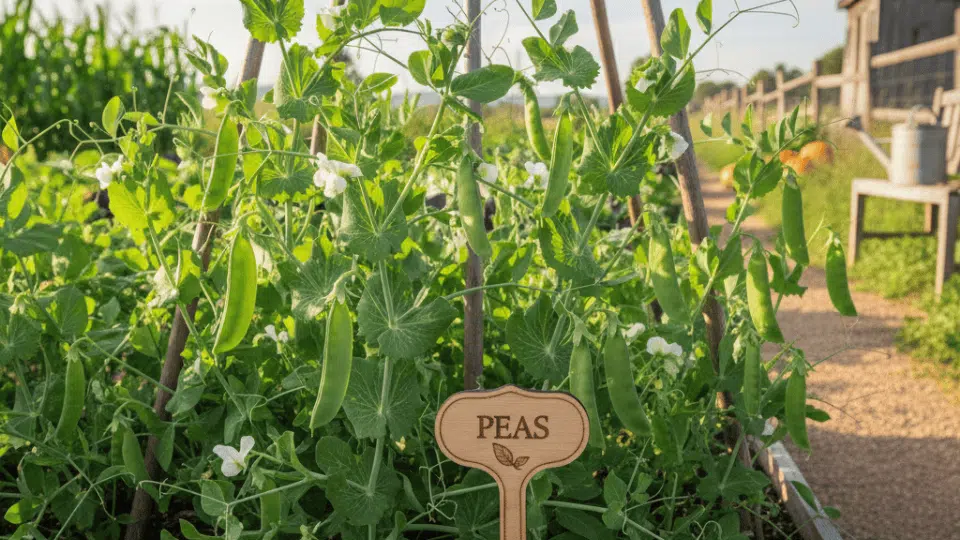
Peas count among the vegetables that, in early spring, tolerate cold soil and light frosts that kill many other crops. These climbing or bush plants fix nitrogen in the soil, actually improving garden beds for future plantings.
- Growing Time: Produces edible pods in 60-70 days, with snap peas ready even sooner for garden snacking.
- Sunlight: Matures with 6-8 hours of sunlight and needs 2-3 inches between plants along trellises or supports.
- Health Benefit: High in protein and fiber, promoting satiety and digestive health
7. Broccoli
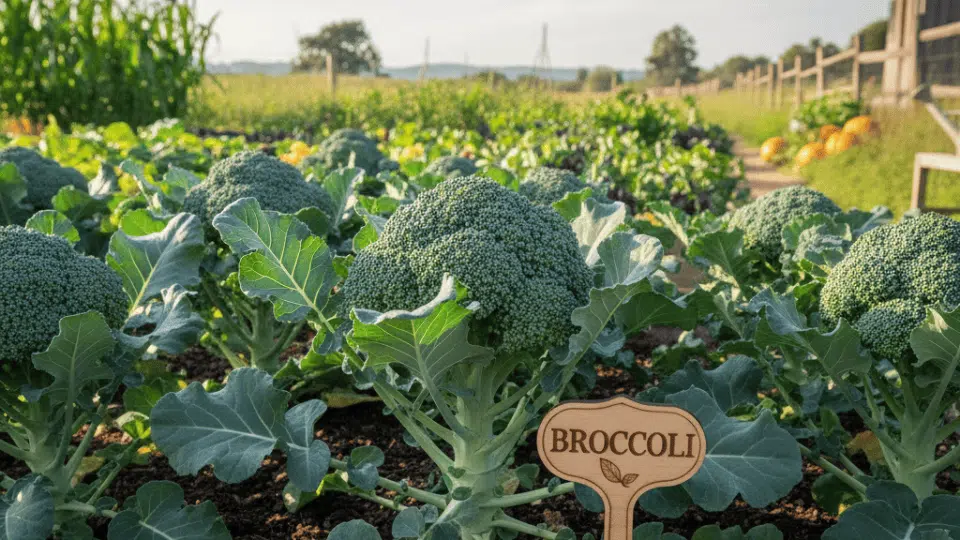
Broccoli is among the vegetables to grow in cool-season harvests, producing large central heads followed by smaller side shoots. This nutrient-packed crop Matures in spring and fall when temperatures stay consistently cool.
- Growing Time: Main head ready in 60-90 days, with side shoots continuing production for weeks
- Sunlight: Requires 6-8 hours of full sunlight and needs 18-24 inches between plants
- Health Benefit: Packed with vitamins C and K plus cancer-fighting compounds that support overall wellness
8. Cabbage
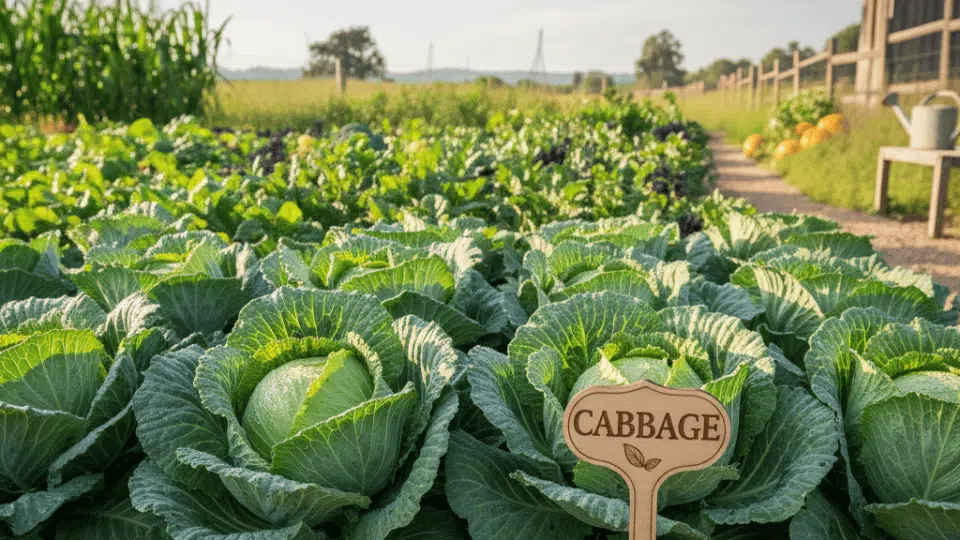
Cabbage is one of the vegetables to grow for long-term storage, forming dense heads that withstand frost and improve in flavor. This versatile crop grows well in spring or fall, adapting to a wide range of climate conditions.
- Growing Time: Matures in 70-100 days, depending on variety
- Sunlight: Needs 6-8 hours of sunlight daily and requires 12-18 inches between plants for full head formation.
- Health Benefit: Rich in vitamin C and beneficial compounds supporting gut health and inflammation reduction
9. Beets
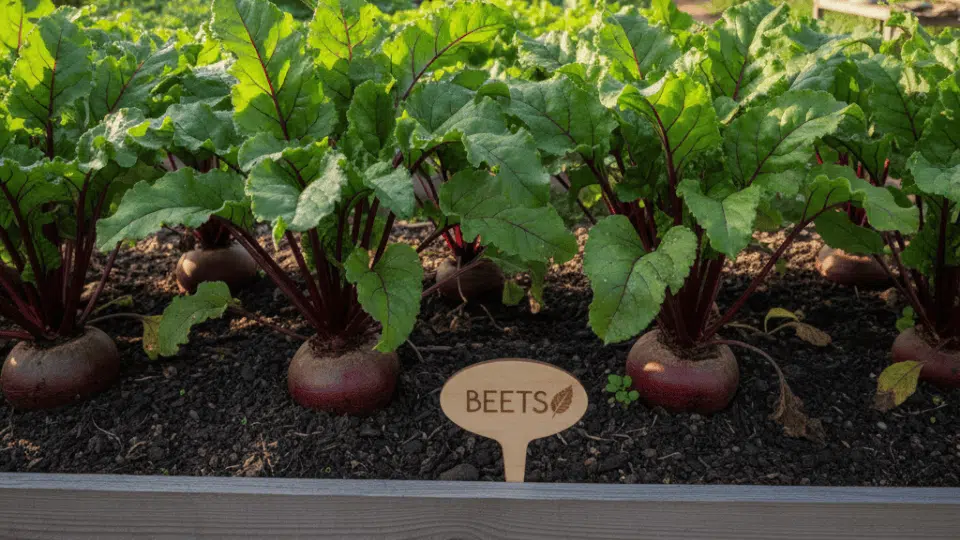
Beets prove themselves among the easiest vegetables to grow by offering two harvests in one: tender greens and sweet roots. These dual-purpose vegetables tolerate poor soil and grow reliably with minimal care.
- Growing Time: Greens are ready in 30 days, while roots mature in 50-70 days
- Sunlight: Matures with 6 hours of sunlight and needs 3-4 inches between plants
- Health Benefit: Contains folate and nitrates that support heart health by improving blood flow
Easiest Vegetables to Grow in Warm Season
Warm-season vegetables flourish in late spring through summer heat, transforming sunny gardens into abundant producers of fresh crops.
10. Tomatoes
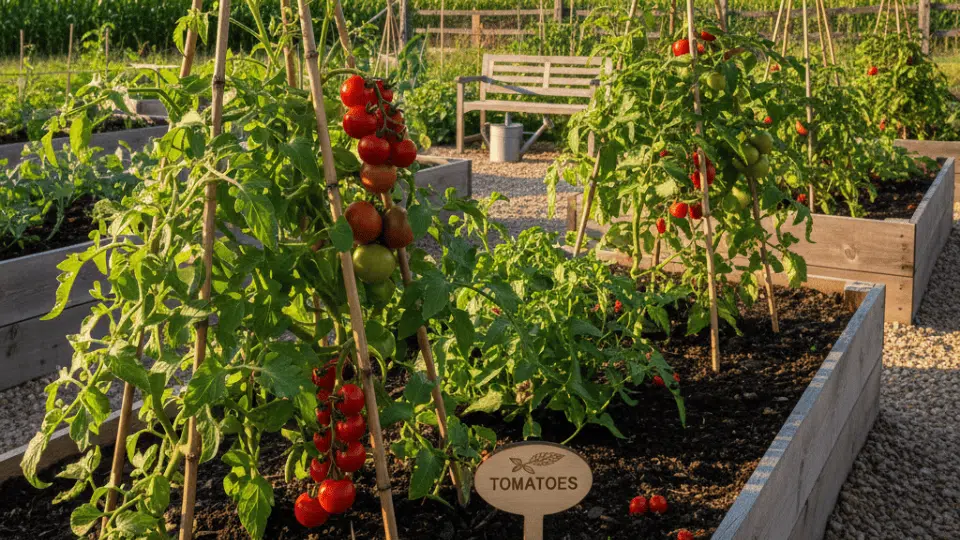
Tomatoes reign as the vegetable that provides rewarding summer harvests, offering endless varieties from cherry to beefsteak sizes.
These heat-loving plants produce abundantly once established, providing caretakers with fresh fruit throughout the growing season.
- Growing Time: Bears fruit in 60-85 days, depending on variety
- Sunlight: Requires 6-8 hours of full sunlight daily and needs 24-36 inches between plants
- Health Benefit: Loaded with lycopene and vitamin C, protecting heart health and fighting free radicals
11. Zucchini
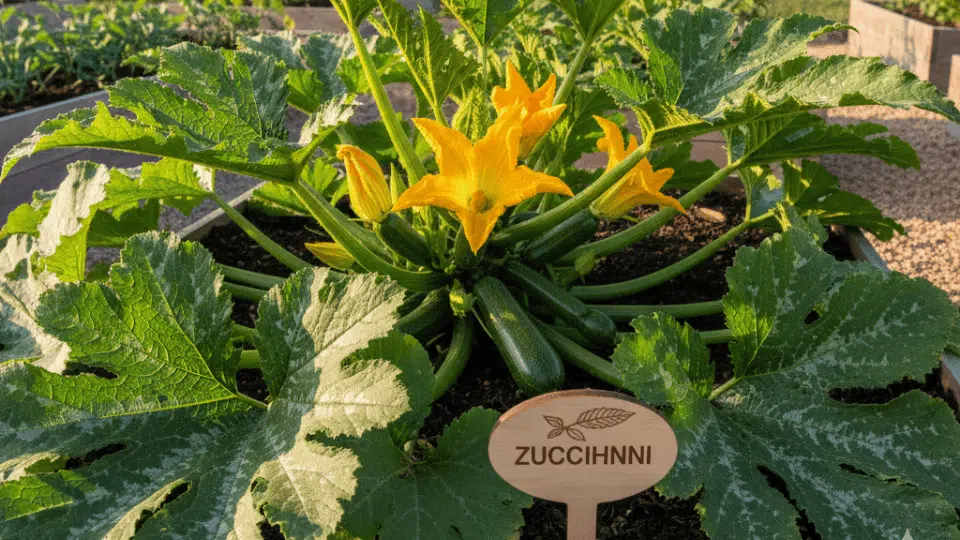
Zucchini ranks among the vegetables for its vigorous growth and prolific production, which often overwhelms caretakers.
This summer squash matures in warm weather, producing tender fruits continuously when harvested regularly.
- Growing Time: Ready to pick in just 45-55 days, with daily harvests keeping plants productive all summer long.
- Sunlight: Needs 6-8 hours of sunlight and requires 24-36 inches between plants
- Health Benefit: High in potassium and low in calories, supporting healthy blood pressure
12. Cucumbers
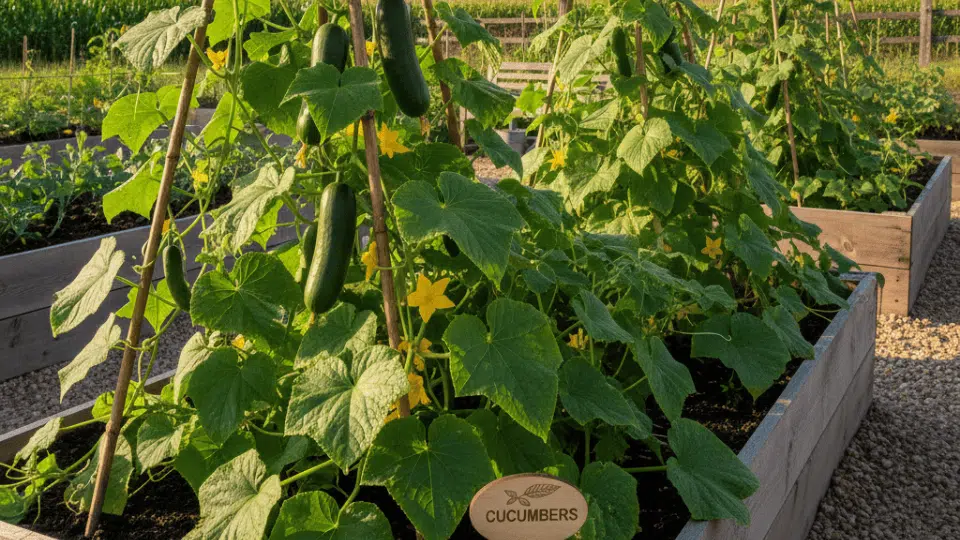
Cucumbers are a refreshing summer vegetable that produce crisp fruits on vigorous vines. These heat-loving plants climb trellises or sprawl along the ground, adapting well to a variety of garden setups.
- Growing Time: Produces cucumbers in 50-70 days with continuous harvests when fruits are at peak ripeness.
- Sunlight: Matures with 6-8 hours of sunlight and needs 12-24 inches between plants when trellised vertically.
- Health Benefit: Contains hydrating compounds and silica that promote skin health
13. Green Beans
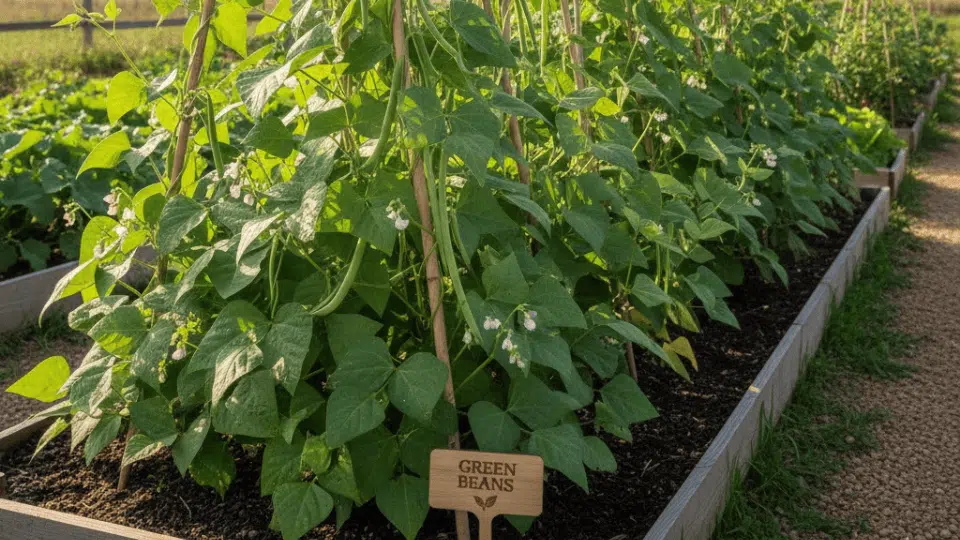
Green beans count as the vegetable known for steady production, offering both bush and pole varieties for different spaces. These nitrogen-fixing plants improve soil quality while producing tender pods perfect for fresh eating or preserving.
- Growing Time: Ready to harvest in 50-60 days, with bush types producing all at once
- Sunlight: Requires 6-8 hours of sunlight daily and needs 4-6 inches between plants for bush or pole varieties.
- Health Benefit: Rich in fiber and folate, supporting digestive health and providing essential nutrients
14. Bell Peppers
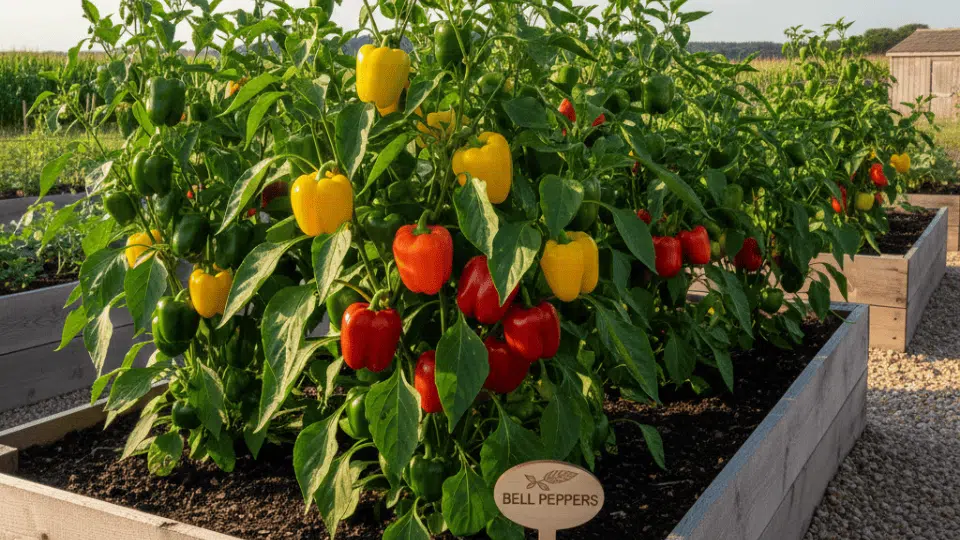
Bell peppers stand out as the easiest vegetables to grow for colorful, sweet additions to summer gardens and meals. These warm-season plants produce fruits that change from green to red, yellow, or orange as they ripen fully.
- Growing Time: Matures in 60-90 days, with green peppers ready first, while colored peppers need time for sweetness.
- Sunlight: Needs 6-8 hours of full sunlight and requires 18-24 inches between plants
- Health Benefit: Packed with vitamin C and antioxidants, boosting immune function and supporting collagen
15. Corn
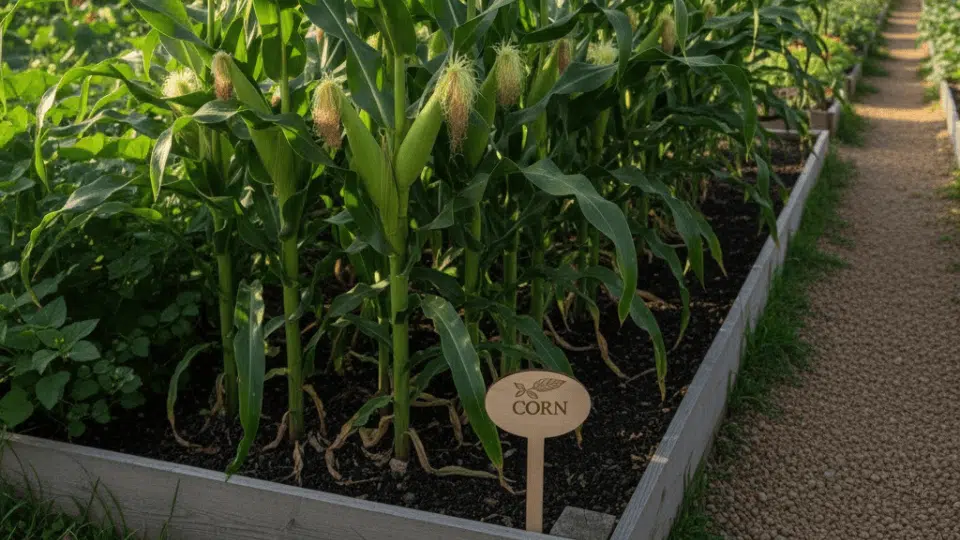
Corn is one of the most impressive offerings, with its sweet summer harvests straight from the stalk. This warm-season crop grows quickly in hot weather, producing ears filled with tender kernels at peak freshness.
- Growing Time: Ready to harvest in 60-100 days, depending on variety
- Sunlight: Requires 6-8 hours of sunlight daily and needs 8-12 inches between plants
- Health Benefit: Provides fiber and B vitamins that support energy metabolism
16. Eggplant
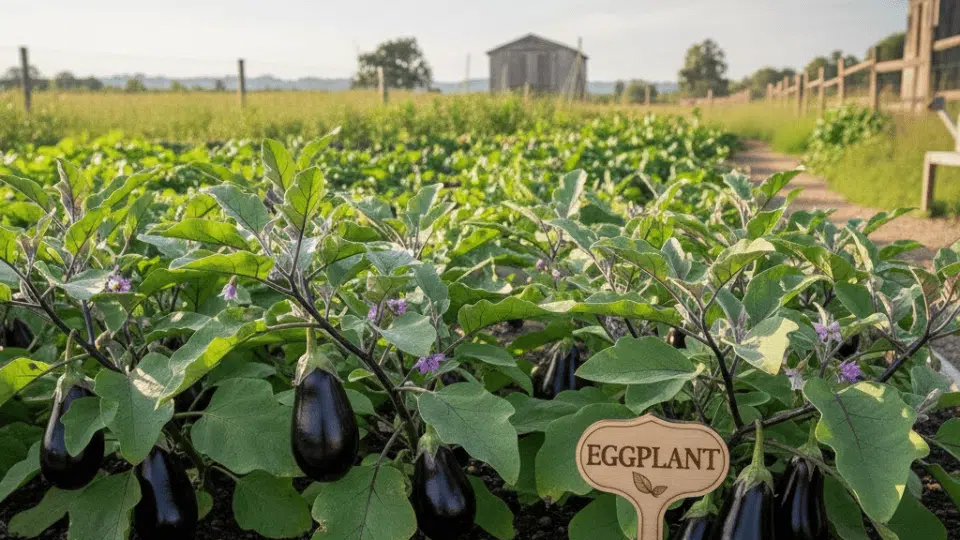
Eggplant matures in hot climates, thriving when temperatures soar and other crops struggle. These glossy purple fruits develop on attractive plants that add ornamental value to vegetable gardens.
- Growing Time: Produces harvest-ready fruits in 70-85 days
- Sunlight: Matures with 6-8 hours of full sunlight and requires 24-30 inches between plants
- Health Benefit: Contains anthocyanins and fiber that promote heart health
17. Okra
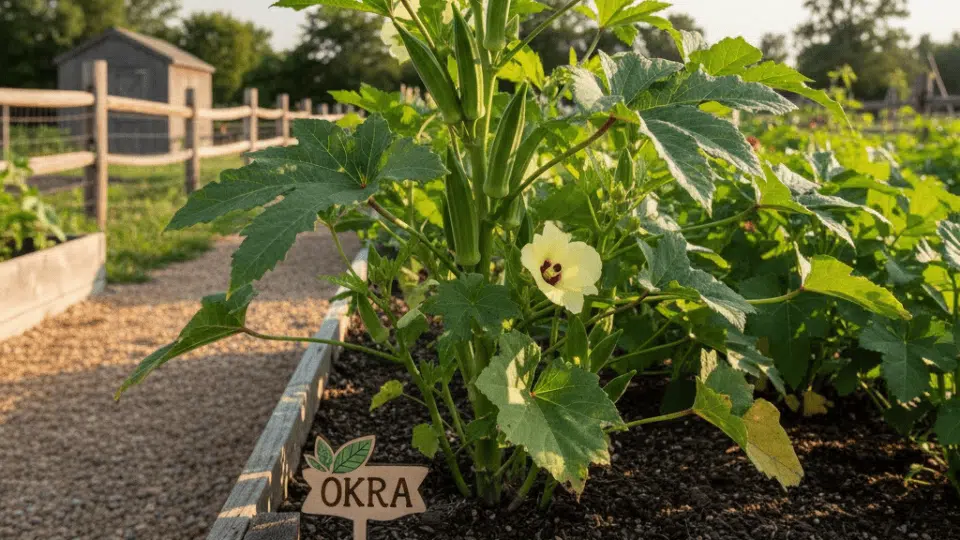
Okra proves itself the in hot, humid conditions where many vegetables fail completely. This heat-loving plant produces edible pods continuously throughout summer, becoming more productive as temperatures rise.
- Growing Time: Ready to harvest in 50-65 days, with pods needing daily picking to maintain tenderness
- Sunlight: Requires 6-8 hours of sunlight daily and needs 12-18 inches between plants for proper air circulation.
- Health Benefit: Rich in mucilage and vitamin K, supporting digestive health and bone strength
18. Pumpkins
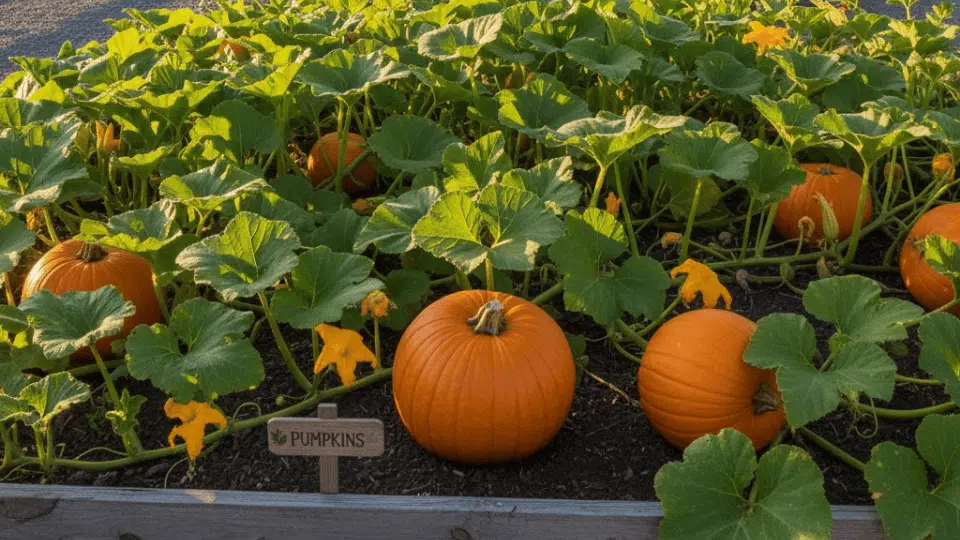
Pumpkins rank as the vegetable used for fall decorations and cooking, sprawling across gardens with minimal care required.
These vigorous vines produce large fruits that store exceptionally well for months after harvest in cool, dry conditions.
- Growing Time: Matures in 90-120 days, depending on variety
- Sunlight: Needs 6-8 hours of sunlight and requires 36-60 inches between plants due to extensive vine spread.
- Health Benefit: Loaded with beta-carotene and fiber, supporting eye health and immune function
Easiest Vegetables to Grow in Late-Summer to Fall Season
Late-summer and fall plantings extend the harvest season, taking advantage of cooling temperatures for a productive second crop.
19. Swiss Chard
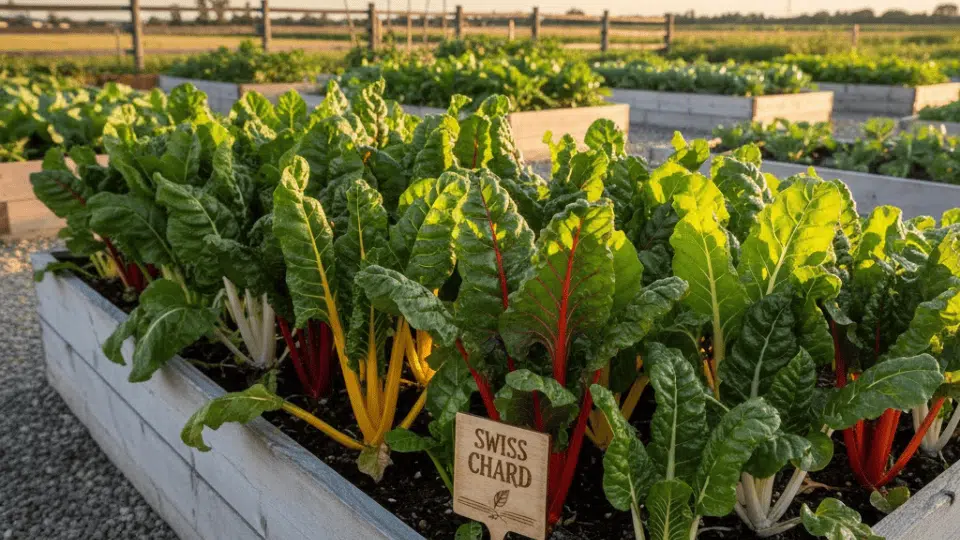
Swiss Chard stands among the vegetables for continuous harvests, producing colorful stems and nutritious leaves throughout fall.
This cold-hardy green tolerates light frosts while maintaining tender texture and mild flavor in cooler weather.
- Growing Time: Ready to harvest in 50-60 days, with outer leaves picked continuously
- Sunlight: Matures with 4-6 hours of sunlight daily and needs 6-12 inches between plants
- Health Benefit: Packed with vitamins A, C, and K plus magnesium, supporting bone health
20. Turnips
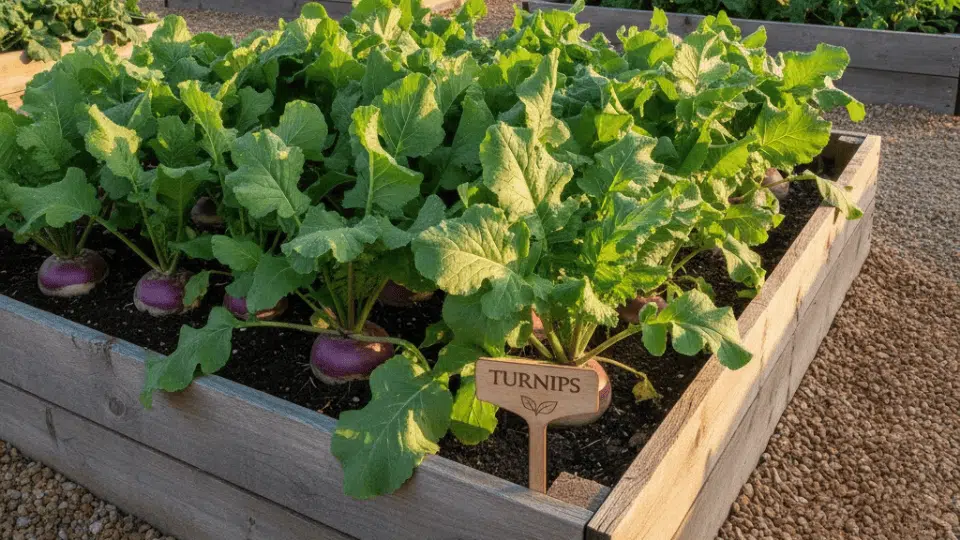
Turnips prove themselves among the vegetables for dual-purpose harvests, offering both tender greens and mild roots.
These fast-growing vegetables sweeten considerably after frost exposure, making them perfect for fall garden plantings.
- Growing Time: Greens are ready in 30 days, while roots mature in 45-60 days for complete harvesting flexibility.
- Sunlight: Requires 6 hours of sunlight and needs 4-6 inches between plants
- Health Benefit: Rich in vitamin C and glucosinolates that support immune function
21. Cauliflower
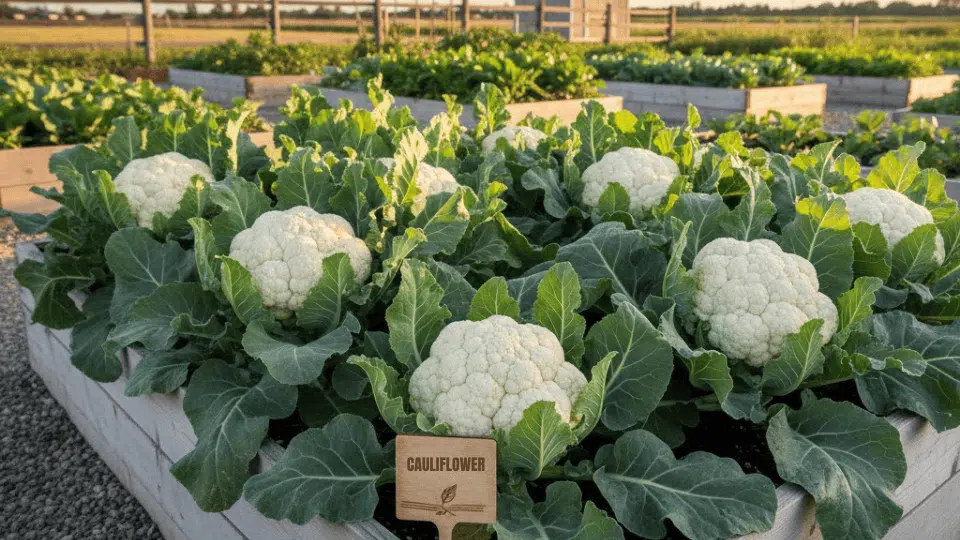
Cauliflower ranks among the the fall crops, when cool temperatures produce the finest-quality heads. This nutritious cruciferous vegetable develops tight, white florets that taste sweeter and milder in autumn conditions.
- Growing Time: Matures in 55-80 days, depending on variety; fall plantings produce superior texture and flavor.
- Sunlight: Needs 6-8 hours of sunlight daily and requires 18-24 inches between plants
- Health Benefit: Contains choline and sulforaphane, supporting brain health and cellular detoxification
22. Collard Greens
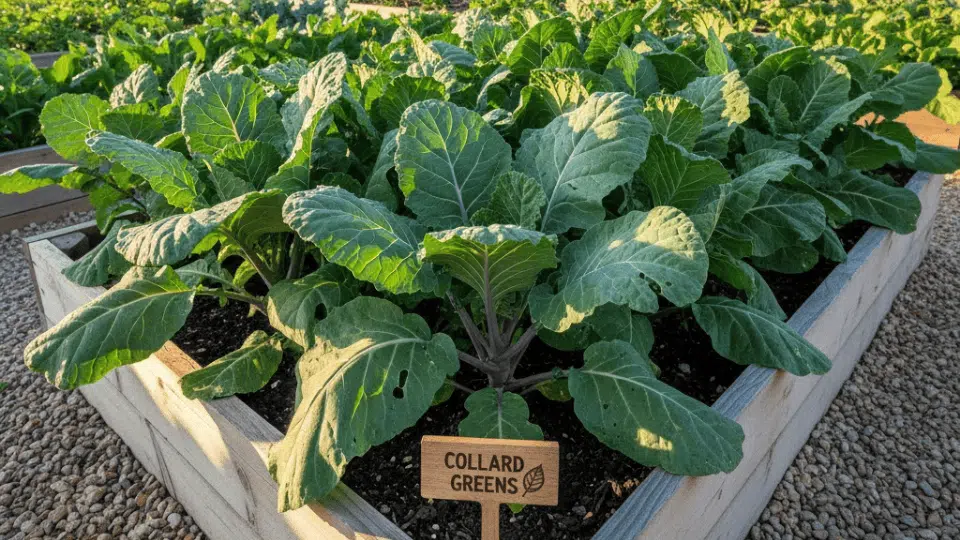
Collard Greens are among the most common southern garden crops, thriving in fall temperatures and improving after frost. These hearty greens produce large, nutritious leaves that withstand cold better than almost any other vegetable.
- Growing Time: Ready to harvest in 60-75 days with continuous leaf picking extending production
- Sunlight: Matures with 6-8 hours of sunlight and needs 18-24 inches between plants for full-size leaf growth.
- Health Benefit: Loaded with vitamins K and A plus calcium, promoting bone strength and eye health
23. Mustard Greens
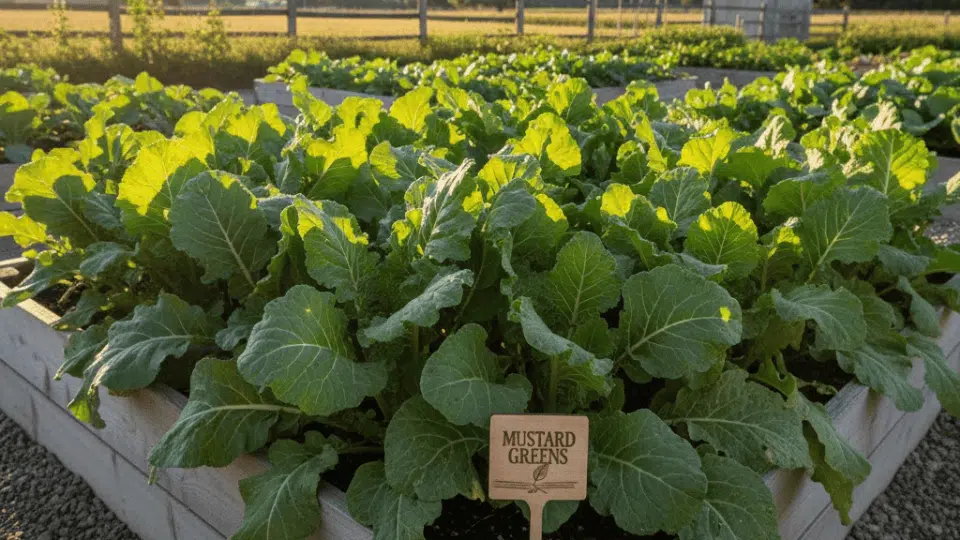
Mustard Greens count among the best for spicy flavor and rapid growth in cool weather. These peppery leaves mature quickly in the fall, making them a zesty addition to salads and cooked dishes with minimal effort.
- Growing Time: Ready in just 40-50 days, with baby leaves available even sooner for salad mixes and garnishes.
- Sunlight: Requires 4-6 hours of sunlight and needs 6-12 inches between plants, depending on desired leaf size.
- Health Benefit: Rich in vitamins C and E, plus antioxidants that fight inflammation and support the immune system
24. Garlic
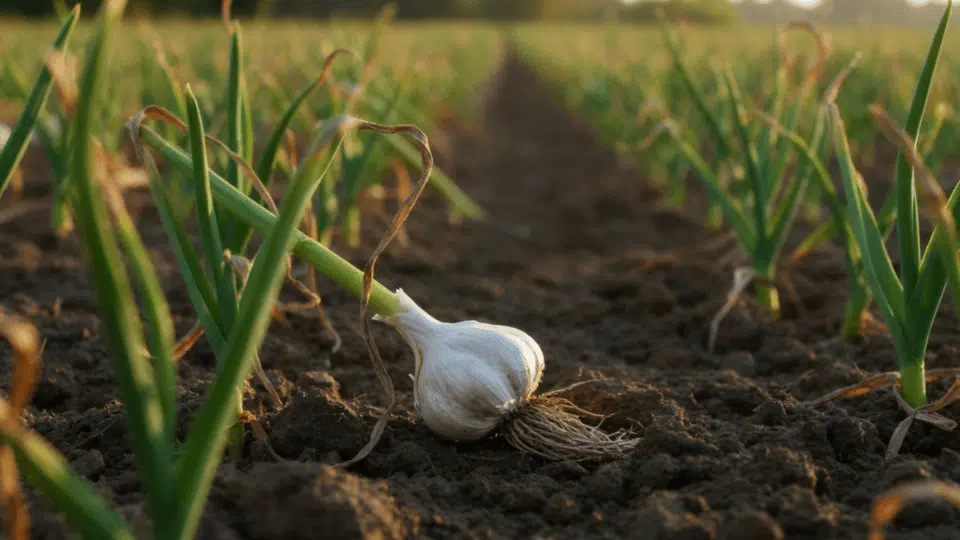
Garlic stands out as the best for long-term rewards, planted in fall and harvested the following summer.
These aromatic bulbs require minimal maintenance once established and develop complex flavors during winter dormancy underground.
- Growing Time: Takes 8-9 months from fall planting to summer harvest
- Sunlight: Needs 6-8 hours of sunlight and requires 4-6 inches between cloves for proper bulb formation.
- Health Benefit: Contains allicin and sulfur compounds that support heart health
25. Onions
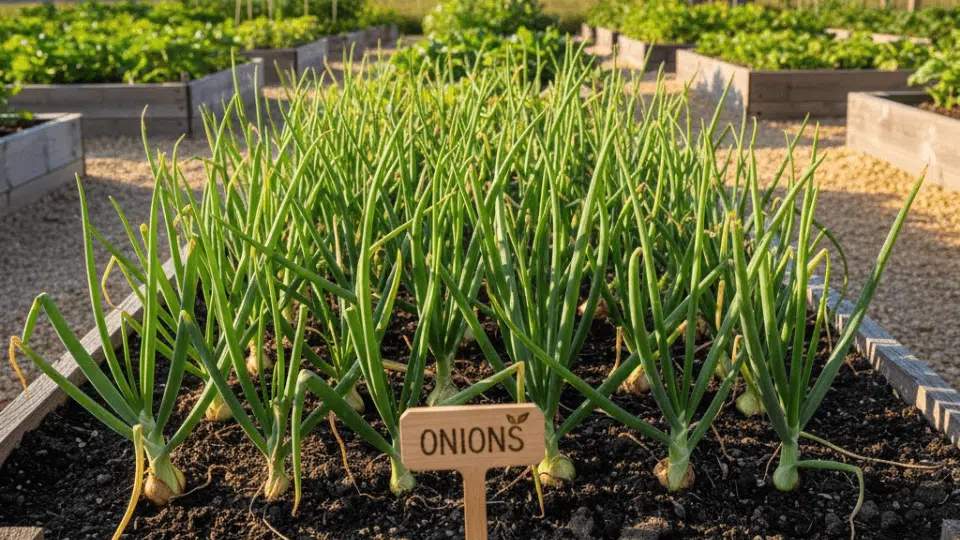
Onions prove themselves among the sets planted in late summer for fall establishment. These essential kitchen staples develop slowly through cool months, forming flavorful bulbs that store exceptionally well after harvest.
- Growing Time: Matures in 90-120 days from sets with fall-planted onions ready by early summer
- Sunlight: Requires 6-8 hours of sunlight daily and needs 4-6 inches between sets for full bulb development.
- Health Benefit: Packed with quercetin and prebiotics supporting gut health
26. Arugula
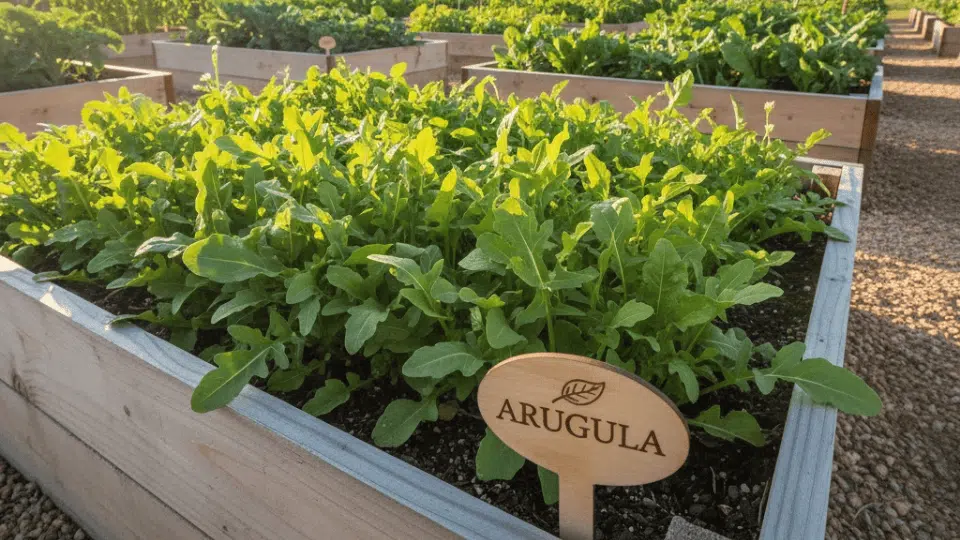
Arugula ranks as the most peppery salad green, thriving in cool fall temperatures that mellow its spicy bite. This fast-growing leafy green tolerates light frost while providing continuous harvests throughout the autumn season.
- Growing Time: Ready to harvest in just 30-40 days with cut-and-come-again harvesting
- Sunlight: Grows with 4-6 hours of sunlight and needs only 3-4 inches between plants in rows or containers.
- Health Benefit: Contains nitrates and vitamin K that improve blood flow and bone health
27. Parsnips
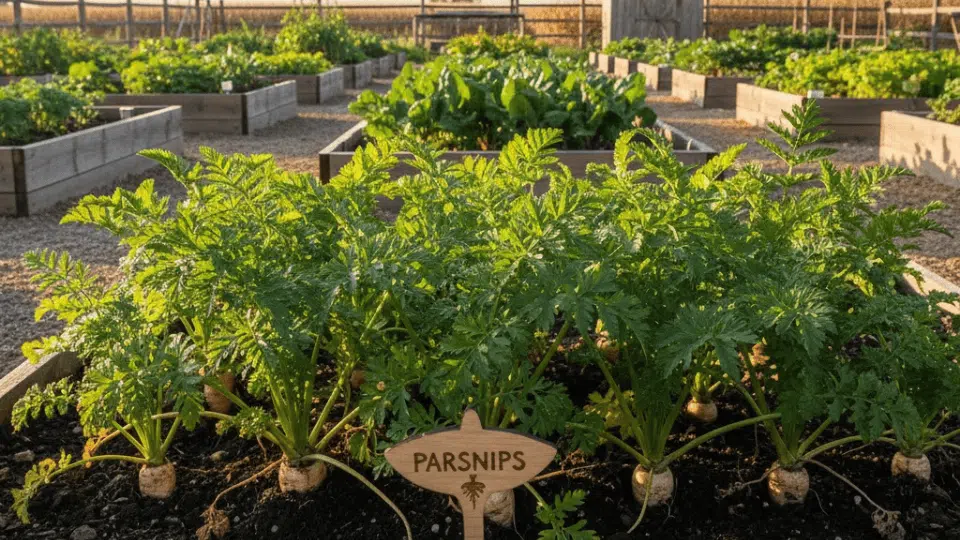
Parsnips emerge as the sweet winter roots, requiring fall planting and frost exposure for optimal flavor. These cream-colored roots develop deep underground, converting starches to sugars as temperatures drop throughout autumn.
- Growing Time: Matures in 100-120 days with the best flavor
- Sunlight: Requires 6-8 hours of sunlight and needs 3-4 inches between plants after thinning for straight growth.
- Health Benefit: High in fiber and potassium, supporting digestive health and blood pressure regulation
Unique and Native Vegetables from U.S. States
Many U.S. states boast native or locally adapted vegetables that rank among the easiest vegetables to grow in their specific regions.
These resilient plants evolved alongside local climates, making them naturally low-maintenance and perfectly suited to regional conditions.
States and Their Unique Vegetables
| STATE | VEGETABLES | WHY THEY GROW |
|---|---|---|
| Maine | Fiddlehead ferns, ramps | Cold-hardy spring delicacies in woodlands |
| Florida | Seminole pumpkin, Everglades tomato | Resist subtropical heat, humidity, pests |
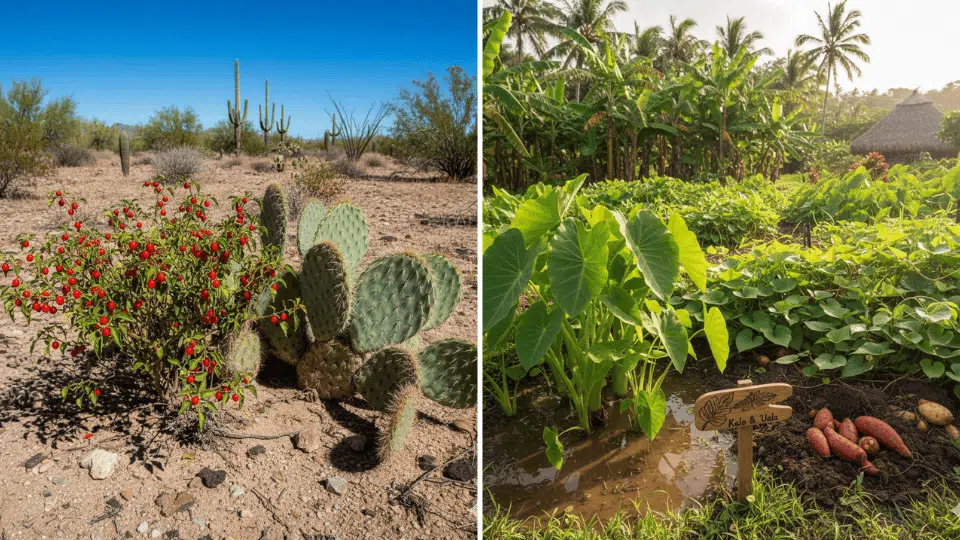
| Texas | Chiltepin peppers, nopalitos | Minimal water, tolerate intense heat |
| California | Miner’s lettuce, wild spinach | Self-seeds during cool, wet winters |
| Louisiana | Creole tomatoes, cowpeas | Resist fungal diseases in humid summers |
| New Mexico | Hatch chile, tepary beans | Grow in arid, high-altitude conditions |
| Hawaii | Taro, sweet potato | Year-round tropical harvests |
| Alaska | Wild rhubarb, fireweed | Maximize 24-hour summer daylight |
| Illinois | Sunchokes, prairie turnip | Tolerate poor soil, return annually |
| North Carolina | Ramps, collard greens | Handle humid summers, mild winters |
Common Mistakes to Avoid
Even with the easiest vegetables to grow, beginners can encounter setbacks by making simple mistakes that harm plant growth and reduce harvests.
- Planting Out of Season: Check local frost dates; plant cool-season crops in spring/fall, and warm-season vegetables after the last frost. Match planting times to your growing zone for best results.
- Overcrowding Seedlings: Follow the seed packet guidelines and thin seedlings to the recommended spacing. Crowded plants compete for nutrients, water, and sunlight, leading to weak growth and increased susceptibility to disease.
- Overwatering or Inconsistent Watering: Water deeply but infrequently, allowing the soil to dry slightly between waterings. Use the finger test: if the soil feels moist 2 inches down, skip watering that day.
- Ignoring Soil Quality: Test the soil before planting, and amend it with compost to improve drainage and nutrient availability. Quality soil creates the foundation for healthy roots and productive plants throughout the season.
- Neglecting Pest Prevention: Inspect plants regularly and use companion planting or natural deterrents early. Catching pest problems when populations are small prevents major infestations that damage entire crops.
Final Thoughts
Starting with easy vegetables turns gardening from overwhelming to achievable. Each harvest builds your confidence and teaches valuable lessons for the seasons ahead.
Pick two or three beginner-friendly vegetables, prepare your soil, and get planting.
Your first homegrown tomato or crisp lettuce will taste better than anything from the store and prove you have what it takes to grow your own food. The best time to start your garden is today.