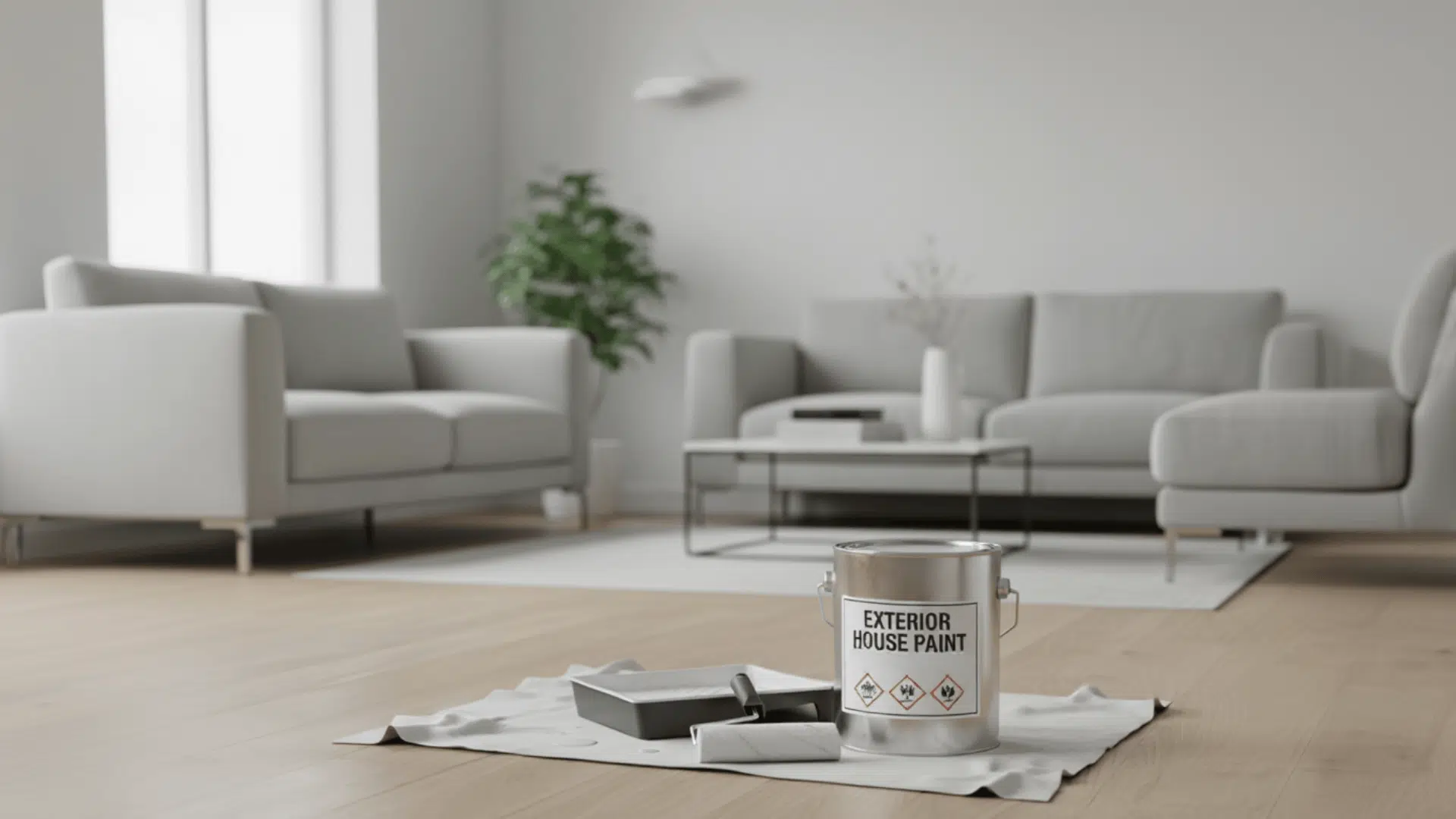
You’ve got leftover exterior paint and a room that needs refreshing; so why not use what you already have? Before you crack open that can, there’s more to this decision than you might think.
Each paint type has different formulas, and mixing them up can compromise your indoor air quality, how long it lasts, and how it looks.
While it’s technically possible in some situations, understanding the risks and proper application methods is crucial. The real question isn’t whether you can, but whether you should—and the answer might surprise you.
Why People Want to Reuse Exterior Paint?
When exterior projects leave half-full cans behind, the question “can you use exterior paint inside?” naturally surfaces. Budget-conscious families see an opportunity to tackle indoor touch-ups without spending extra cash.
Exterior paints often cost more than interior formulas, making them seem like premium options. Some assume higher durability means better protection for high-traffic indoor areas like hallways and mudrooms.
Environmental concerns also play a role. Disposing of paint requires special handling, so people ask, “can I use exterior paint inside?” hoping to reduce household waste.
The logic seems sound: if paint protects against rain and sun, surely it handles indoor conditions. However, this line of thinking overlooks critical safety factors that make the practice risky.
Interior vs Exterior Paint
Understanding paint formulations explains why you can use exterior paint inside remains a safety concern rather than a simple substitution.
| Feature | Interior Paint | Exterior Paint |
|---|---|---|
| VOC Content | 50-150 g/L (low to moderate) | 150-380 g/L (moderate to high) |
| Primary Purpose | Aesthetic appeal, washability, stain resistance | Weather protection, UV resistance, moisture barrier |
| Resin Type | Softer, breathable resins | Harder, more durable resins |
| Mildewcides | Minimal or none | High levels (zinc pyrithione, tributyltin) |
| Fungicides | Not included | Always present |
| UV Stabilizers | Not needed | Essential component |
| Off-Gas Duration | 24-48 hours | 2-8 weeks |
| Recommended Ventilation | Standard room airflow | Continuous outdoor exposure |
| Chemical Additives | Minimal (color, flow agents) | Extensive (weatherproofing, biocides, plasticizers) |
| Indoor Safety | Designed for enclosed spaces | Not safe for prolonged indoor exposure |
Significant Risks of Using Exterior Paint Inside Your Home
Can exterior paint be used inside without consequences? The short answer is no, and the risks are more serious than most people realize.
- Toxic fumes and VOCs: Exterior paints release high levels of volatile organic compounds that linger indoors for months, causing headaches, dizziness, and respiratory issues.
- Strong chemical odor: The smell doesn’t fade quickly in enclosed spaces, making rooms uncomfortable and potentially unsafe for children and pets.
- Mildewcides and fungicides: These outdoor-specific additives prevent mold growth outside but become harmful irritants when trapped in your living spaces.
- Poor indoor air quality: Unlike interior paints designed for ventilation-limited areas, exterior formulas continuously off-gas harmful chemicals.
- Long-term health effects: Extended exposure can lead to nausea, eye irritation, and even damage to your liver and kidneys.
Can Exterior Paint Be Used Inside?
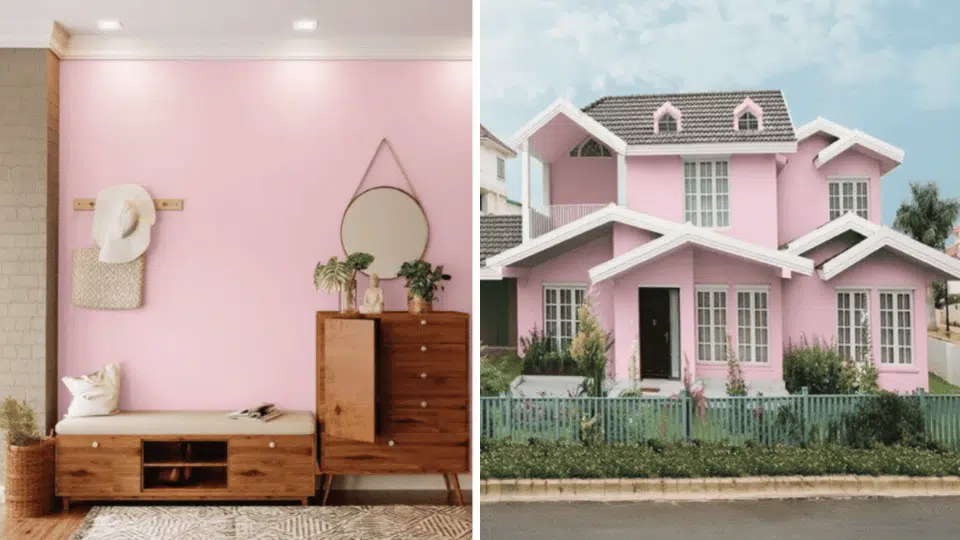
You might wonder if there’s ever a scenario where you can use exterior paint inside that makes sense. The reality is that there are no truly safe situations for this choice.
Unoccupied storage rooms still spread fumes throughout homes through vents and gaps. Garages connected to houses allow toxic chemicals to migrate into living areas through shared walls and doors.
Well-ventilated sunrooms trap mildewcides and fungicides despite windows and airflow.
Basement workshops create concentrated toxic environments that affect entire houses through HVAC systems, as underground areas trap moisture and chemicals.
The question of whether exterior paint can be used inside any structure where humans spend time receives the same answer: no safe exceptions exist.
What If You Accidentally Used Exterior Paint Inside?
Mistakes happen, and sometimes you realize too late that can you use exterior paint inside wasn’t the right question to ask. Here’s what to do next.
- Ventilate immediately: Open all windows and doors, run fans toward the outside, and keep air circulating for several days to push toxic fumes out.
- Evacuate if needed: Move family members, especially kids and pregnant women, to another location until the smell significantly decreases.
- Monitor for symptoms: Watch for headaches, nausea, or breathing problems, and seek medical help if anyone feels unwell.
- Consider repainting: Once the paint dries completely, apply two coats of interior paint over it to seal in harmful chemicals.
- Test air quality: Use an indoor air quality monitor or hire professionals to check VOC levels before moving back in permanently.
Safer Alternatives to Using Exterior Paint Indoors
So, can exterior paint be used inside at all? The answer is still no, but you’ve got plenty of better options. Instead of risking your family’s health with outdoor formulas, stick with paints specifically designed for indoor use.
1. Low-VOC or Zero-VOC Interior Paint
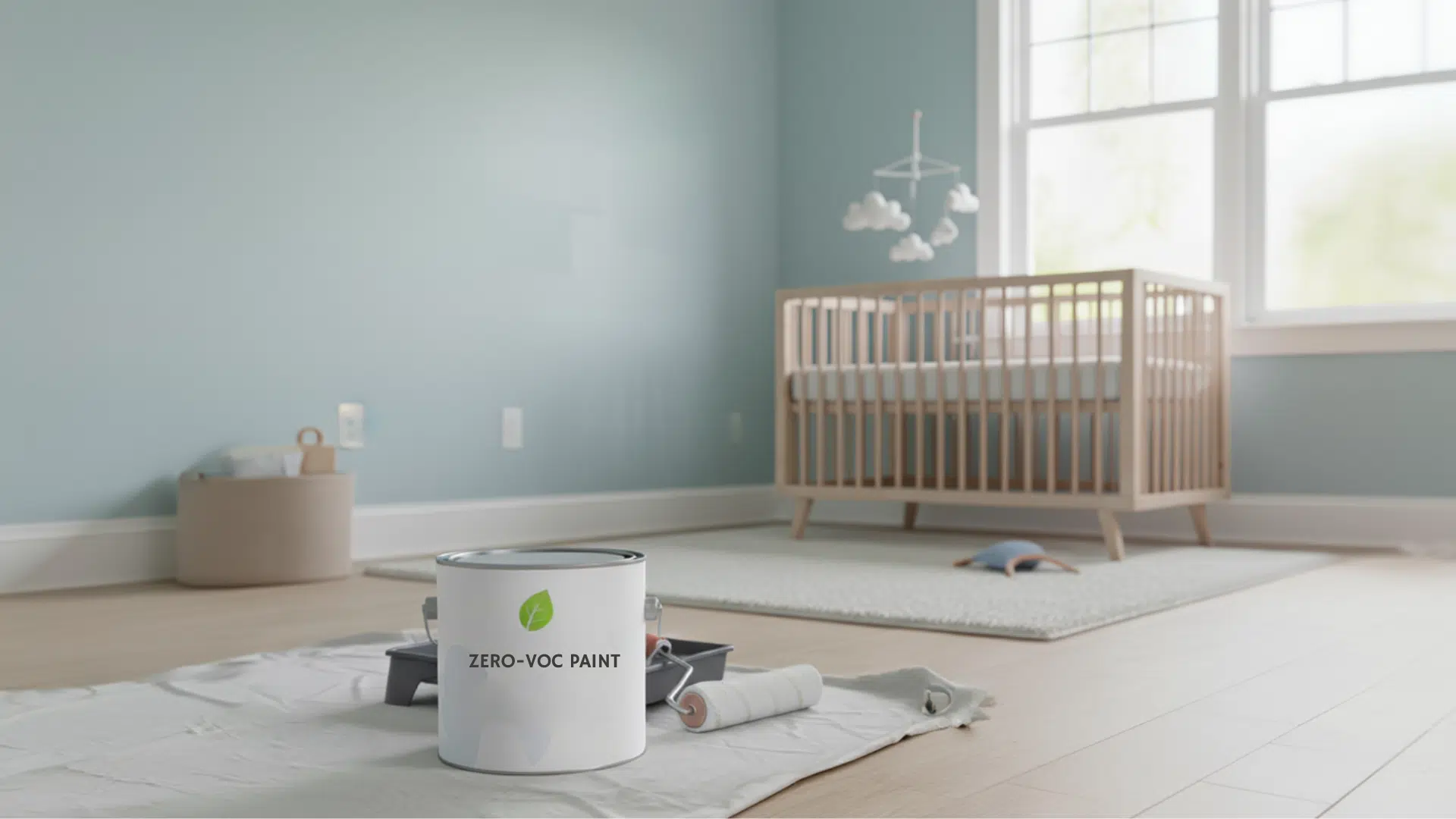
These paints dramatically reduce harmful emissions while still providing excellent coverage and durability. They’re perfect for bedrooms, nurseries, and living areas where people spend most of their time.
The color selection rivals traditional paints, and they dry faster with minimal odor. Most major brands now offer low-VOC options at comparable prices to standard interior paints.
2. Milk Paint or Natural Paint Options

Made from natural ingredients like milk protein, lime, and clay, these paints contain zero synthetic chemicals or toxins. They create beautiful matte finishes with unique character and depth that synthetic paints can’t match.
While they require more prep work and may need a topcoat for durability, they’re completely safe for homes with kids and pets. You’ll find them in specialty stores or online retailers.
3. Water-Based Latex Interior Paint
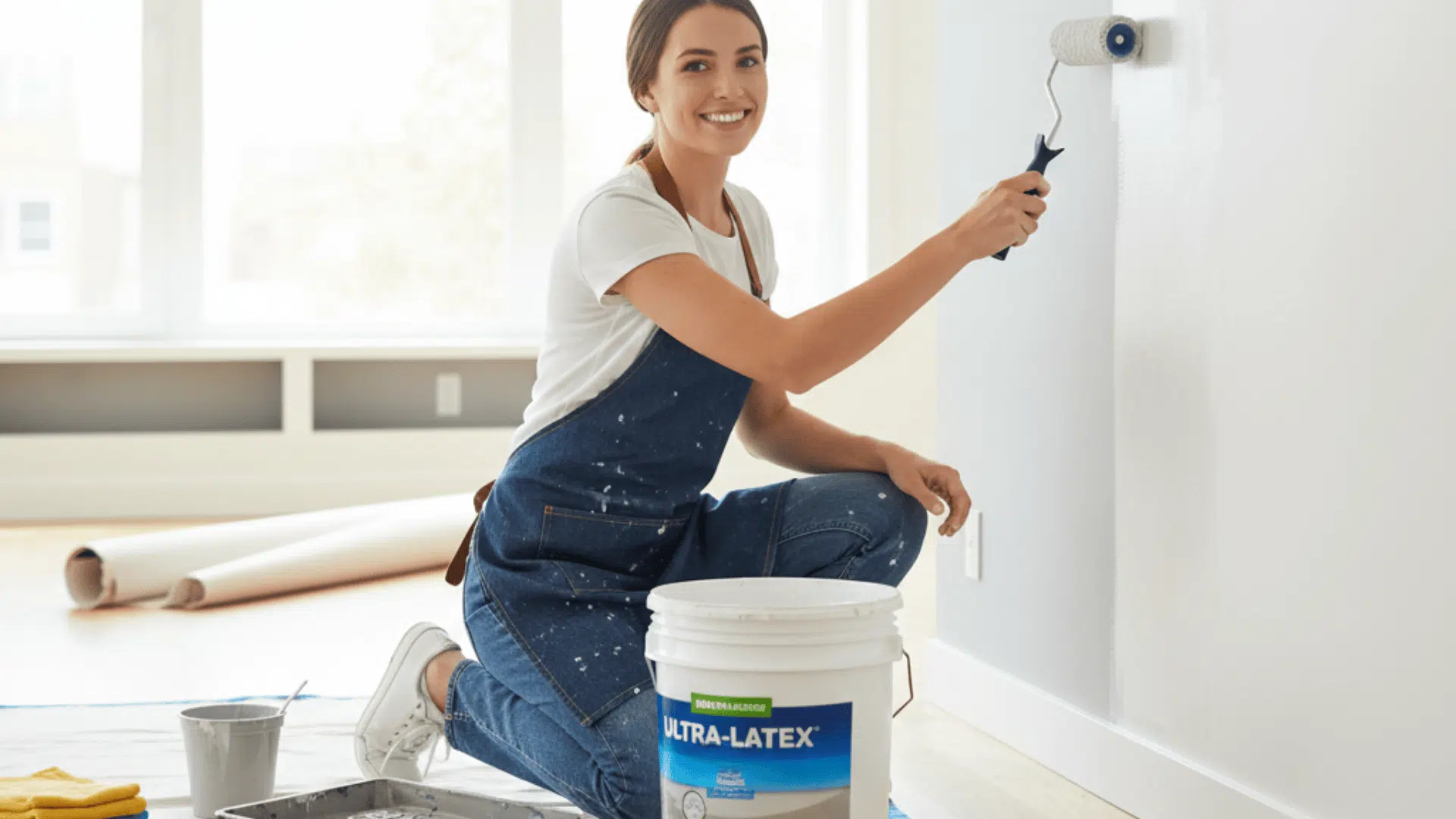
This remains the most popular choice for indoor projects because it combines safety with performance. Water-based formulas clean up easily with soap and water, dry quickly, and resist yellowing over time.
They come in every sheen imaginable, from flat to high-gloss, and work on walls, ceilings, and trim. These paints provide long-lasting color without the chemical concerns of exterior formulas.
4. Acrylic Interior Paint
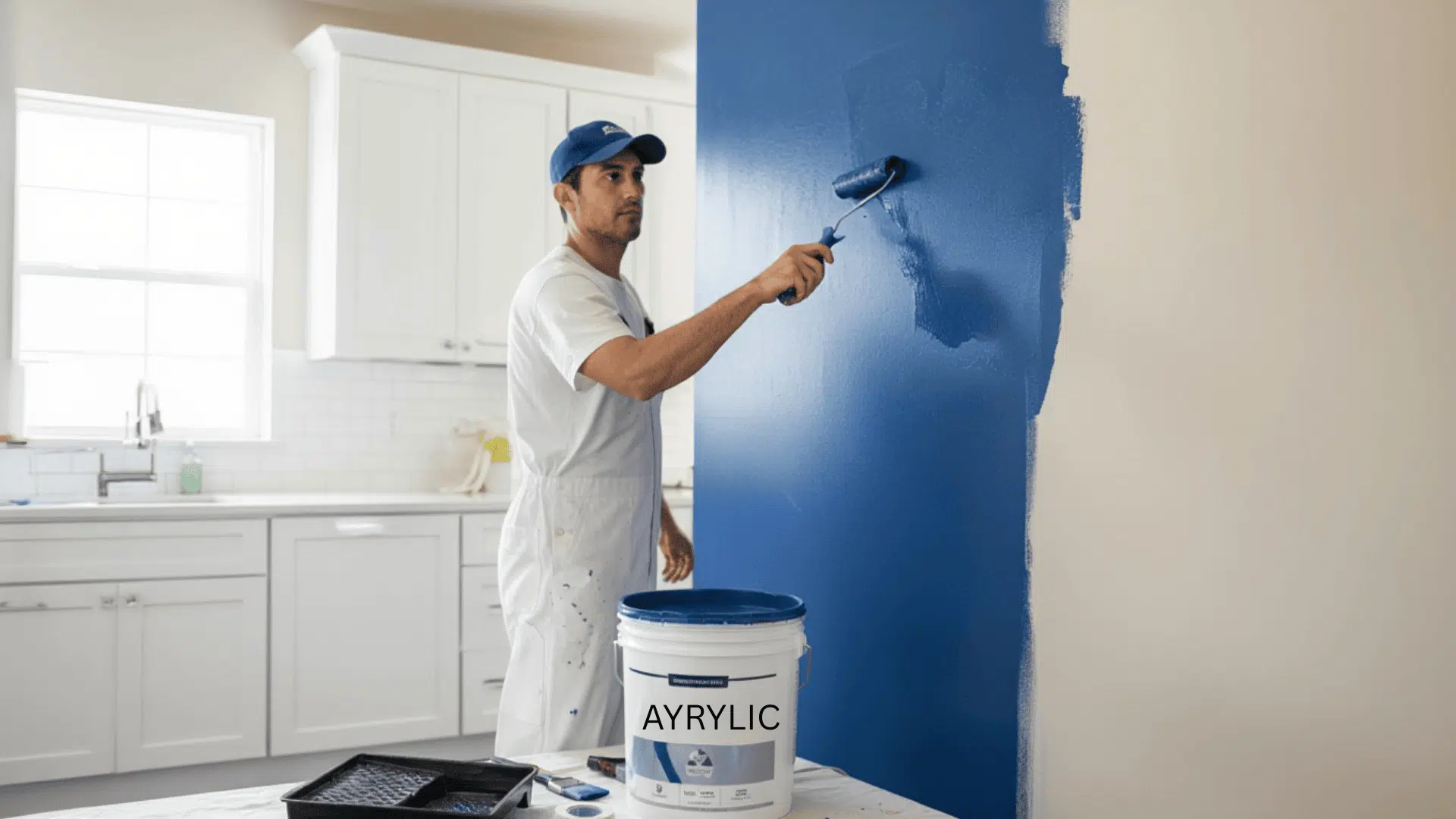
Acrylic paints offer superior adhesion and flexibility compared to standard latex options, making them ideal for high-traffic areas.
They’re moisture-resistant enough for bathrooms and kitchens without containing the harsh mildewcides found in exterior paint.
The finish stays lively for years and resists fading from indoor lighting. They cost slightly more but deliver professional results that last.
Now you’ve got safe, effective options that won’t compromise your indoor air quality. These alternatives perform just as well as exterior paint for interior surfaces, and they’re specifically formulated to keep your home healthy.
Wrapping It Up
While you can technically use exterior paint indoors, the higher VOC levels, longer drying times, and harsh odors make it a poor choice for spaces where you live and breathe daily.
Interior paint is designed to provide better comfort, safety, and the look you want in your living areas. Save that exterior paint for your deck, siding, or fence where it belongs.
If you’re planning an indoor project, invest in quality interior paint; your lungs, your family, and your finished walls will thank you for making the wise choice.