Walk into any paint store, and you’ll hear both terms thrown around like they’re completely different products. But here’s where things get interesting.
The paint industry has been keeping a little secret hidden in plain sight. I’ve dug into the chemistry, the labels, and the marketing, and what I found might surprise you.
These two “different” paints share more than most realize. The line between them is so blurred that even pros struggle to tell the difference. The truth? It’s not what the paint aisle wants you to believe.
What are Acrylic and Latex Paints?
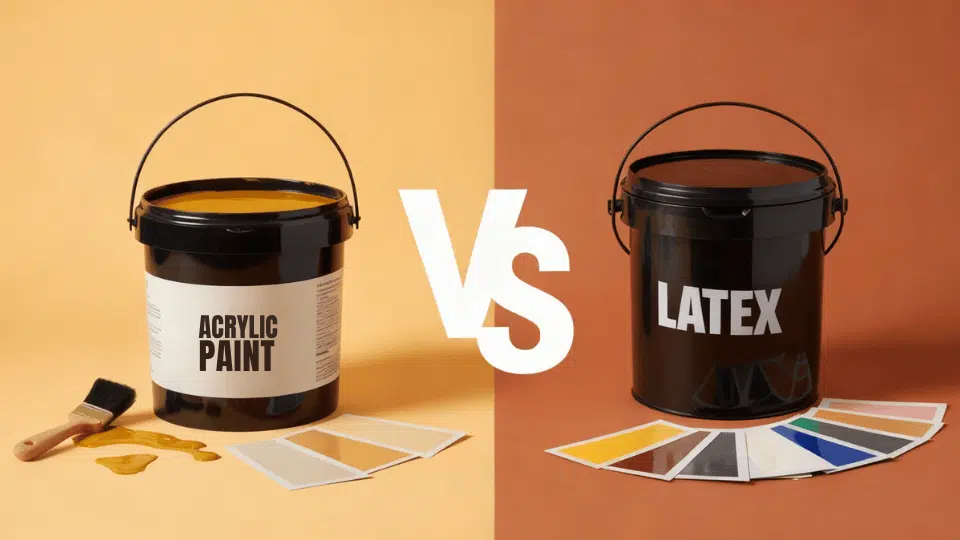
Both acrylic and latex paints fall under the water-based category, making them fundamentally different from oil-based options.
Latex paint uses synthetic latex as its binder, typically made from acrylic polymers, vinyl, or a combination of both. Acrylic paint, on the other hand, relies purely on acrylic resin as its binding agent.
This distinction is important because the binder influences how paint sticks, dries, and lasts. Although people often use the terms interchangeably in casual talk, they are not exactly the same.
Knowing the difference between acrylic and latex paint enables you to choose the best product for your particular project.
Key Differences Between Acrylic vs Latex Paint
While these paints overlap considerably, a few technical distinctions set them apart in performance and application.
| Feature | Acrylic Paint | Latex Paint |
|---|---|---|
| Base Composition | Pure acrylic resin binder for superior adhesion and flexibility | Blend of vinyl and acrylic resins for balanced performance |
| Durability | Extremely durable and resistant to cracking or peeling | Durable enough for interiors, but less suited to harsh conditions |
| Flexibility | Adapts well to temperature and surface movement | More rigid, may crack outdoors over time |
| Finish Quality | Smooth, even finish ideal for high-visibility areas | Great coverage for large interior surfaces |
| Drying Time | Faster drying, allowing multiple coats in less time | Slower drying, easier for beginners to apply evenly |
| Ease of Use | Requires more precision and surface prep | Easy application and cleanup with soap and water |
| Cost | Higher price point due to pure acrylic content | More affordable and widely available |
Choosing the Right Paint for Interior Projects
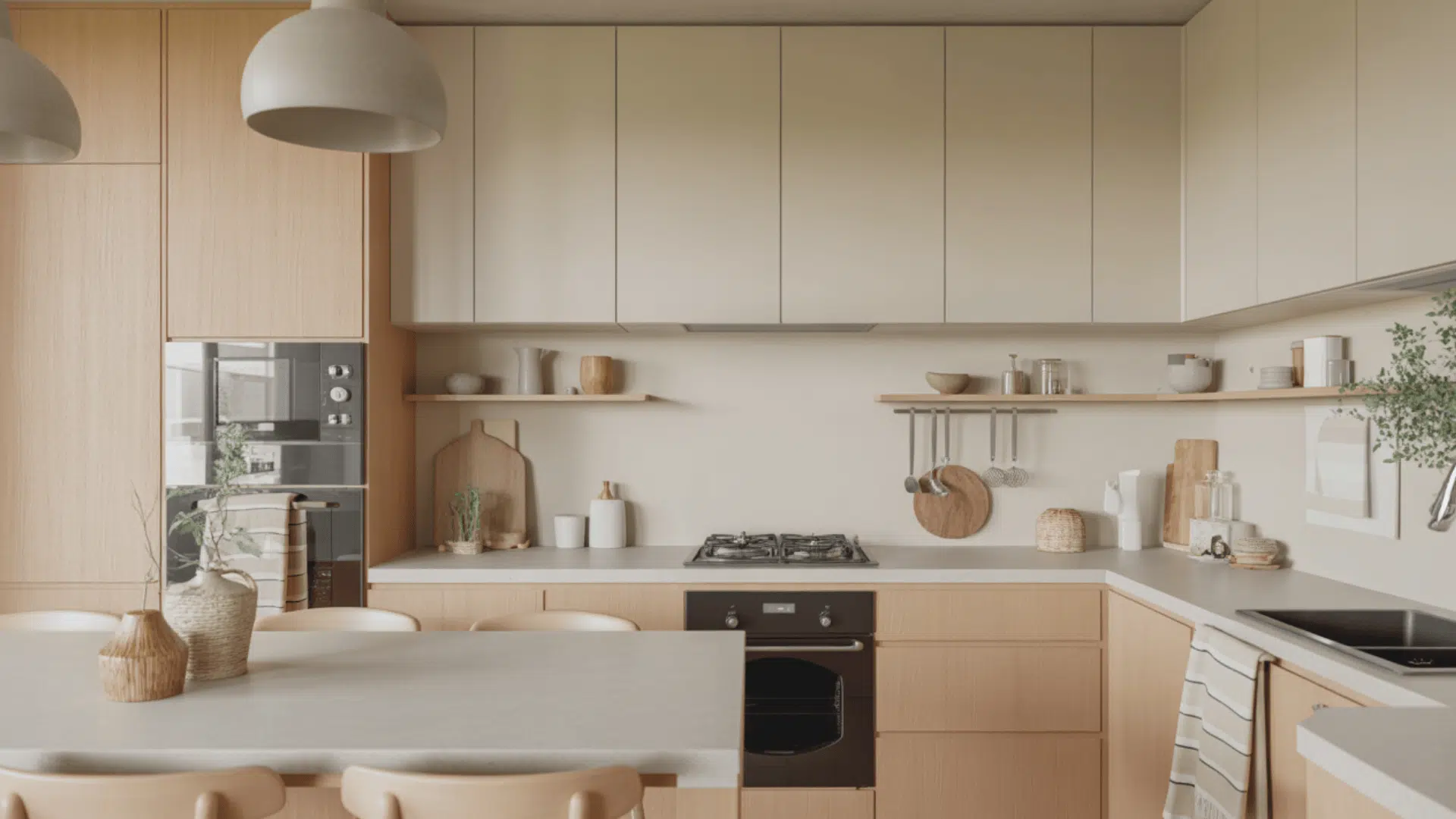
Your interior walls deserve paint that matches their specific needs, from moisture resistance in bathrooms to durability in high-traffic hallways.
1. Living Rooms and Bedrooms

These spaces benefit from matte or eggshell finishes that hide wall imperfections while creating a refined atmosphere. Choose paints with low-VOC formulations to maintain healthy indoor air quality where families spend significant time.
Color selection should complement natural lighting patterns, with cooler tones for south-facing rooms and warmer hues for north-facing spaces.
2. Trim and Molding

Semi-gloss or high-gloss paints work best for trim because they’re highly durable and easy to clean from fingerprints and scuffs.
The sheen creates visual contrast against matte walls, making architectural details pop and adding depth to room design. Oil-based or hybrid formulations provide the smoothest finish and resist yellowing better than standard latex options.
3. Ceilings

Flat or matte ceiling paint minimizes light reflection and conceals minor surface irregularities that would be highlighted by shinier finishes. Specialized ceiling paints are formulated to be thicker, reducing drips during overhead application.
White remains the standard choice because it maximizes light reflection, making rooms feel more spacious and open.
4. Low-Traffic Areas

Guest rooms, formal dining rooms, and home offices can use premium matte finishes that prioritize beauty over extreme durability.
These spaces allow for bolder color experimentation since they won’t show wear patterns from constant use. A single quality coat over a proper primer is often sufficient, making these areas more budget-friendly to paint.
Exterior Residential Projects
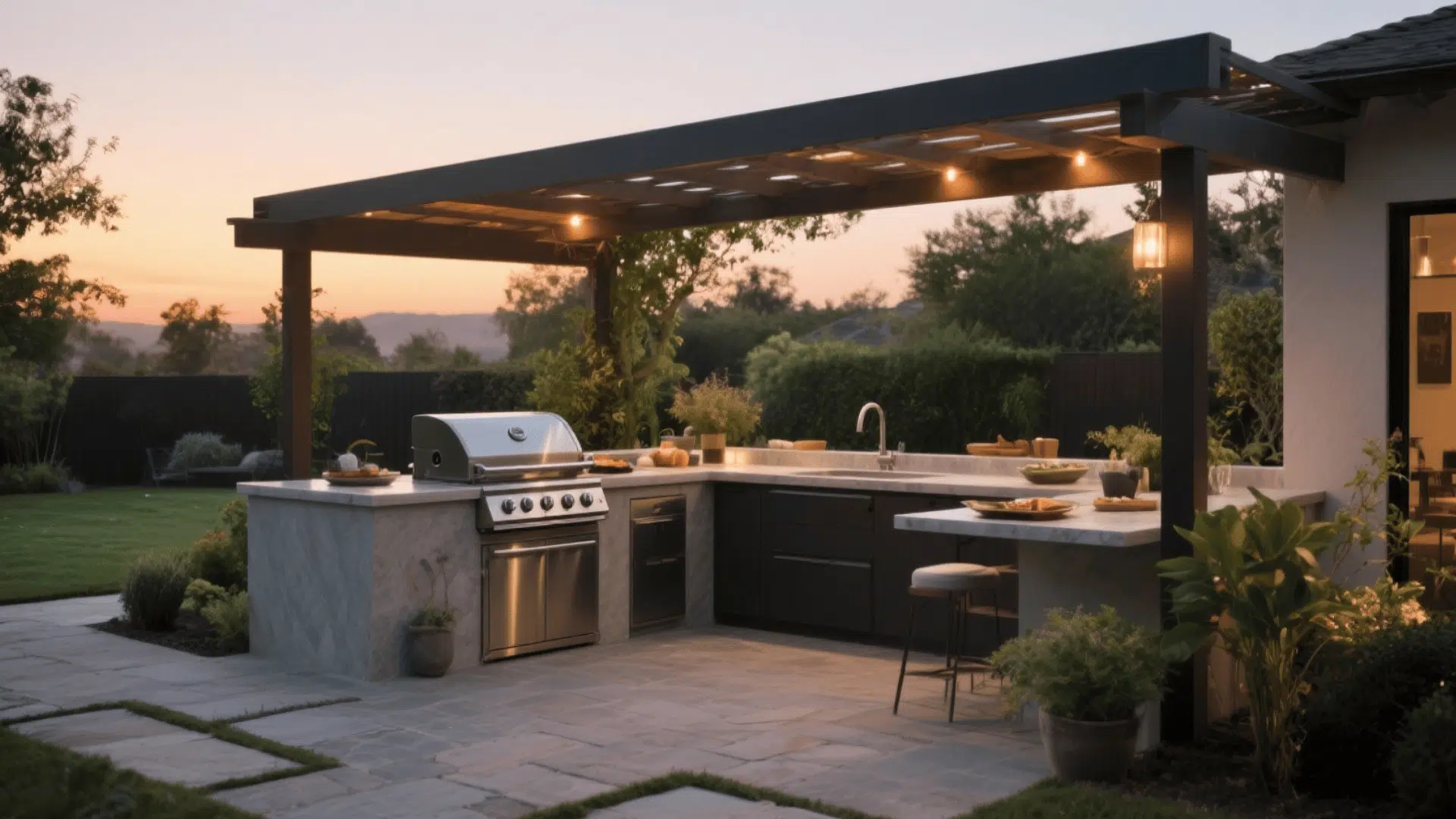
When weighing acrylic vs latex paint for exterior projects, weather resistance and longevity become the deciding factors for your home’s protection.
1. Siding and Walls

Durable acrylic or latex paints are best suited for exterior walls, including wood siding, stucco, and masonry. Acrylic paints offer excellent adhesion and UV resistance, minimizing cracking and peeling over time.
These formulations also allow trapped moisture to escape through breathable membranes, preventing blistering and paint failure.
Look for products with mildew-resistant additives in humid climates to extend the life of your exterior finish.
2. Trim and Doors

Oil-based or alkyd paints are preferred for exterior trim and doors, delivering a hard, smooth finish that resists wear, moisture, and weather effects.
The slower drying time allows for better leveling and reduces visible brush marks for a professional appearance. Modern alkyd formulations offer easier cleanup than traditional oil-based paints while maintaining superior durability and gloss retention.
3. Decks and Porches

Specialized exterior deck paints and stains provide moisture resistance, UV protection, and slip-resistant surfaces ideal for wooden decks and porches subjected to heavy foot traffic.
Semi-transparent stains allow wood grain to show through while providing protection, whereas solid stains offer more complete coverage and color options.
4. Fences and Outdoor Structures

Acrylic or latex formulations with mildew resistance help maintain the appearance and longevity of fences, pergolas, and sheds exposed to outdoor conditions.
These paints flex with temperature changes, preventing cracking on wood surfaces that expand and contract seasonally.
Spray application can significantly reduce painting time on fences with intricate pickets or lattice work.
5. Garage Doors and Metal Surfaces

Oil-based or specialty exterior paints protect garage doors, metal railings, and wrought iron fences from rust and fading, providing durable, attractive finishes.
Direct-to-metal (DTM) paints remove the need for separate primers on properly prepared metal surfaces.
These formulations contain rust inhibitors that create a protective barrier against moisture and oxidation for years of maintenance-free performance.
Commercial Applications
Commercial spaces face significantly more wear than residential interiors. Constant foot traffic, frequent cleaning, and operational demands require paints that maintain appearance under pressure.
Understanding the latex vs acrylic paint options available helps facility managers make informed decisions for long-lasting results.
1. Office Buildings and Conference Rooms

Pure acrylic paints withstand repeated cleaning without loss of sheen or color, maintaining a professional look longer between maintenance cycles.
Neutral color palettes in satin or eggshell finishes create beautiful environments that remain current through changing design trends.
2. Retail Spaces

Storefronts and shopping areas benefit from acrylic’s excellent coverage and touch-up capabilities, enabling seamless repairs to minor damage.
Quick-drying formulations allow for overnight repaints without closing stores during business hours.
Vibrant, on-brand colors maintain their intensity under bright retail lighting, creating inviting environments that enhance the shopping experience.
3. Healthcare Facilities

Hospitals and clinics require paints that tolerate frequent disinfection and harsh cleaning agents, with acrylic formulations offering superior chemical resistance.
Anti-microbial additives inhibit bacterial growth on painted surfaces, supporting infection control protocols. Light-reflective finishes in soothing colors create calming environments while maximizing visibility for medical staff and patient safety.
4. Schools and Universities

High-traffic hallways and classrooms need impact-resistant, scrubbable paints that reduce maintenance frequency under heavy daily use.
Flat or matte finishes with advanced scrub-resistance technology hide surface imperfections while standing up to vigorous cleaning.
Environmentally friendly products with green certifications ensure healthy indoor air quality for students and staff spending extended hours in these spaces.
5. Hospitality Venues

Hotels and restaurants demand smooth finishes that impress guests and photograph well and acrylic’s self-leveling properties meet these needs.
Rich, saturated colors and specialty finishes, such as metallic or textured paints, create memorable brand experiences and Instagram-worthy backdrops. Stain-blocking primers and topcoats protect high-end finishes from food spills, wine splashes.
Best Practices for Application
The right application technique makes all the difference. Following these key steps helps you get professional-looking results with either paint type.
- Apply when temperatures are between 50-85°F and stir paint thoroughly before starting
- Use quality synthetic brushes and rollers made for water-based paints
- Apply thin, even coats instead of one thick layer to avoid runs and drips
- Clean your tools right away with soap and water before the paint dries
- Test colors in different lighting before painting entire surfaces
These simple practices prevent common mistakes and help your paint job last longer, regardless of which type you choose.
Making the Smart Paint Choice
Modern latex paints are acrylic-based, so they’re essentially the same. Focus on acrylic percentage—higher amounts offer better durability, lower amounts save money.
I recommend checking the product details instead of worrying about the name. Look at the acrylic percentage, think about where you’re painting, and match the paint quality to your needs. That’s how you’ll get good results.
The right paint depends on your surface, your budget, and how much wear it needs to handle.