
Kitchen renovations cost more than you think. Most people have a budget of around $15,000 to $25,000, but final bills often climb higher.
The problem? No one explains where the money actually goes.
This breakdown shows you the real kitchen renovation costs. You’ll see what cabinets, countertops, appliances, and labor actually run, as well as the hidden expenses people forget.
We’re covering the full picture so you can plan a budget that works and avoid those “how did it cost this much?” moments later. Let’s get into the numbers.
Average Cost of Kitchen Remodels
Kitchen renovation costs depend on the project’s scale, materials, and finish quality. Below is a clear breakdown of five remodel tiers, what they usually include, and their average price range.
| Tier | What It Includes | Average Cost |
|---|---|---|
| Basic Refresh | Fresh paint, updated lighting, minor fixture replacements, and hardware swaps without layout changes | $8,000 – $20,000 |
| Minor Remodel | Entry-level cabinetry or refacing, modern sink and faucet, new flooring, and energy-efficient appliances | $14,000 – $41,000 |
| Mid-Range Remodel | Semi-custom cabinets, upgraded countertops, improved layout flow, backsplash, and mid-tier appliances | $50,000 – $70,000+ |
| Upscale Remodel | Custom cabinetry, premium surfaces, open-concept design changes, and professional-grade appliances | $70,000 – $150,000+ |
| Luxury Custom Remodel | Fully personalized layout, structural work, high-end finishes, integrated smart tech, and bespoke materials | $150,000 – $200,000+ |
Fact-check: Most full remodels average between $150 – $350 per ft², varying by location, size, and finish quality.
Cost by Kitchen Types
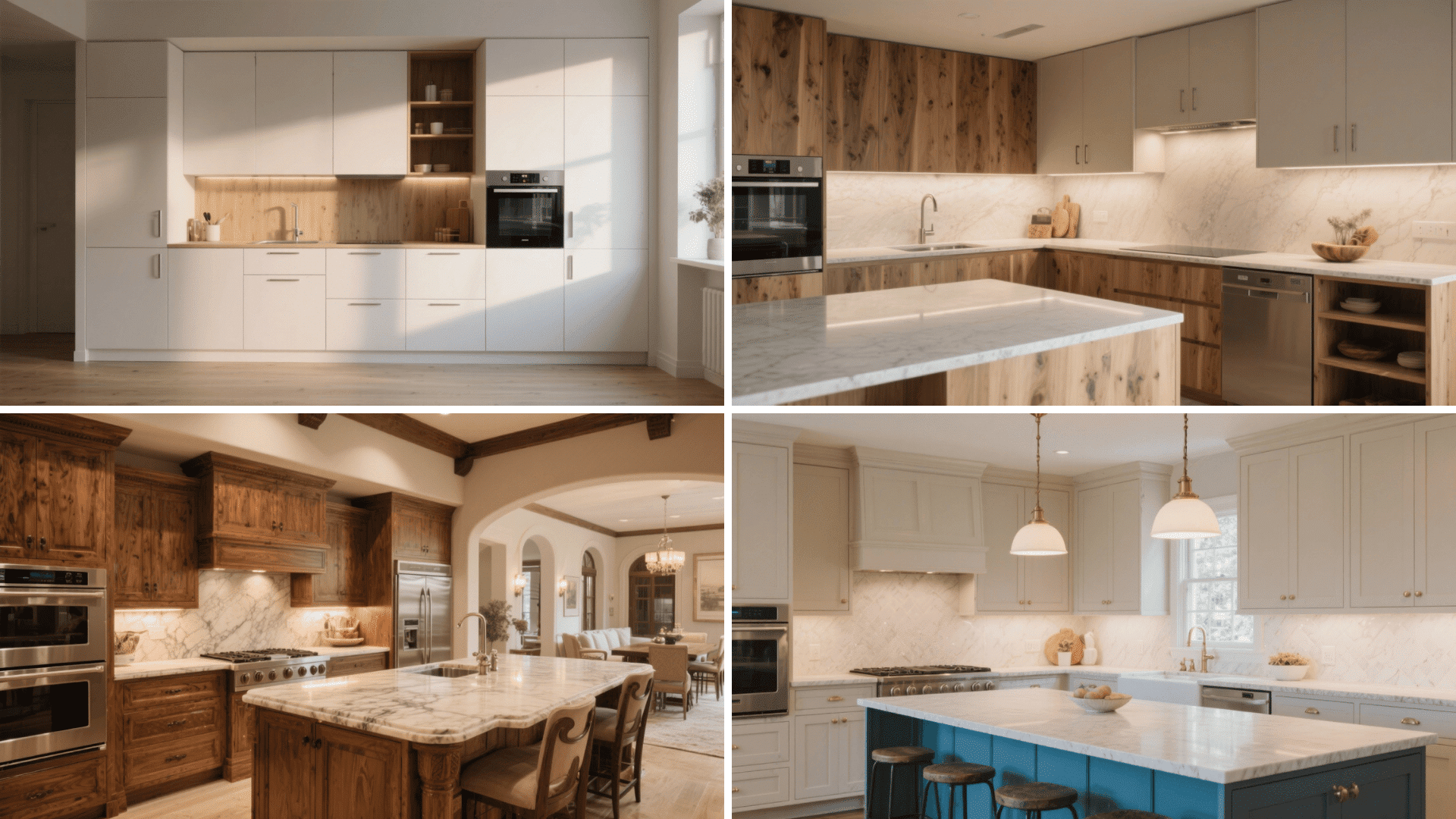
Kitchen pricing also depends on how it’s built and customized. From modular to fully custom designs, each kitchen type offers different flexibility, finish quality, and price range.
Here’s a quick breakdown of common U.S. kitchen types and their average costs:
- Modular Kitchen ($10,000 – $25,000): Factory-made units installed on-site; quick, clean, and space-efficient
- Semi-Modular Kitchen ($20,000 – $40,000): Mix of prefabricated units and custom elements; balances cost and design flexibility
- Custom Kitchen ($50,000 – $120,000+): Fully tailored design built to order by carpenters or millworkers; premium craftsmanship and fit
- Stock Kitchen ($8,000 – $20,000): Pre-built cabinets and fixtures from retailers like IKEA or Home Depot; economical but limited customization
- Transitional Kitchen ($30,000 – $70,000): A blend of modern and traditional elements; customized for both style and practicality
Factors Affecting the Cost of a Kitchen Remodel
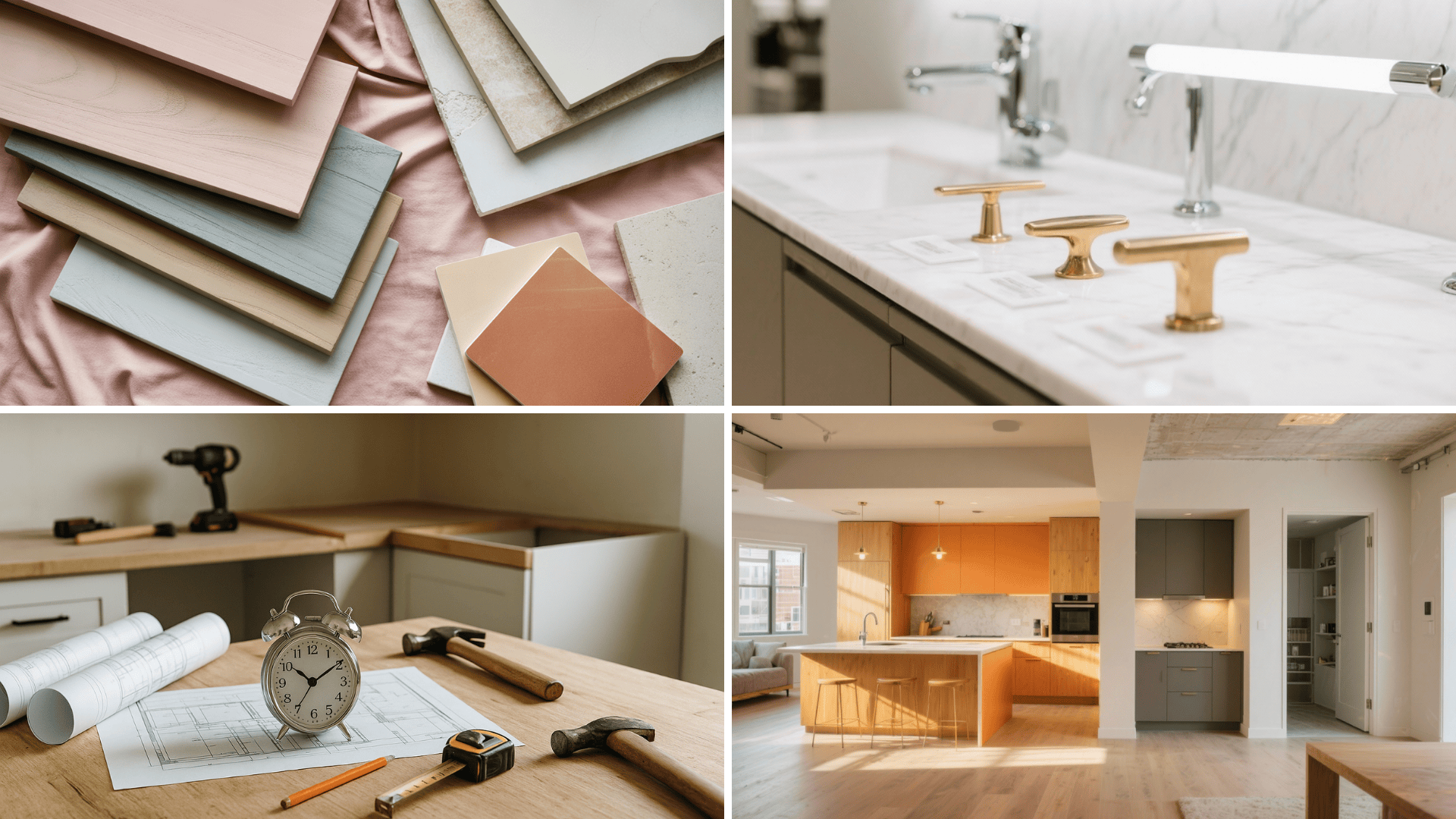
Understanding what drives kitchen renovation costs helps you plan smarter and avoid budget surprises. Here are some key elements that’ll impact your bottom line.
1. Kitchen Size
Smaller kitchens focus on space-saving updates, while medium kitchens balance style and function affordably. Larger kitchens require more materials, labor, and premium finishes.
Understanding your kitchen’s size helps estimate realistic renovation budgets and design expectations.
2. Raw Materials
Your cabinet boxes, countertop slabs, and flooring make up a huge chunk of your budget. These are the foundational elements that form the backbone of your kitchen.
Quality varies dramatically here; solid-wood cabinets cost more than particleboard, and natural-stone countertops cost more than laminate by a wide margin.
3. Finishing Materials
Custom cabinets built to your exact specs can cost three to five times as much as stock cabinets from a big-box store. The same goes for hardware, fixtures, and appliances.
High-end finishes like brass faucets or imported tile backsplashes elevate the look but also the price. You’ll need to decide which splurges are worth it and where you’re comfortable saving.
4. Time and Labour
Labour often eats up 20-35% of your total budget. Skilled contractors, electricians, and plumbers don’t come cheap, and their expertise ensures everything’s installed safely and correctly.
Complex jobs take longer, which means higher labour costs. Rushing a project rarely saves money, either, since mistakes cost more to fix than doing it right the first time.
5. Property Type
Multi-unit buildings often require board approvals, architect-stamped plans, and specific working hours that can drag out timelines.
You might need special insurance certificates or have restrictions on noise and construction debris removal. These administrative hurdles add both time and money to your project.
6. Execution Costs
Plumbing and electrical work require licensed professionals, and changing your kitchen’s footprint often means updating permits and dealing with structural considerations.
Even seemingly small changes like moving your stove to a different wall can cascade into expensive modifications. Stick with your current layout if you want to keep costs down.
7. Regional Variations
Labour rates in New York City or San Francisco can be double or triple what you’d pay in smaller markets. Material costs also vary by region and supplier availability.
Permit fees, inspection requirements, and even seasonal demand affect pricing. Get local quotes rather than relying on national averages, since your zip code determines your real costs.
Every kitchen remodel is unique, and these factors combine in different ways depending on your specific situation.
The Right Way to Plan Your Kitchen Remodel
A successful kitchen remodel doesn’t happen by accident; it takes thoughtful planning and realistic expectations. Breaking the process into clear steps helps you stay organized and avoid costly mistakes.
Here’s how to approach your project from start to finish.
- Define Your Goal: Are you fixing poor functionality, like inadequate storage or an awkward workflow, or boosting your home’s resale value before listing? Your goal shapes every decision that follows.
- Set a Budget Realistically: Use the ballpark figures we covered earlier: $15,000 to $50,000 for most projects, as your starting point. Factor in financing options if needed
- Think About ROI: Consider how much value your remodel might add to your home’s worth. Minor remodels typically recoup 70-80% of costs at resale, while major renovations vary more widely
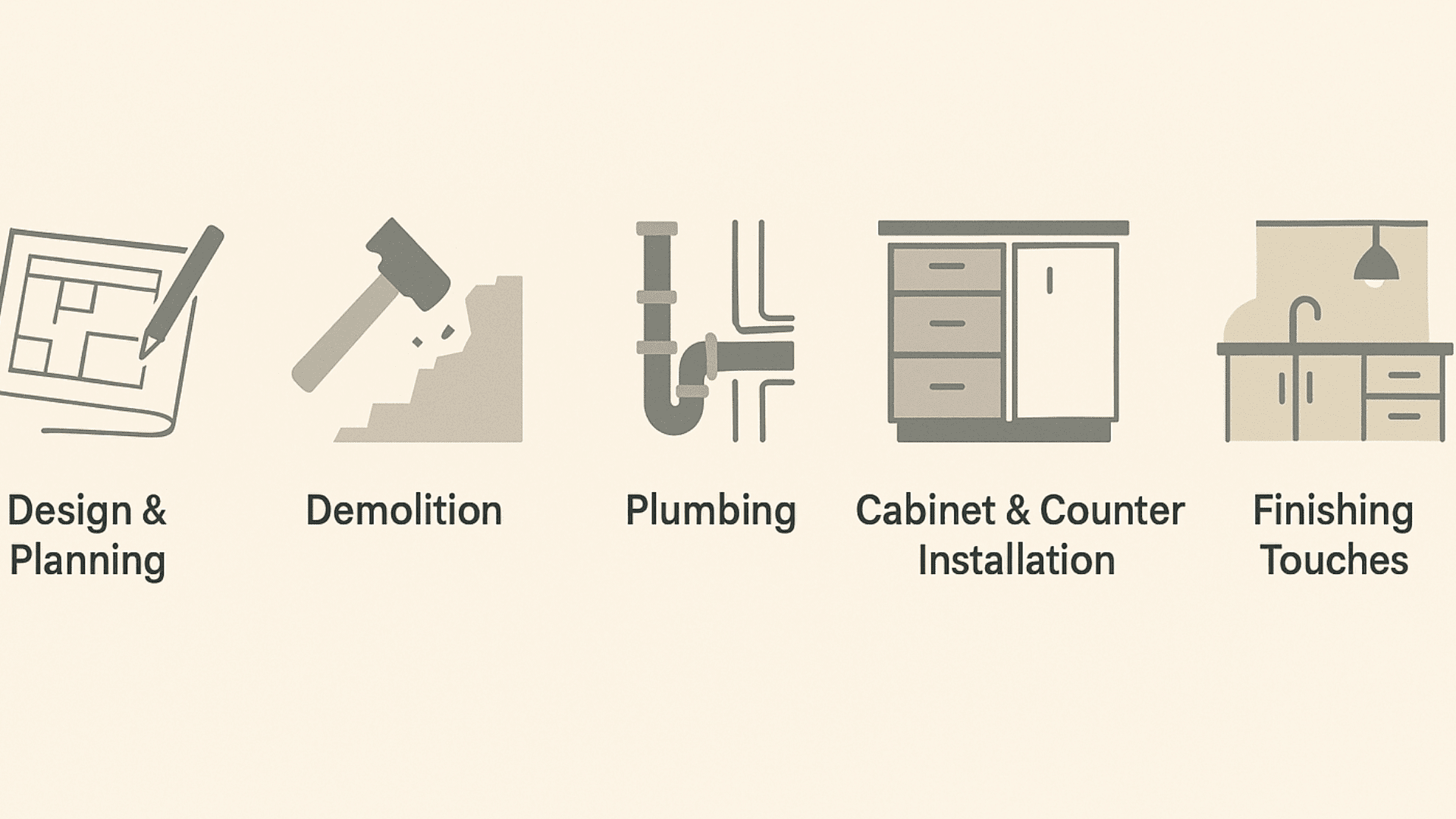
- Break Into Phases and A Timeline: Project stages: design and planning, demolition, rough work (plumbing and electrical), cabinet and counter installation, and finishing touches (6–12 weeks)
- Get Quotes and Build in Contingency: Interview at least three contractors, compare bids, and verify references. Shop around for materials, as prices vary, and keep 10–20% of your budget for unexpected costs
Planning thoroughly up front saves you headaches and money down the road. Take your time with these steps, and you’ll set yourself up for a remodel that meets your goals.
Community Tips Regarding Kitchen Remodel
Here are real-life situations of kitchen remodeling gathered from Reddit, Facebook, and Quora to help you learn from others’ experiences:
1: How long does a kitchen remodel typically take?
Most projects finish in about 6–12 weeks, though major overhauls can stretch longer depending on size, layout changes, and material delays.
2: What do people really spend on a kitchen remodel?
Average costs in the U.S. range from approximately $14,000 to $41,000 for moderate remodels and up to $70,000+ for high-end jobs.
3: How many contractor bids should I get before hiring?
People suggest interviewing at least three contractors, comparing detailed bids, checking references, and portfolios before committing.
4: What real-life kitchen remodel cost examples do people share?
People often mention figures like “We did a full gut and paid about $45 k” or “We upgraded for around $20 in our modest kitchen.”
5: What materials/design choices helped control costs?
Many recommend choosing durable, ageless materials rather than chasing trends you’ll tire of; focus on storage, workflow, and lighting rather than purely fine upgrades.
Is Remodeling a Kitchen a Good Investment?
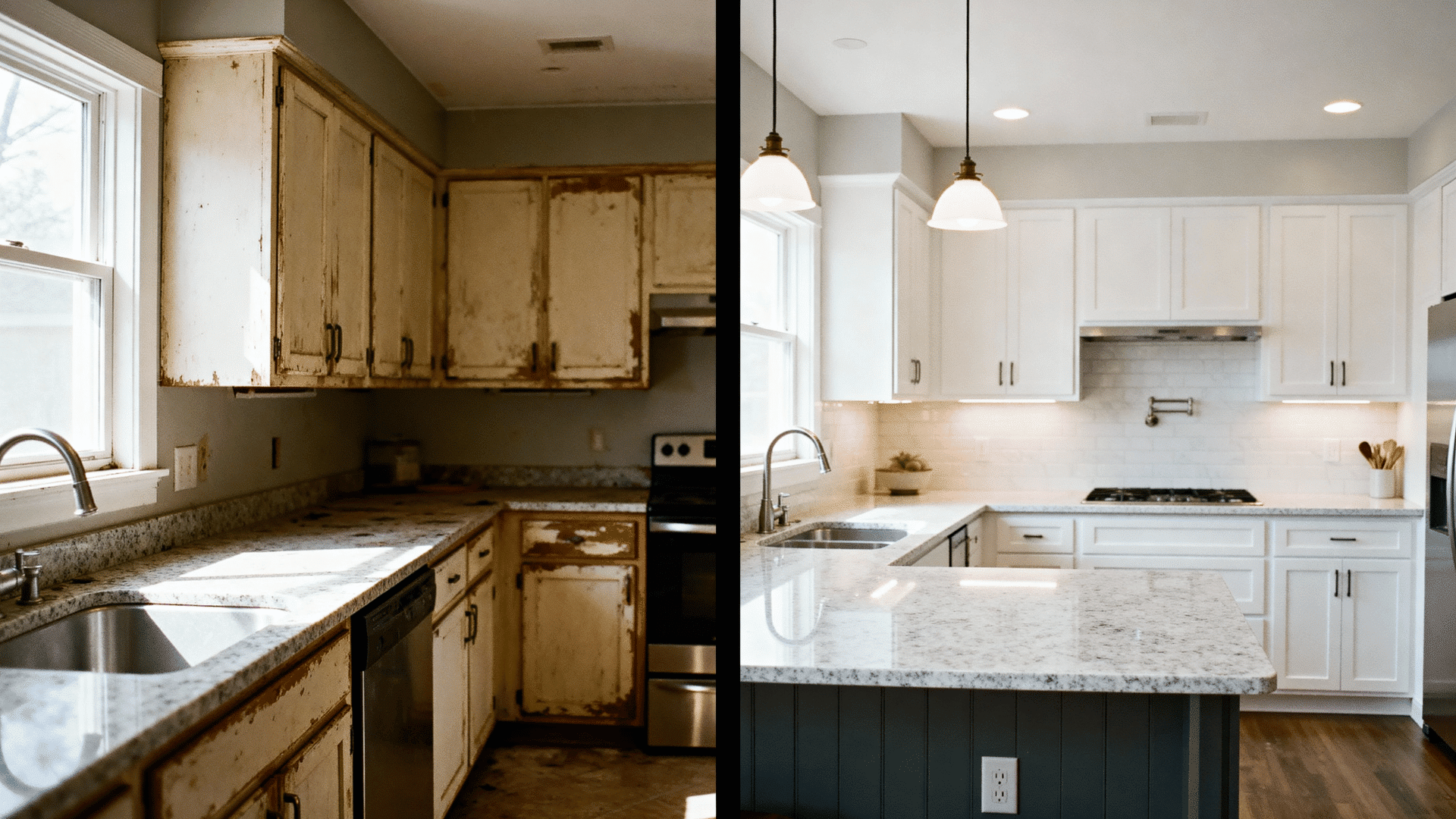
Here’s the honest answer: it depends on how you approach it. A well-planned kitchen remodel typically delivers solid returns, both financially and in daily living quality.
- The Numbers Tell the Story: Minor kitchen remodels recoup 70-85% of costs at resale, while major overhauls hover around 50-60%. That gap matters when you’re deciding how much to spend
- Lifestyle Value Counts Too: If you’re staying put for years, better workflow and storage improve your daily life immediately; that’s worth something beyond resale figures
- The Risk of Overdoing It: Kitchen renovation costs spiral out of control when finishes don’t match your neighborhood. Imported marble in a starter home rarely pays off
- Smart Upgrades Win: Focus on functionality, storage, quality lighting, and neutral materials like quartz counters. These appeal to both you and future buyers
A kitchen remodel is a good investment when you balance your personal enjoyment with market realities. Spend wisely on features that support daily use and appeal to future buyers, and you’ll come out ahead both ways.
Final Thoughts
Kitchen remodels don’t have to feel overwhelming when you understand the numbers upfront.
I’ve covered realistic budgets, the key factors driving kitchen renovation costs, and how to plan strategically so you invest wisely rather than just spend.
Use the cost ranges and planning steps we’ve outlined to map out your project with confidence. Start by defining your goals, setting a firm budget, and getting multiple quotes before committing.
Now I’d love to hear from you: What’s your biggest concern about kitchen remodeling costs? Have you recently completed a renovation? Drop your experiences, questions, or budget tips in the comments below.