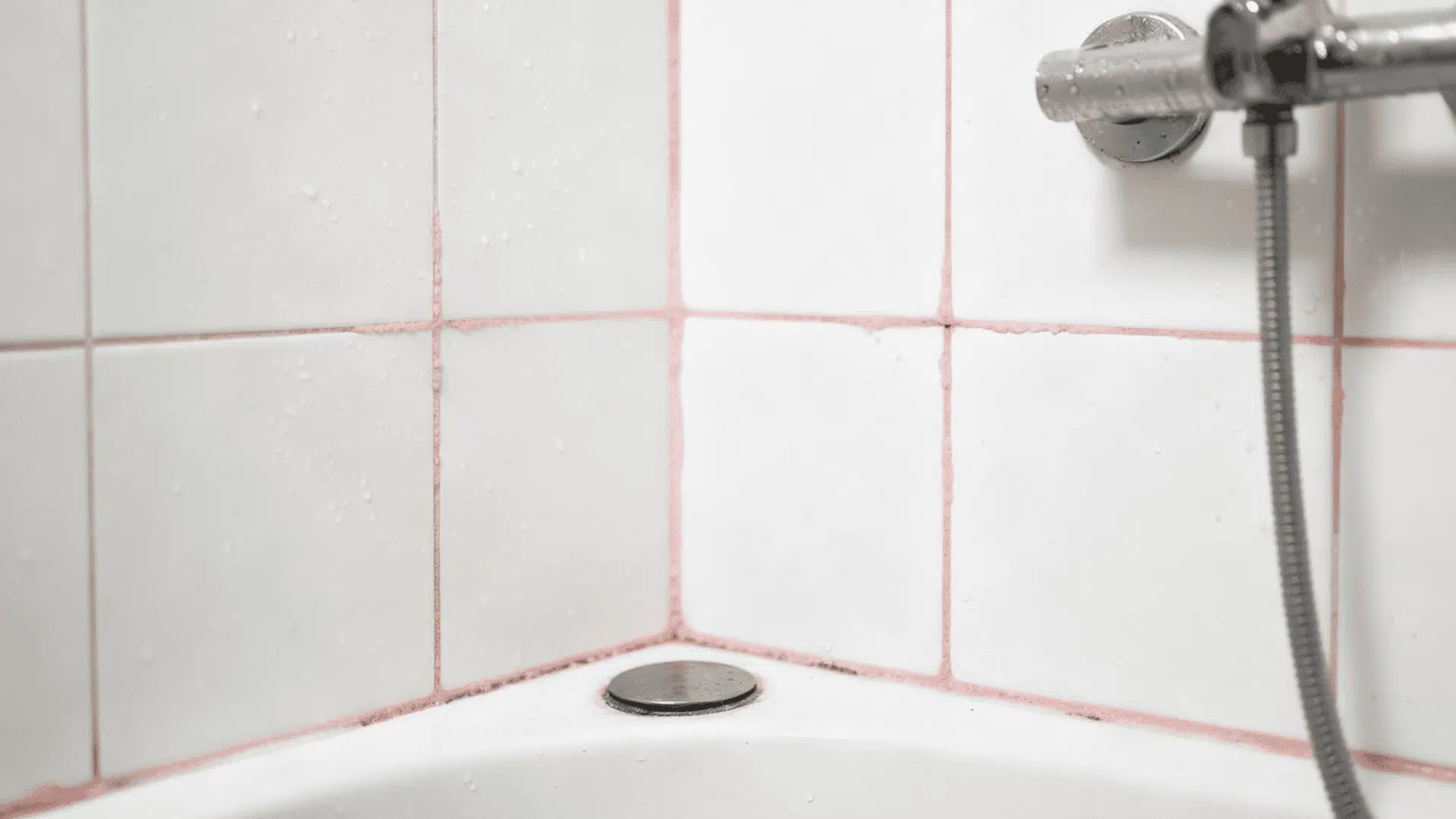
That suspicious pink film creeping across bathroom tiles looks harmless enough at first glance. Most people dismiss it as soap residue or mineral buildup, just another cleaning task for the weekend.
Yet this rosy growth returns within days, spreading faster each time despite repeated scrubbing.
The real concern isn’t the unsightly appearance. Lurking beneath that innocent-looking sheen lies something that affects more than just appeal
Moisture creates the perfect breeding ground, but understanding exactly what grows in those damp corners and why it keeps coming back reveals risks that extend beyond surface-level problems.
What is That Pink Film Actually?
The pink film forming on bathroom surfaces is a sticky biofilm that forms when moisture, soap residue, and organic particles collect in corners and grout lines.
Instead of appearing all at once, the film builds gradually as microbes feed on the leftover materials from shower routines.
The warm and humid environment accelerates this process, allowing the film to thicken and spread across nearby surfaces.
Once established, this biofilm continues to expand, making regular cleaning and moisture control essential to prevent it from reforming.
Pink Mold Vs True Mold
Pink growth in bathrooms typically consists of Serratia marcescens bacteria or Aureobasidium yeast, not traditional fungal mold.
| Pink Mold (Serratia marcescens or Aureobasidium) | True Mold (Fungal Species) |
|---|---|
| Bacteria or yeast, not a fungal organism | Actual fungi are made of spores and hyphae |
| Slimy, filmy patches in pale pink to bright orange-red | Fuzzy, powdery, or spotty patches in green, black, white, or gray |
| Slippery, slick biofilm | Dry, fuzzy, or velvety surface depending on species |
| Found in shower corners, tile grout, toilet lines, drains, bathtub edges | Found on walls, ceilings, carpets, insulation, wood, drywall, and HVAC areas |
| Forms in damp places with weak airflow and little sunlight | Spreads in porous materials and moist indoor structures |
| Can reappear fast, often within days | Spreads steadily and can become extensive if left untreated |
| Moisture-dependent and capable of rapid growth | Moisture-dependent and capable of rapid growth |
| Not a mold at all, and easier to remove | True fungi that can damage structures and trigger stronger health reactions |
Is Pink Mold Dangerous?
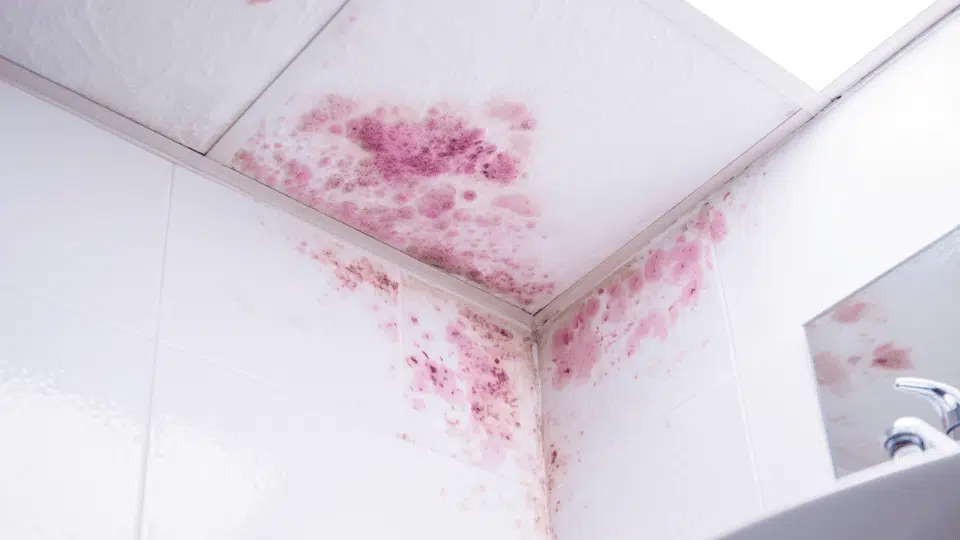
The health impact of pink bacteria depends on exposure levels, individual immune responses, and the duration of contamination in bathroom environments.
1. Health Risks for Most Healthy People
For individuals with strong immune systems, pink bacteria typically cause minor problems.
Short-term exposure might trigger mild skin irritation, respiratory discomfort from airborne particles, or gastrointestinal upset if bacteria come into contact with toothbrushes or drinking cups.
Eye irritation can occur when contaminated water splashes during bathing. These symptoms usually remain manageable and resolve quickly once proper cleaning resumes.
2. Higher Risks for Vulnerable Individuals
Certain groups are at serious risk of complications from exposure to Serratia marcescens. People with compromised immune systems, chronic respiratory conditions such as asthma, or open wounds are at risk of severe infections.
Infants and elderly individuals possess weaker defenses, making them susceptible to urinary tract infections, pneumonia, and bloodstream infections.
These populations should address pink bacteria immediately to prevent medical complications.
3. Is Pink Mold in the Shower Dangerous?
Shower environments significantly amplify the risk of pink bacteria. Hot water creates airborne droplets carrying bacteria into the lungs during breathing.
Daily skin contact with contaminated surfaces increases the risk of infection through cuts or abrasions. Warm, moist conditions allow rapid multiplication between cleanings.
Shared family showers spread bacteria among multiple people, making shower contamination more hazardous than growth elsewhere.
Tools and Materials Required for Cleaning Pink Mold
The tools and materials required depend on the chosen cleaning method, but most solutions involve basic household supplies.
These items help break down pink growth, scrub surfaces effectively, and prevent it from returning.
| Item | Purpose |
|---|---|
| Rubber gloves | Keeps hands protected from cleaning agents and bacteria |
| Scrub brush or old toothbrush | Helps reach tight corners and grout lines |
| White vinegar or hydrogen peroxide | Natural disinfectant that kills bacteria effectively |
| Baking soda | Mild abrasive to loosen stubborn residue |
| Spray bottle | Evenly applies the cleaning solution on surfaces |
| Microfiber cloth or sponge | Wipes away residue and dries surfaces |
| Mask (optional) | Avoids inhaling particles or fumes during scrubbing |
Step-by-Step Guide for Cleaning Pink Mold
Eliminating pink bacteria requires the right cleaning agents and consistent technique to prevent immediate regrowth.
Open windows or activate the bathroom fan before starting. Good airflow reduces moisture and prevents the buildup of cleaning fumes.
Put on protective gloves and a face mask to shield against bacterial exposure and harsh cleaning chemicals during the removal process.
Step 1: Spray the Affected Area
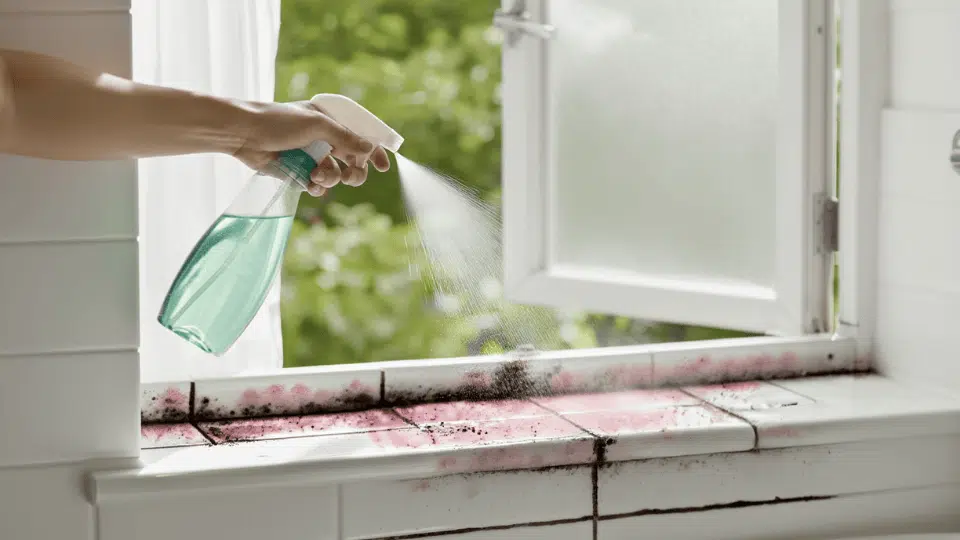
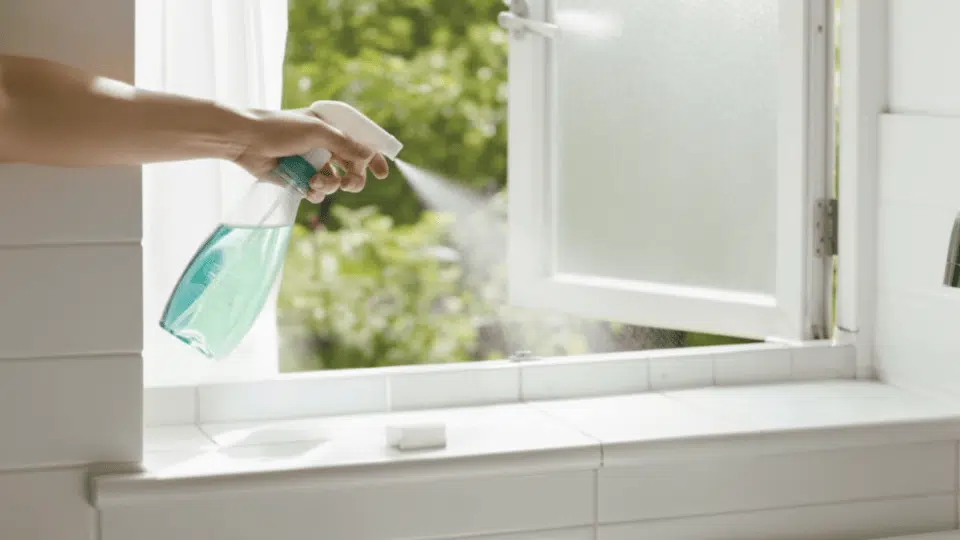
Mix equal parts white vinegar and water in a spray bottle, then coat pink-stained surfaces completely. For stubborn buildup, use hydrogen peroxide instead.
Allow the solution to sit for 10 minutes to penetrate and break down bacterial films effectively.
Step 2: Scrub Away the Pink Film
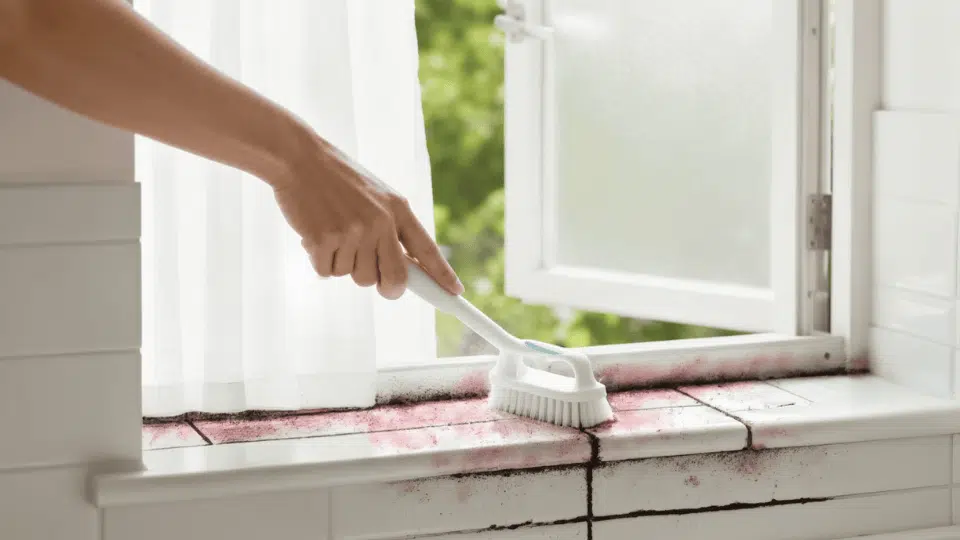
Scrub treated areas using an old toothbrush or stiff brush in circular motions. Pay special attention to grout lines, tile corners, and drain openings where pink bacteria accumulate most heavily.
Apply firm pressure to completely dislodge the slimy biofilm.
Step 3: Rinse Thoroughly
Flush cleaned surfaces with warm water to wash away loosened bacteria and cleaning solution residue. Check for remaining pink discoloration.
If traces persist, reapply cleaning solution and scrub again until surfaces appear completely clear and bacteria-free.
Step 4: Disinfect and Dry
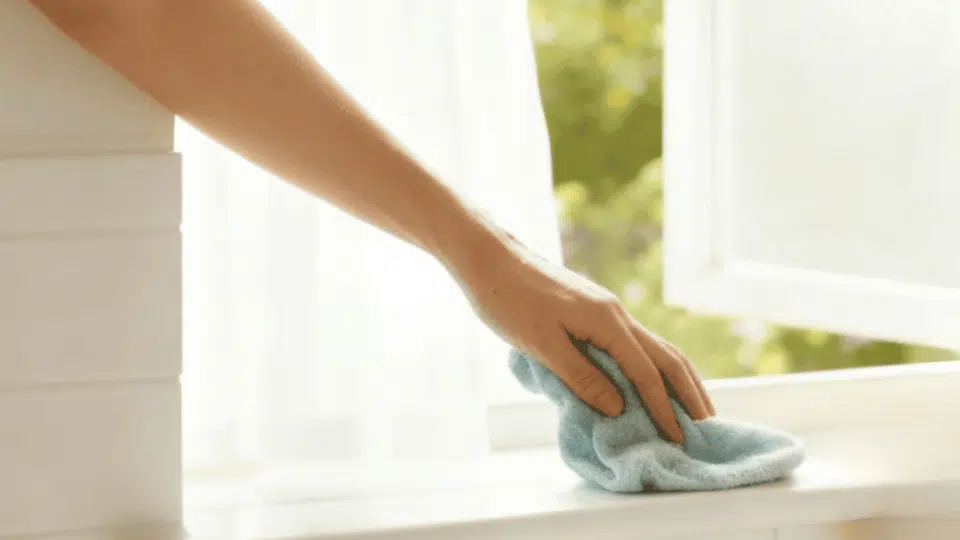
Apply a final light spray of vinegar or hydrogen peroxide for disinfection. Wipe everything dry immediately with clean microfiber cloths, eliminating moisture that can encourage bacterial regrowth.
Wash all cleaning tools thoroughly to prevent contamination elsewhere
Preventing Pink Mold from Coming Back
After cleaning, prevention is the key to keeping pink mold from returning. Regular care, good airflow, and moisture control make all the difference in stopping it from taking hold again.
- Keeping the bathroom well-ventilated by running the exhaust fan or opening a window after every shower reduces humidity and limits bacterial growth.
- Wiping tiles, faucets, and shower doors dry after use prevents lingering moisture that encourages pink mold.
- Washing or replacing shower curtains and liners every few weeks helps remove residue that can harbor pink bacteria.
- Spraying a mild vinegar-and-water solution once a week disinfects surfaces from forming new colonies.
- Cleaning around drains, grout lines, and faucet bases removes soap scum that feeds bacterial growth.
- Storing brushes, sponges, and cleaning tools in dry areas prevents contamination and helps keep bacteria from spreading to other areas.
- Checking for leaks under sinks and around tubs stops hidden moisture that promotes bacterial spread.
Conclusion
Understanding pink bacteria in bathroom spaces lets people tackle this common nuisance confidently.
While many ask whether pink mold is dangerous, the health risks remain relatively minor for most people, though prolonged exposure can cause respiratory irritation and infections.
The question of whether pink mold in the shower is dangerous depends largely on individual health conditions and how quickly the problem gets addressed.
Frequently Asked Questions
Is It Bad To Breathe In Pink Mold?
Breathing in pink mold is not ideal, especially if it has been growing for a while. Most people will not have serious reactions, but it can irritate the lungs, trigger mild coughing, or cause discomfort.
Can I Shower With Pink Mold?
You can shower, but it is not recommended. Pink mold often grows in damp, dirty areas, increasing the risk of skin irritation and bacterial contact. Showering in a clean space is always safer. Remove the pink mold first, then keep the area dry to prevent it from returning.
What To Do If Exposed To Pink Mold?
If you touched or breathed in pink mold, wash the area with soap and water and move to fresh air. Most people do not experience strong symptoms, but watch for irritation, coughing, or redness.
What Cleaner Kills Pink Mold?
Vinegar works for mild cases, but stronger cleaners are often better. Hydrogen peroxide or bleach-based bathroom cleaners can kill pink mold on non-porous surfaces. Spray the cleaner, let it sit for a few minutes, scrub the area, then rinse and dry it well.
What Pulls Mold Out Of The Air?
A HEPA air purifier can help remove mold spores from the air. Good ventilation also reduces moisture levels, which slows mold growth. Airing out the room, running exhaust fans, and using a dehumidifier can make your home less hospitable to mold and bacteria.