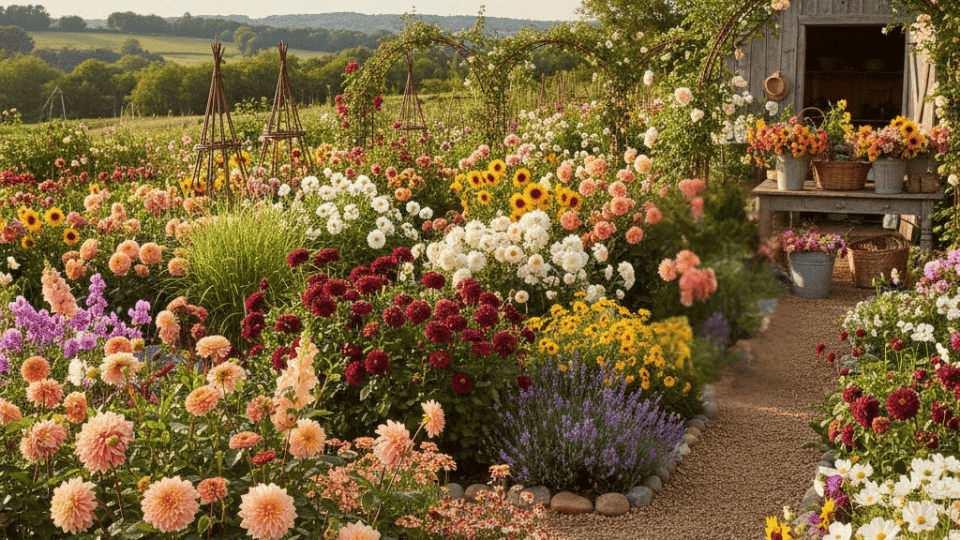
Imagine stepping into your backyard and gathering fresh flowers whenever you want; no flower shop needed. A cut flower garden provides stunning blooms for indoor arrangements all season long.
But not every flower makes the cut. Some wilt within hours, while others last weeks in a vase.
The secret lies in choosing varieties with specific qualities that ensure both growing success and lasting beauty indoors.
What Makes a Flower “Good” for Cutting?
Not all blooms grow once harvested, so understanding what separates exceptional cut flowers from mediocre ones helps build a more productive cut flower garden.
The best varieties share specific traits that ensure both growing success and lasting indoor beauty.
- Long, strong stems: At least 12-18 inches for diverse arranging
- Prolific blooming: Continuous harvest throughout the entire growing season
- Reliable appearance: Consistent color and form across multiple cuttings
- Extended vase life: Remains fresh five days or longer with minimal conditioning
- Low maintenance: Disease-resistant and beginner-friendly across various climate zones
Best Annual Flowers for a Cut Flower Garden
Annuals form the backbone of any successful cut flower garden, delivering abundant blooms from spring through fall with relatively simple care.
1. Zinnias
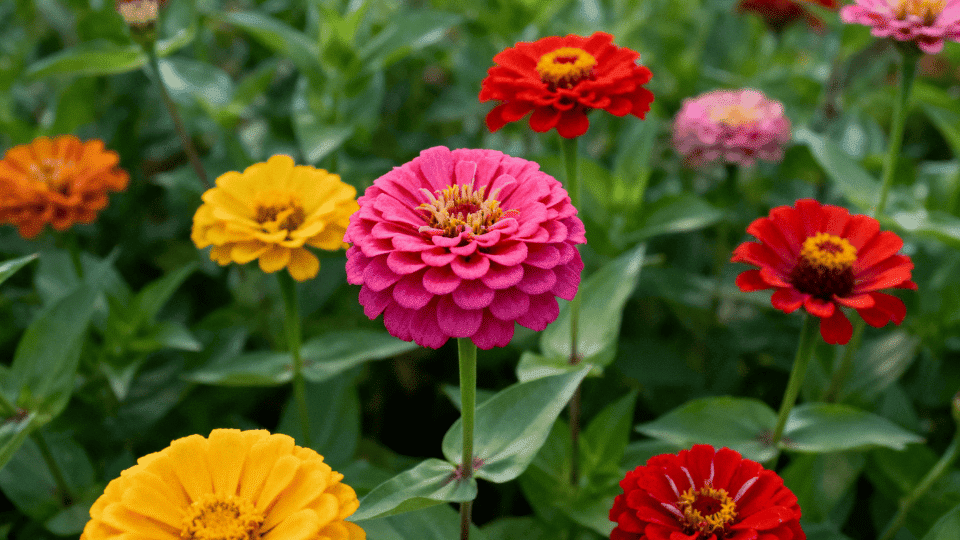
Zinnias are the undisputed champions of the cut flower garden, offering bold, dahlia-like blooms in nearly every color except blue.
These heat-loving annuals bloom continuously from midsummer through the first frost, producing stems perfect for both casual and formal arrangements.
- Appearance in arrangements: Bold, dahlia-like blooms that serve as stunning focal points in nearly every color
- Bloom season: Midsummer through first frost with continuous production
- Ideal for cutting: Stems reach 24 to 36 inches, vase life of 7 to 12 days, and prolific blooming increases with regular harvesting
2. Cosmos
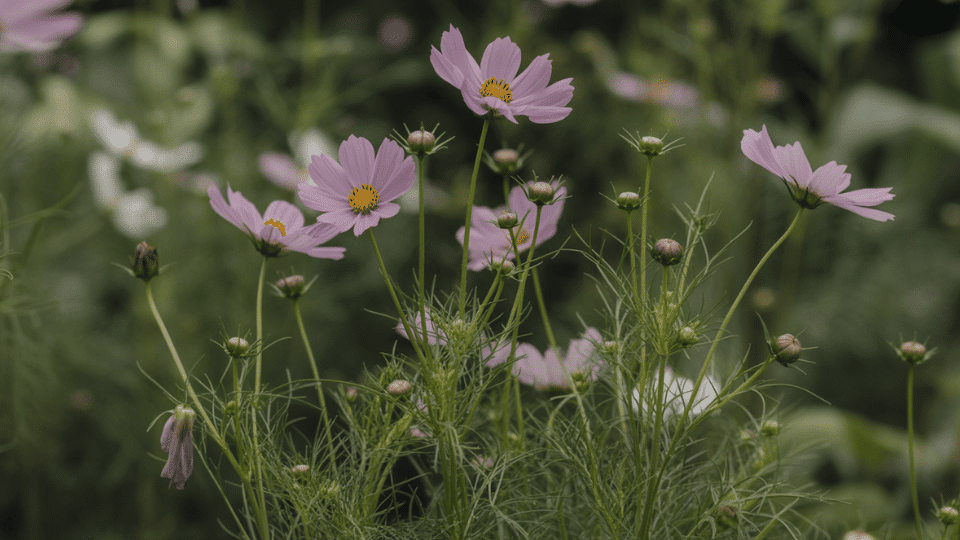
Cosmos brings an airy quality to arrangements with its feathery foliage and daisy-like flowers on impossibly thin stems.
Blooming from early summer until frost, these carefree annuals soften the look of bolder blooms while adding movement and texture.
- Appearance in arrangements: Soft daisy-like flowers with feathery foliage that add airiness
- Bloom season: Early summer through first frost with consistent production
- Ideal for cutting: Stems reach 24 to 48 inches, vase life of 5 to 7 days, and drought-tolerant plants produce dozens of blooms
3. Sunflowers
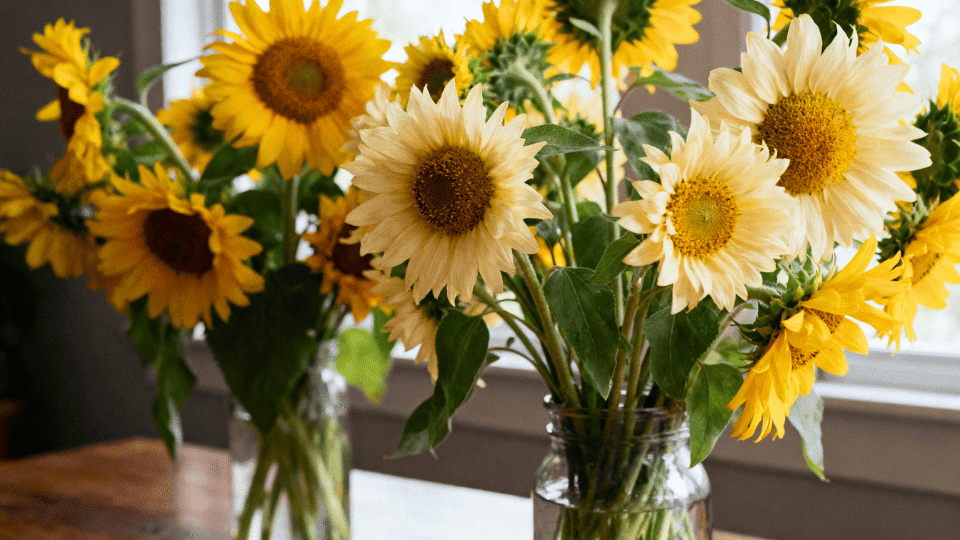
Sunflowers range from towering single-stem giants to branching varieties that produce multiple blooms on one plant.
Single-stem types such as the ProCut series are ideal for uniform, florist-quality focal flowers, while branching types like Autumn Beauty or Italian White provide many smaller blooms over a longer season
- Appearance in arrangements: Dramatic focal flowers ranging from classic yellow to burgundy and cream
- Bloom season: Midsummer through fall, with branching varieties producing continuously
- Ideal for cutting: Stems reach 18 to 60 inches, vase life of 6 to 12 days, and branching types yield 5 to 10 flowers per plant
4. Snapdragons
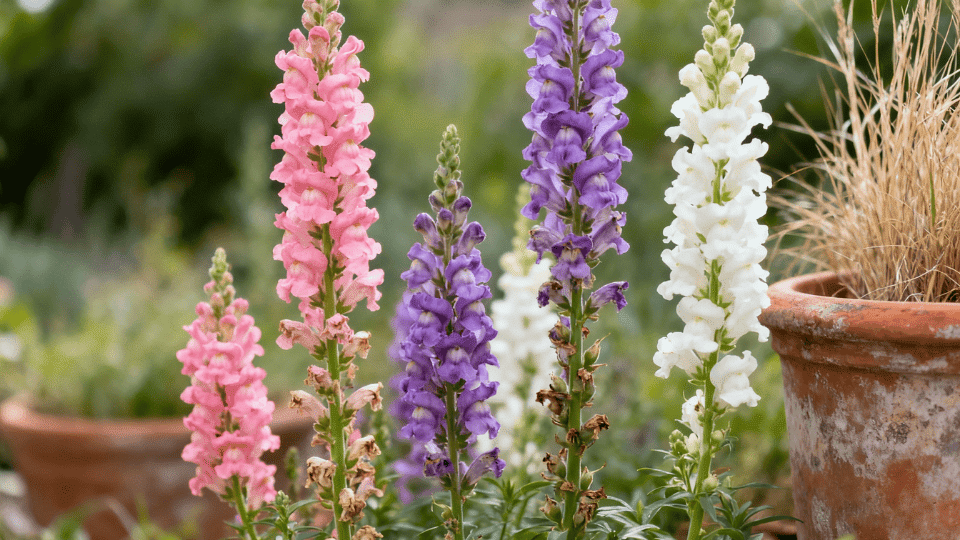
Snapdragons offer dramatic vertical interest with their tall, architectural spikes of dragon-faced blooms in a wide range of colors.
These cool-season favorites bloom prolifically in spring and fall, with newer heat-tolerant varieties extending their performance through summer months.
- Appearance in arrangements: Tall spikes of dragon-faced blooms that provide vertical structure
- Bloom season: Spring and fall peak blooming, with heat-tolerant varieties extending into summer
- Ideal for cutting: Stems reach 24 to 48 inches, vase life of 7 to 10 days, and multiple spikes produced per plant
5. Sweet Peas
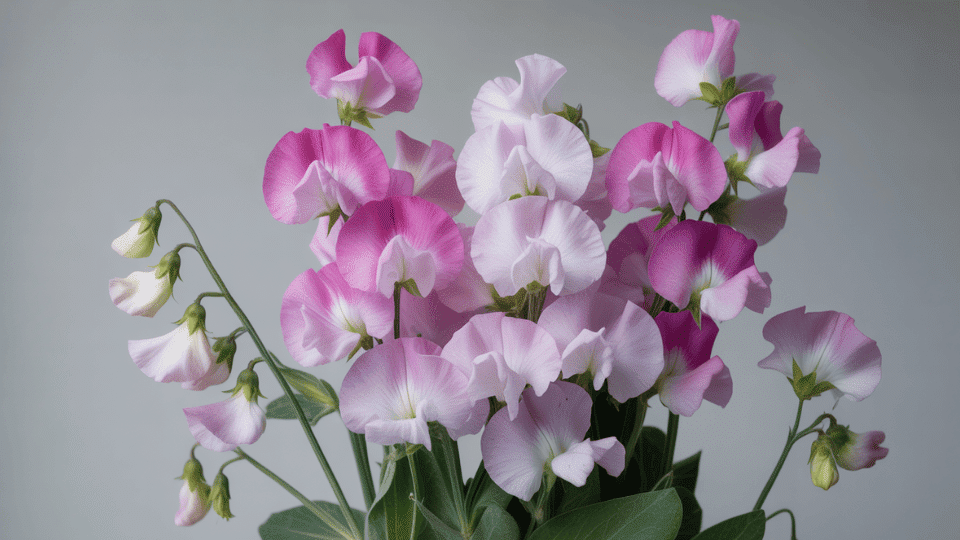
Sweet peas are treasured for their intoxicating fragrance and ruffled, butterfly-like blooms clustered on graceful stems.
Their romantic appearance and heavenly scent make them highly sought after despite their relatively short season.
- Appearance in arrangements: Fragrant, ruffled butterfly-like blooms in soft pastels and jewel tones
- Bloom season: Spring and early summer before the heat arrives
- Ideal for cutting: Stems reach 12 to 18 inches with multiple blooms, a vase life of 3 to 5 days, and a climbing habit that maximizes space
6. Filler Annuals
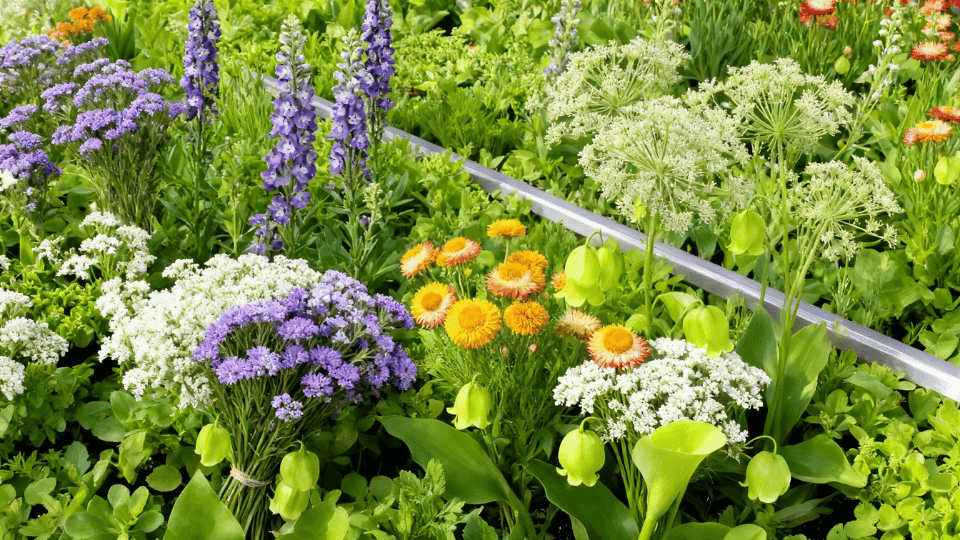
Successful cut flower gardens rely on diverse fillers that add essential texture, volume, and visual interest between showier focal blooms.
Statice, strawflower, larkspur, Ammi, and Bells of Ireland each contribute unique qualities, from papery clusters and delicate clouds to graceful vertical spikes; in both fresh and dried arrangements.
- Appearance in arrangements: Textural elements, including papery clusters, fine lace-like flowers, and unique vertical spikes that fill space
- Bloom season: Varies by type, with most blooming from summer through fall
- Ideal for cutting: Stems reach 18 to 36 inches, vase life of 7 to 14 days with some drying naturally, and minimal maintenance required
Best Perennials and Bulbs for a Cut Flower Garden
While annuals deliver nonstop blooms, perennials and bulbs return year after year with minimal effort. These reliable performers reduce replanting work while filling seasonal gaps in your cutting garden.
7. Dahlias
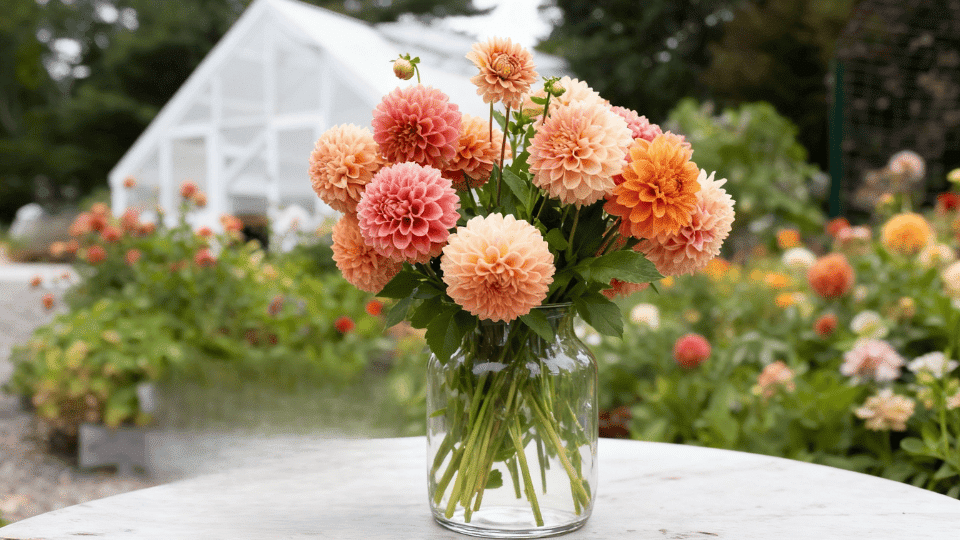
Dahlias reign as the queens of the late-season cut flower garden, producing an astounding variety of forms from dinner-plate giants to petite pompons.
Available in every color except true blue, dahlias offer endless possibilities for arrangements, from romantic to modern, making them indispensable despite their need for annual lifting in cold climates.
- Bloom window: Midsummer through first hard frost, with peak production in late summer and fall
- Vase life: 5 to 7 days when cut in the morning and conditioned properly in cool water
- Cutting advice: Harvest when blooms are three-quarters open, strip lower foliage, and recut stems underwater; divide tubers every 2 to 3 years for continued vigor
8. Roses
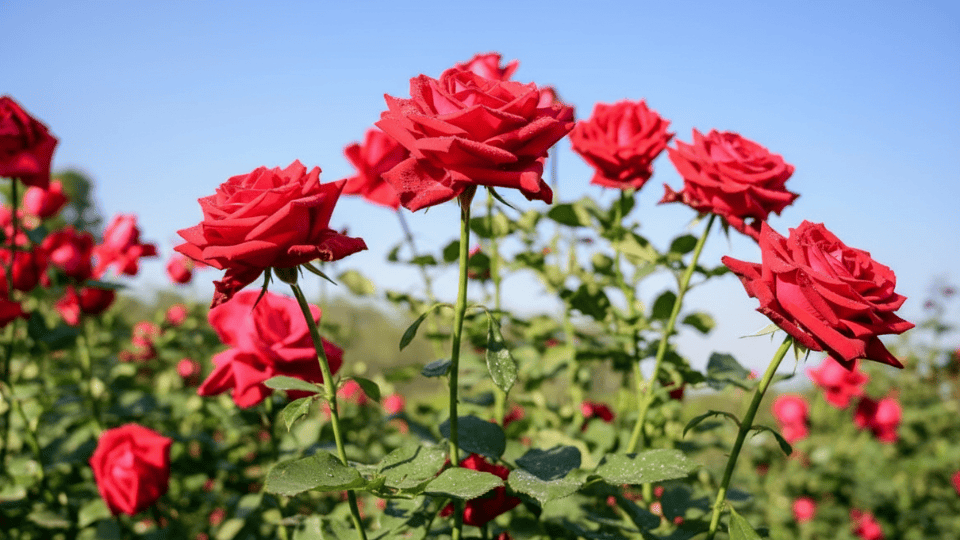
Not all roses excel as cut flowers, but varieties bred specifically for cutting produce long, sturdy stems topped with perfectly formed blooms.
Hybrid tea and floribunda roses work beautifully in arrangements, while garden roses, like David Austin varieties, offer old-fashioned fragrance and romantic, ruffled petals.
- Bloom window: Late spring through fall with multiple flush cycles, heaviest in June and September
- Vase life: 5 to 10 days, depending on variety, with hybrid teas typically lasting longest
- Cutting advice: Cut in early morning when blooms show color but before fully opening, remove thorns and lower leaves, condition in deep water overnight before arranging
9. Peonies
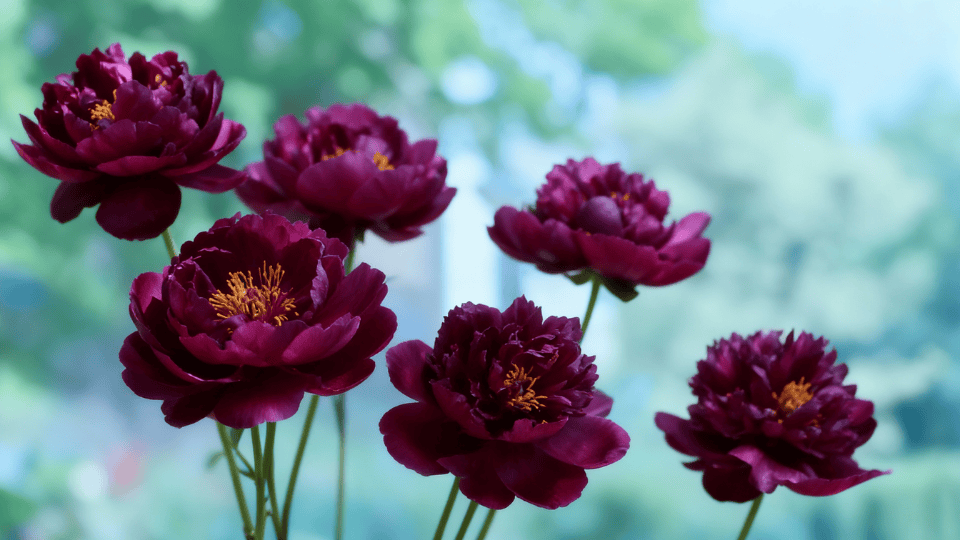
Peonies are the essence of luxury in the cut flower garden, producing massive, often fragrant blooms that command premium prices at florists.
These long-lived perennials can thrive for 50 years or more once established, though they require patience as newly planted peonies take 2 to 3 years to reach full production.
- Bloom window: Late spring (typically May to early June, depending on climate), lasting 7 to 10 days per plant
- Vase life: 5 to 7 days when cut at the marshmallow stage (soft bud just showing color)
- Cutting advice: Harvest buds in early morning when soft to touch, cut ants off gently, condition in cool water; can be stored in refrigerator up to 3 weeks if cut tight
10. Hydrangeas
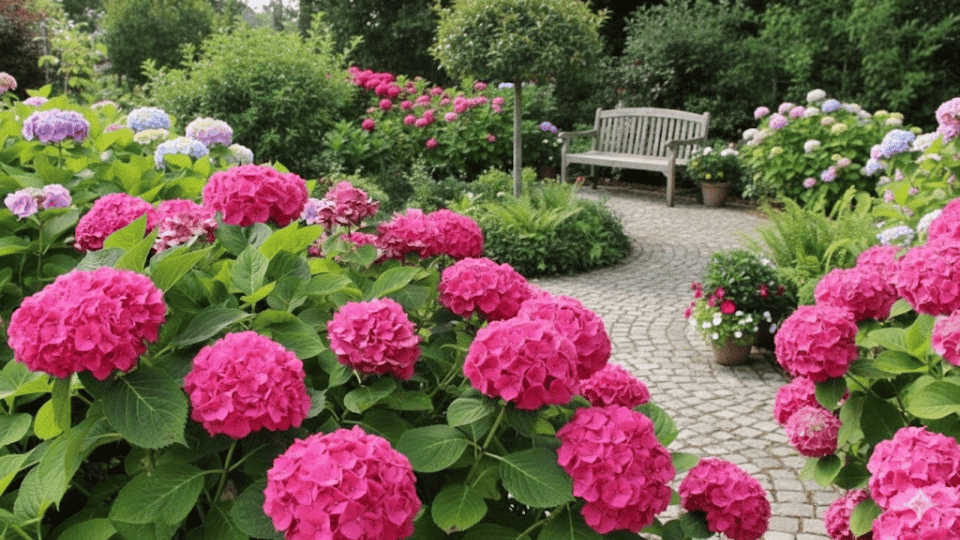
Hydrangeas provide dramatic volume and presence in arrangements, with panicle types (Hydrangea paniculata) proving most reliable for cutting due to their sturdy stems and long vase life.
Their cone-shaped flower clusters add substantial visual weight and can be used fresh or dried for extended enjoyment.
- Bloom window: Midsummer through fall, with blooms aging from white or lime to pink
- Vase life: 7 to 14 days for panicle types when properly conditioned; mophead types are less reliable
- Cutting advice: Cut when flowers feel papery rather than soft, remove all foliage, slit woody stems vertically, and condition in warm water; alum powder on stem ends extends life
How to Choose the Right Flowers for Your Climate and Space?
Success in a cut flower garden depends on matching plant selections to your specific growing conditions and available space. Even the most beautiful varieties will disappoint if they’re not suited to your climate, sun exposure, or garden size.
| Key Consideration | ACTION PLAN |
|---|---|
| Frost Dates & Sun Exposure | Identify your hardiness zone and frost dates. Match heat-loving plants like zinnias to hot climates, cool-season crops like snapdragons to mild areas, and shade-tolerant plants like hydrangeas to limited sun. |
| Season-Long Blooms | Plant spring bulbs, early summer annuals, midsummer performers, and fall favorites for continuous harvest from March through October. |
| Focal, Filler & Foliage Balance | Allocate 40% to focal (dahlias, roses), 40% to fillers (cosmos, statice), and 20% to foliage for complete arrangements without extra purchases. |
| Small Space Solutions | Choose compact varieties and vertical growers. Use containers 12-18 inches deep for dahlias, snapdragons, and high-yielding annuals. |
| Beginner-Friendly Choices | Start with easy varieties like zinnias, cosmos, sunflowers, and daffodils. Add challenging plants once basics are mastered. |
Quick Harvesting Tips to Maximize Vase Life
Even the best cut-flower varieties won’t perform well in arrangements if harvested incorrectly. Proper cutting and conditioning can double or triple vase life, turning short three-day displays into blooms lasting over a week.
- Best Time of Day to Cut: Harvest early before 10 a.m. when stems are fully hydrated from overnight moisture, as plants contain maximum water, helping them withstand cutting stress. Avoid midday heat when flowers are stressed and wilting.
- Stage at Which to Cut Each Flower Type: Cut zinnias and dahlias when three-quarters to fully open; tight buds won’t develop further. Harvest snapdragons when one-third of the florets are open. Cut tulips and anemones in bud with color showing, and roses before petals fully unfurl.
- Removing Lower Leaves, Cleaning Buckets, and Conditioning Basics: Strip all foliage below the waterline to prevent bacterial growth. Use clean buckets with room-temperature water and flower food. Recut stems at a 45-degree angle, removing at least one inch. Condition in a cool, dark location for several hours.
- Flower-Specific Tips: Use the “zinnia wiggle test.” Grasp the stem below the flower head and gently wiggle; if it’s firm, it’s ready to cut. For dahlias, plunge freshly cut stems into boiling water for 30 seconds, then condition in cold water to extend vase life to a full week or more.
Final Thoughts
Starting your own cut flower garden transforms how you experience blooms at home. You’ll save money, enjoy fresher arrangements, and find varieties unavailable at stores.
With proper timing and simple care techniques like clean cuts and hardening off, you’ll have gorgeous flowers from spring through fall.
Whether you claim a small corner or an entire bed, growing cutting flowers connects you to the seasons and brings nature’s beauty indoors. Your vases are waiting; grow something beautiful.