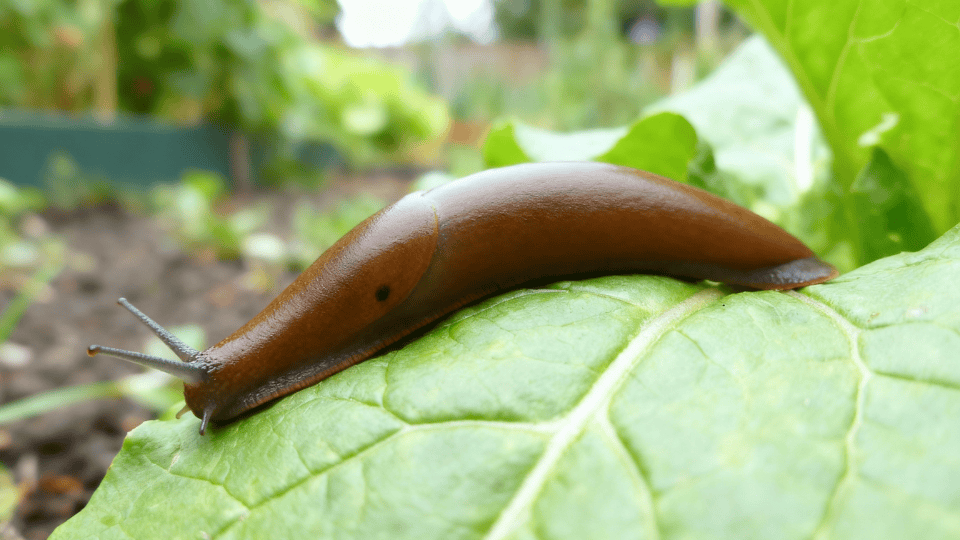
Slugs can wreak havoc in gardens by feasting on tender leaves, stems, and fruits, leaving slimy trails and damaged plants in their wake.
These soft-bodied pests multiply quickly and can destroy entire crops overnight, making them one of the most frustrating challenges for gardeners.
Learning how to get rid of slugs in garden spaces is essential for protecting vegetables, flowers, and seedlings from their destructive appetites.
Many gardeners prefer natural and eco-friendly solutions that protect beneficial insects, pets, and the environment. Chemical pesticides can harm helpful garden creatures and contaminate soil and water.
Why Protecting Your Garden From Slugs Is Important?
Understanding how to get rid of slugs in garden spaces protects months of hard work and investment. Slugs can destroy entire crops in just a few nights, devastating vegetable harvests and flower displays.
A single slug consumes up to 40 times its body weight in plant material daily, multiplying rapidly throughout the growing season.
These pests also carry parasites and diseases that can spread to plants and soil.
Slug damage weakens plants, making them susceptible to fungal infections and other problems. Effective strategies for killing slugs maintain garden health, ensure successful harvests, and create thriving landscapes.
How to Identify a Slug Problem During the Early Stage?
Early detection is crucial for effectively eliminating slugs in garden spaces. These pests emerge after dark to feed, making nighttime checks essential.
Timing matters when killing slugs, as they’re most active in rainy, humid weather.
- Slime Trails: Shiny, silvery marks on leaves and soil
- Chewed Foliage: Irregular holes with ragged edges
- Missing Plants: Seedlings disappear overnight
- Hiding Spots: Under mulch, pots, and dense vegetation
- Peak Activity: Nighttime and wet weather conditions
Barrier and Surface Protection Methods
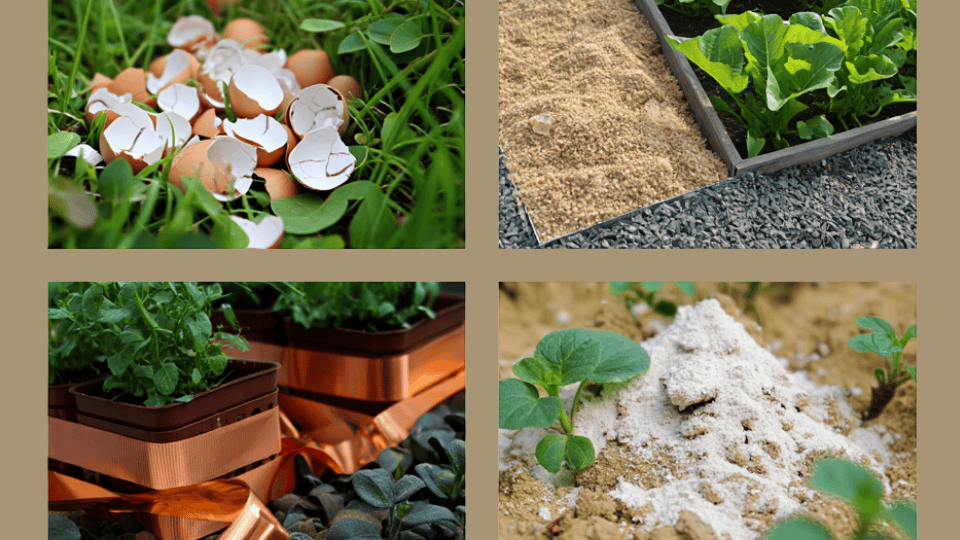
Creating physical barriers is one of the most effective ways to get rid of slugs in garden beds without chemicals. These methods work by making surfaces uncomfortable or impassable for slugs.
The best part is that most barrier materials are inexpensive, readily available, and completely safe for plants, pets, and beneficial insects.
1. Crushed Eggshells Around Plants
Crushed eggshells create a natural, jagged barrier that slugs find difficult to cross. The sharp edges irritate their soft bodies, deterring them from reaching plants.
Scatter crushed shells in a thick ring around the base of vulnerable seedlings and mature plants.
This method for getting rid of slugs also adds calcium to the soil as shells decompose, benefiting plant health. Rinse and dry eggshells, then crush them into small, rough pieces for maximum effectiveness.
2. Coarse Sand, Grit, or Gravel Borders
Coarse sand, grit, and gravel disrupt slug movement by creating an abrasive surface they struggle to cross. Spread a 2- to 3-inch-wide band around plants or at the edges of garden beds to form an effective barrier.
This affordable slug-killing solution remains effective across various weather conditions and requires minimal maintenance throughout the growing season.
3. Copper Tape Around Pots and Raised Beds
Copper tape provides an excellent barrier for container gardens and raised beds. When slug slime contacts copper, it produces a mild electrical reaction that repels the slug slime instantly.
Apply self-adhesive copper tape around the upper edges of pots, planters, and raised bed frames. This chemical-free method for getting rid of slugs in garden containers lasts for years and works day and night, effectively, without requiring reapplication or monitoring.
4. Diatomaceous Earth when Dry
Food-grade diatomaceous earth consists of fossilized algae with microscopic, sharp edges that damage slug bodies. Sprinkle a thin layer around plants, creating a protective barrier that dehydrates slugs on contact.
This powder works best during dry weather, as rain reduces its effectiveness. Reapply diatomaceous earth after watering or rainfall for continued protection.
Natural Repellent Methods
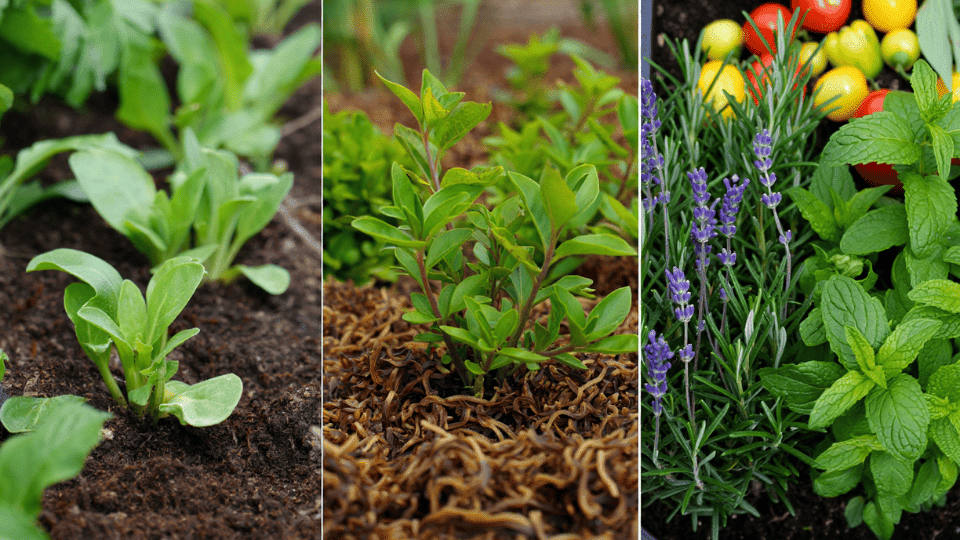
Natural repellents offer safe, eco-friendly solutions for getting rid of slugs in garden areas without harming beneficial insects or pets.
Many common household items and garden materials serve as effective slug deterrents, making these approaches both affordable and sustainable for long-term garden management.
5. Used Coffee Grounds
Used coffee grounds create an effective barrier that slugs avoid crossing. The caffeine and acidity irritate their sensitive bodies, keeping them away from plants.
Spread dried coffee grounds in a ring around vulnerable seedlings and established plants. This method for getting rid of slugs also adds nitrogen to the soil as the ground decomposes, improving plant nutrition.
6. Seaweed Mulch or Seaweed Meal
Seaweed naturally repels slugs due to its salt content and strong mineral composition. Spread fresh or dried seaweed around garden beds to create a protective barrier.
The salty texture deters slugs while enriching soil with trace minerals and nutrients. This dual-purpose solution for killing slugs also improves soil structure and moisture retention.
Rinse seaweed before application if using fresh material to remove excess salt that might harm plants.
7. Strong-Scented Companion Plants
Aromatic herbs create natural slug barriers through their intense fragrances. Lavender, rosemary, chives, mint, and sage all repel slugs effectively when planted near vulnerable crops.
These companion plants release oils that slugs find overwhelming and unpleasant. Strategic placement around garden edges protects while adding culinary and ornamental value.
This attractive method for getting rid of slugs in garden spaces doubles as functional landscaping that benefits pollinators and enhances garden beauty.
Garden Hygiene and Habitat Control
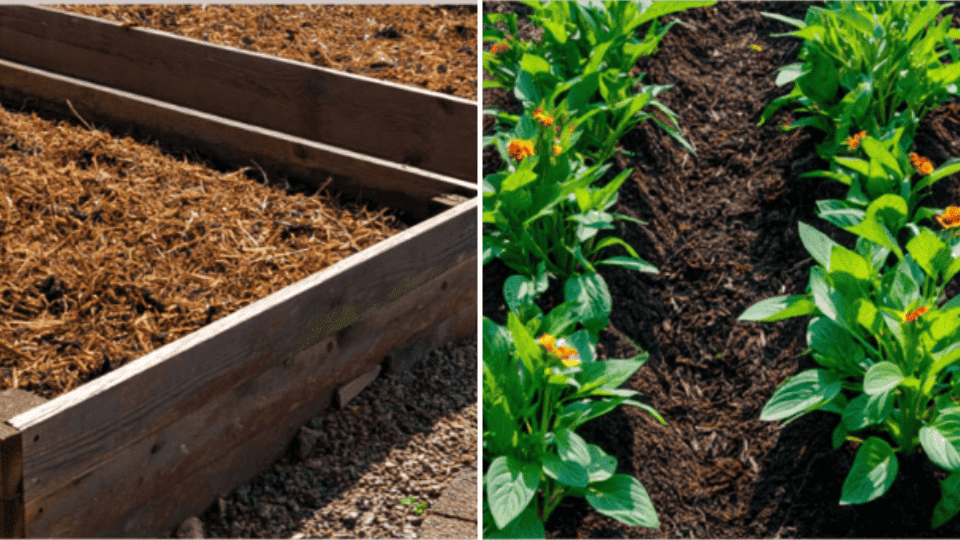
Controlling the garden environment eliminates conditions that attract and shelter slugs. Good hygiene practices for getting rid of slugs in garden spaces include removing hiding spots and reducing the moisture levels slugs require.
Maintaining a clean, well-organized garden creates unfavorable conditions for slug populations while promoting healthier plant growth and easier garden maintenance throughout the season.
8. Remove clutter and hiding places
Slugs seek shelter under debris, fallen leaves, old mulch, and wood piles during daylight hours. Regularly clearing these materials eliminates prime hiding spots and exposes slugs to predators and drying conditions.
Remove boards, unused pots, and dense ground cover where slugs congregate.
This simple approach for getting rid of slugs significantly reduces populations by destroying their daytime refuges and making gardens less hospitable to these moisture-loving pests.
9. Improve Drainage and Reduce Constant Moisture
Slugs grow in consistently wet, soggy conditions that provide the moisture they need. Improving soil drainage through amendments and adjusting watering schedules creates less favorable environments.
Water gardens early in the morning rather than evening, allowing surfaces to dry before nighttime slug activity. Installing drainage systems or creating raised beds helps excess water move away.
This strategy for killing slugs targets their fundamental need for constant moisture.
10. Space Plants Correctly
Proper plant spacing improves air circulation and reduces the damp, shaded conditions slugs prefer. Crowded plants create humid microclimates with poor airflow where slugs hide and breed.
Follow recommended spacing guidelines for each plant variety to ensure adequate room for growth. Better airflow allows foliage to dry quickly after rain or watering.
This preventive method for controlling slugs in garden beds also reduces the risk of fungal diseases and promotes healthier, more vigorous plant growth.
11. Nighttime slug patrol
Manually removing slugs during their active hours provides immediate, effective control. Check the gardens after sunset or early in the morning, when slugs emerge to feed.
Carry a flashlight and a container filled with soapy water to collect and dispose of slugs. This hands-on approach to slug control works exceptionally well for small gardens or severe infestations.
Regular patrols significantly reduce populations over time, preventing reproduction and protecting vulnerable plants from damage.
Biological and Wildlife Methods
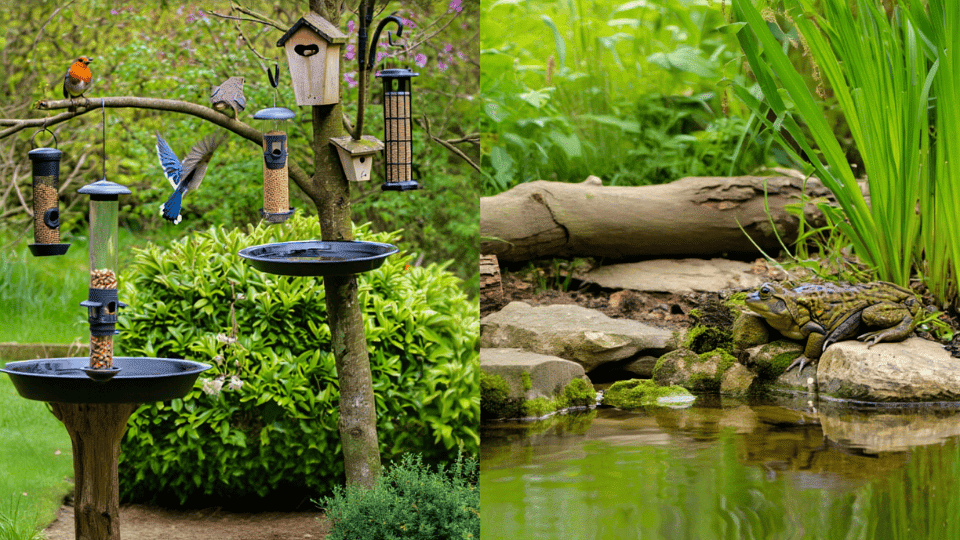
Encouraging natural predators provides sustainable, long-term solutions for getting rid of slugs in garden environments.
Natural predators work continuously, hunting slugs during their active periods and providing consistent pest management throughout the growing season.
12. Attract Birds
Birds such as thrushes, blackbirds, and robins consume large quantities of slugs daily. Installing bird feeders, bird baths, and shallow water sources encourages these natural predators to visit gardens regularly.
Provide nesting boxes and perching spots to make spaces more inviting.
Dense shrubs offer shelter where birds feel safe. This enjoyable method for getting rid of slugs creates a lively garden atmosphere while naturally reducing pest populations through consistent predation.
13. Encourage Frogs and Toads
Frogs and toads are voracious slug hunters that patrol gardens during evening hours. Create shallow water features, small ponds, or boggy areas to attract these amphibians.
Provide hiding spots using stones, logs, and dense vegetation where they shelter during the day. Avoid using any pesticides that might harm these beneficial creatures.
This effective strategy for how to kill slugs establishes permanent predator populations that control pests year after year with minimal intervention required.
Traps and Manual Removal
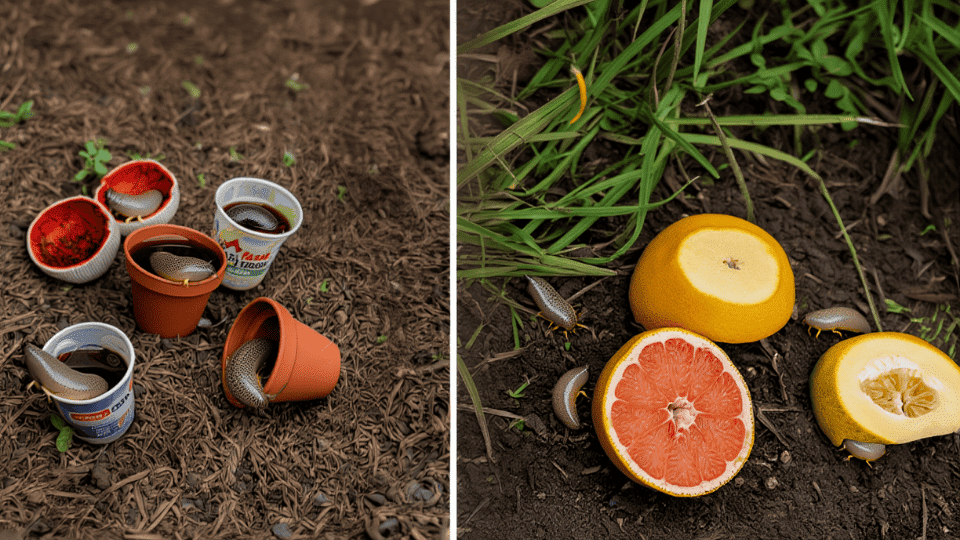
Trapping methods for getting rid of slugs in garden areas capture or concentrate slugs for easy removal. These simple, low-cost techniques use items already available in most households.
Regular trap checking and slug collection significantly reduce populations over time without introducing any substances into the garden environment.
14. Beer Traps at The Soil Level
Beer traps attract slugs through fermentation odors that they find irresistible. Sink shallow containers flush with the soil level and fill them halfway with beer.
Slugs crawl in seeking the liquid and drown overnight. Empty and refill traps every few days for continued effectiveness.
This classic method for getting rid of slugs uses inexpensive materials and works exceptionally well in small garden areas or around particularly vulnerable plants that require extra protection.
15. Citrus or Fruit Skin Traps
Overturned citrus halves, melon rinds, or grapefruit skins create attractive shelters where slugs congregate overnight. Place traps throughout gardens in the evening and check them early in the morning.
Collect trapped slugs and dispose of them in soapy water. The moist, protected environment under fruit skins appeals to slugs seeking daytime refuge.
This simple approach to killing slugs requires no special equipment and recycles kitchen waste into practical pest-control tools.
16. Hand-Picking and Relocation
Manually removing slugs during moist evenings provides direct, immediate control. Inspect plants after rainfall or watering when slugs are actively feeding.
Wear gloves and collect slugs into containers filled with soapy water for disposal. Check under leaves, along stems, and around plant bases where slugs concentrate.
This hands-on method for getting rid of slugs in garden beds allows gardeners to target specific problem areas and monitor population changes closely over time.
Low Toxicity and Eco-Safe Options
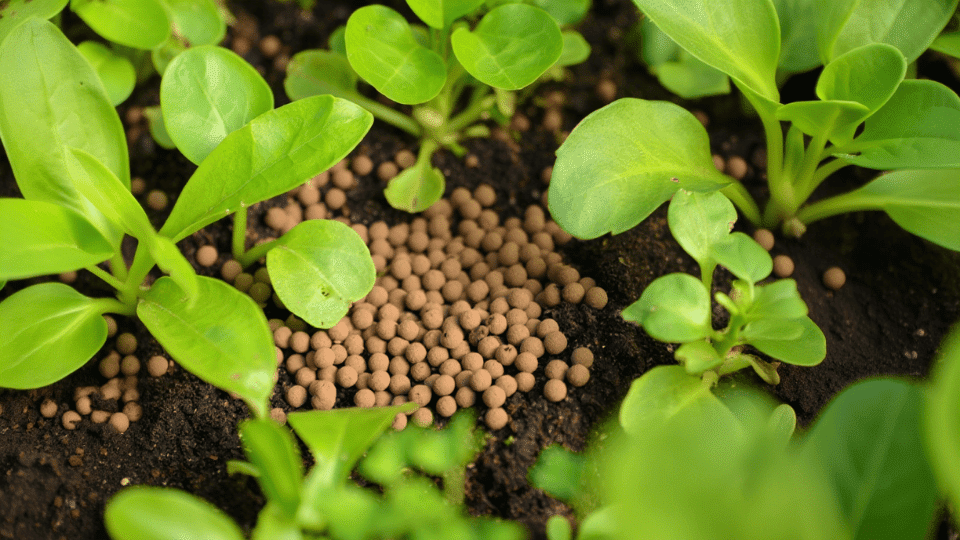
Safe pest control products offer practical solutions for getting rid of slugs in garden spaces without environmental risks.
Modern organic options provide reliable slug control while protecting beneficial insects, pets, wildlife, and soil health.
17. Organic Slug Bait Made of Iron Phosphate
Iron phosphate baits are approved for organic gardening and pose minimal risks to pets, wildlife, and beneficial insects. Scatter pellets around vulnerable plants according to package directions.
Slugs stop feeding immediately after consuming iron phosphate and die within days. Rain breaks down unused bait into soil nutrients.
18. Avoid Traditional Chemical Pellets
Traditional slug pellets containing metaldehyde pose serious risks to pets, children, hedgehogs, birds, and beneficial insects.
These toxic chemicals contaminate soil and water while killing non-target species that consume poisoned slugs. Pets can suffer seizures, organ damage, or death from ingesting even small amounts.
The environmental impact extends beyond immediate gardens.
19. Combine Multiple Strategies for Best Results
The most effective approach to getting rid of slugs in gardens combines several methods.
Use physical barriers around vulnerable plants, maintain good garden hygiene, encourage natural predators, and set traps in problem areas.
This multi-layered strategy addresses slug problems from different angles, increasing overall success rates. Some methods provide immediate relief while others offer long-term prevention.
Strategies to Prevent Slugs From Returning
Long-term success in eliminating slugs in garden spaces requires ongoing prevention strategies. Once slug populations are under control, maintaining that progress prevents future infestations.
- Maintain Clean Garden Edges: Remove debris, fallen leaves, and clutter from beds regularly to eliminate hiding spots.
- Adjust Watering Habits: Water early in the morning so the soil surface dries before evening, when slugs become active.
- Refresh Barriers After Rain: Reapply materials such as eggshells, coffee grounds, and diatomaceous earth after wet weather.
- Continue Monitoring: Check plants regularly for slime trails and damage to catch new slug activity early, before populations grow.
The Bottom Line
Natural methods for getting rid of slugs in the garden are effective when applied consistently and strategically combined.
Physical barriers, habitat modifications, natural predators, and simple traps work together to safely control populations.
Regular garden maintenance, proper watering schedules, and early detection prevent slugs from returning season after season.
These eco-friendly approaches protect plants while preserving beneficial insects, soil health, and wildlife.