Many people want to give old wooden furniture a fresh look, but they wonder if spray paint will actually stick and last.
The thought of prep work, priming, and potential mess can make the whole project feel overwhelming. And there’s always that nagging question: can you spray paint wood and get professional results?
Spray painting wood is not only possible but can deliver smooth, factory-like finishes when done right.
This guide will show the best spray paints for wood surfaces and proven techniques that work. Readers will learn which products to choose, how to prep properly, and tips for getting a flawless finish every time.
The Benefits of Spray Painting Wood
Spray painting wood for several practical reasons beyond just charm. So, can you spray paint wood to completely change old furniture? Yes, and here’s why it works:
- Refreshing New Look: You can breathe new life into tired wardrobes, cabinets, and drawers without spending a fortune on replacements
- Professional-Looking Finish: Smooth, with even coverage, no annoying brushstrokes that scream “DIY project gone wrong.”
- Speed and Efficiency: What takes hours with a brush? I finish in minutes with spray paint
- Durability Boost: With a quality primer and paint, you’re adding a protective layer that extends your furniture’s lifespan
- Cost-Effective Upcycling Instead of buying new furniture, you’re giving dated pieces a second chance while keeping them out of landfills and saving serious cash
Best Types of Spray Paint for Wood
Not all spray paints work the same on wood surfaces. Some formulas bond better, dry faster, resist chipping, while others leave sticky finishes or peel within weeks. Here’s what actually works for different wood projects.
| Paint Type | Finish | Durability | Best For | Cleanup |
|---|---|---|---|---|
| Enamel | Gloss/Satin | Very High | Furniture, trim, cabinets | Solvent-based |
| Acrylic | Satin/Matte | Moderate | Indoor décor, crafts | Easy (water) |
| Lacquer | High Gloss | High | Smooth, pro-style finish | Solvent-based |
| Chalk Paint | Matte | Low–Medium | Vintage or rustic looks | Easy (water) |
| Multi-Surface | Varies | High | Outdoor or mixed materials | Depends on type |
Key Factors to Consider Before Spray Painting Wood
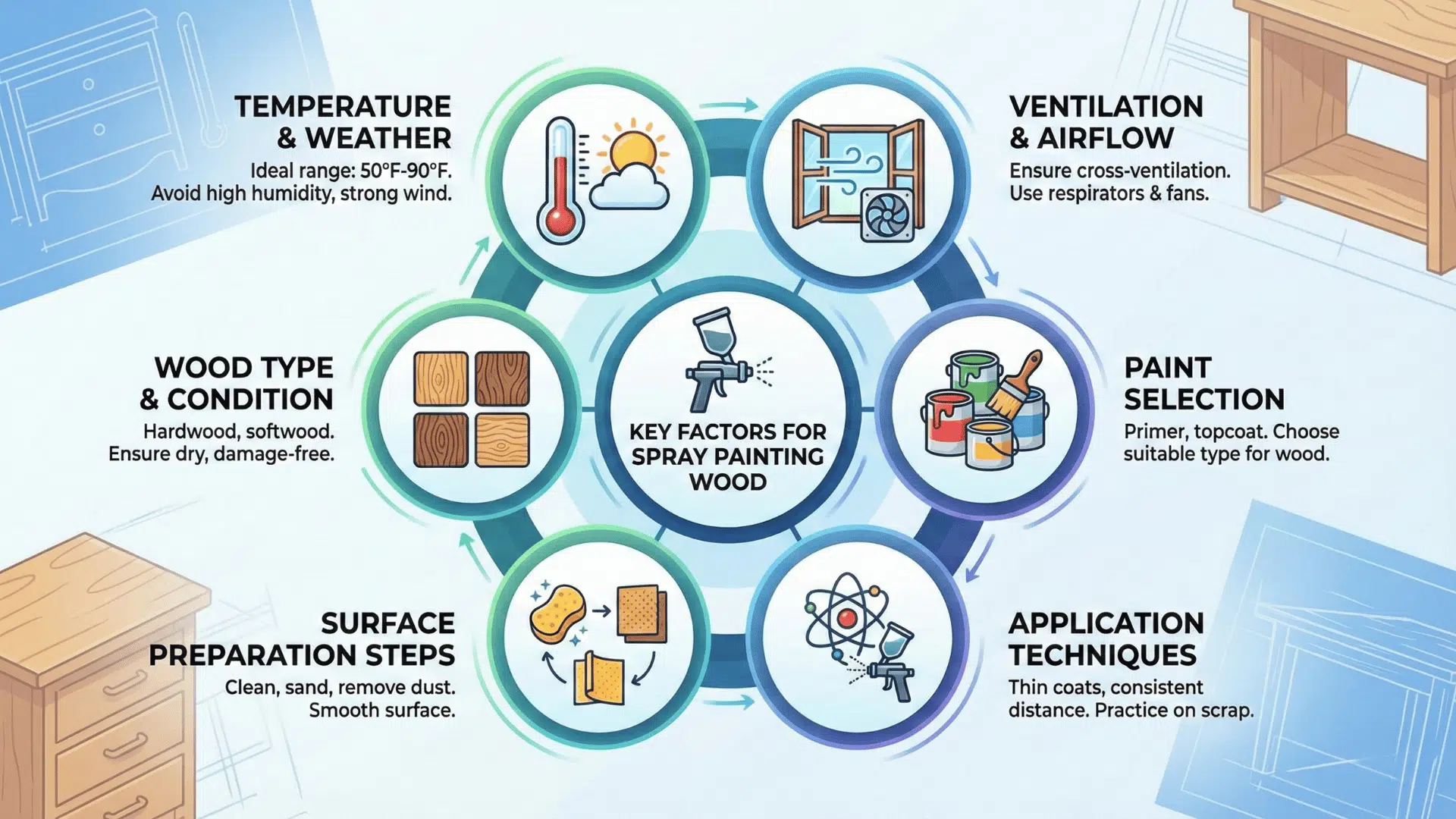
Before anyone grabs a spray can and starts painting, there are a few important factors to think through. The right preparation and conditions make the difference between a finish that lasts years and one that chips off in weeks.
- Quality Paint Selection: Rust-Oleum offers excellent coverage, fast drying times, and durable finishes. You’ll find gorgeous Colors plus specialty finishes like metal and stoneware
- Calculate Paint Quantity: Estimate your coverage needs before starting; running out mid-project is frustrating
- Proper Ventilation: Indoors or outdoors, ensure good airflow to avoid inhaling fumes. Use drop cloths, cardboard, or a paint tent to protect surrounding surfaces from overspray
- Weather Conditions Matter: Temperature and humidity significantly affect drying time. Choose mild, low-humidity days and avoid windy conditions that blow debris onto wet paint
- Practice Your Technique Test on scrap wood first, especially when using spray grips. This helps you master consistent motion and proper nozzle distance before tackling your actual furniture piece
Essential Tools and Materials for Spray Painting
If you’ve ever wondered if you can spray paint wood effectively, the answer is yes; here’s what’s consistently proven to work best.
| Tool or material | Use |
|---|---|
| Rust-Oleum spray paint | Adds fresh Colors and a durable protective finish. |
| Drop cloth | Shields floors and nearby surfaces from overspray. |
| Painter’s tape | Mask the edges and areas you do not want painted. |
| Safety mask or respirator | Helps prevent inhaling paint fumes while you work. |
| Gloves | Keeps paint off your hands and skin. |
| Goggles or safety glasses | Protects eyes from drifting paint mist. |
| Wire brush or sandpaper | Removes rust or loose paint on metal items. |
| Soap, water, and a bucket | Cleans dirt, grease, and residue before painting. |
| Lint-free cloth | Wipes away remaining dust for a smooth surface. |
| Rust-Oleum primer | Improves adhesion and helps create a longer-lasting finish. |
Safety First: Always spray paint in a well-ventilated area or outdoors. Wear a mask or respirator, protective gloves, and safety glasses to avoid inhaling fumes or getting paint on your skin. A clean, open workspace not only protects you but also ensures a smoother, dust-free finish.
Step-by-Step Guide to Spray Paint Furniture Without Sanding
It’s clear you can spray paint wood furniture successfully if you follow the right process. Here’s a sample method recommended by an expert to achieve smooth, lasting results without sanding.
Step 1: Gather Supplies and Prepare Your Workspace
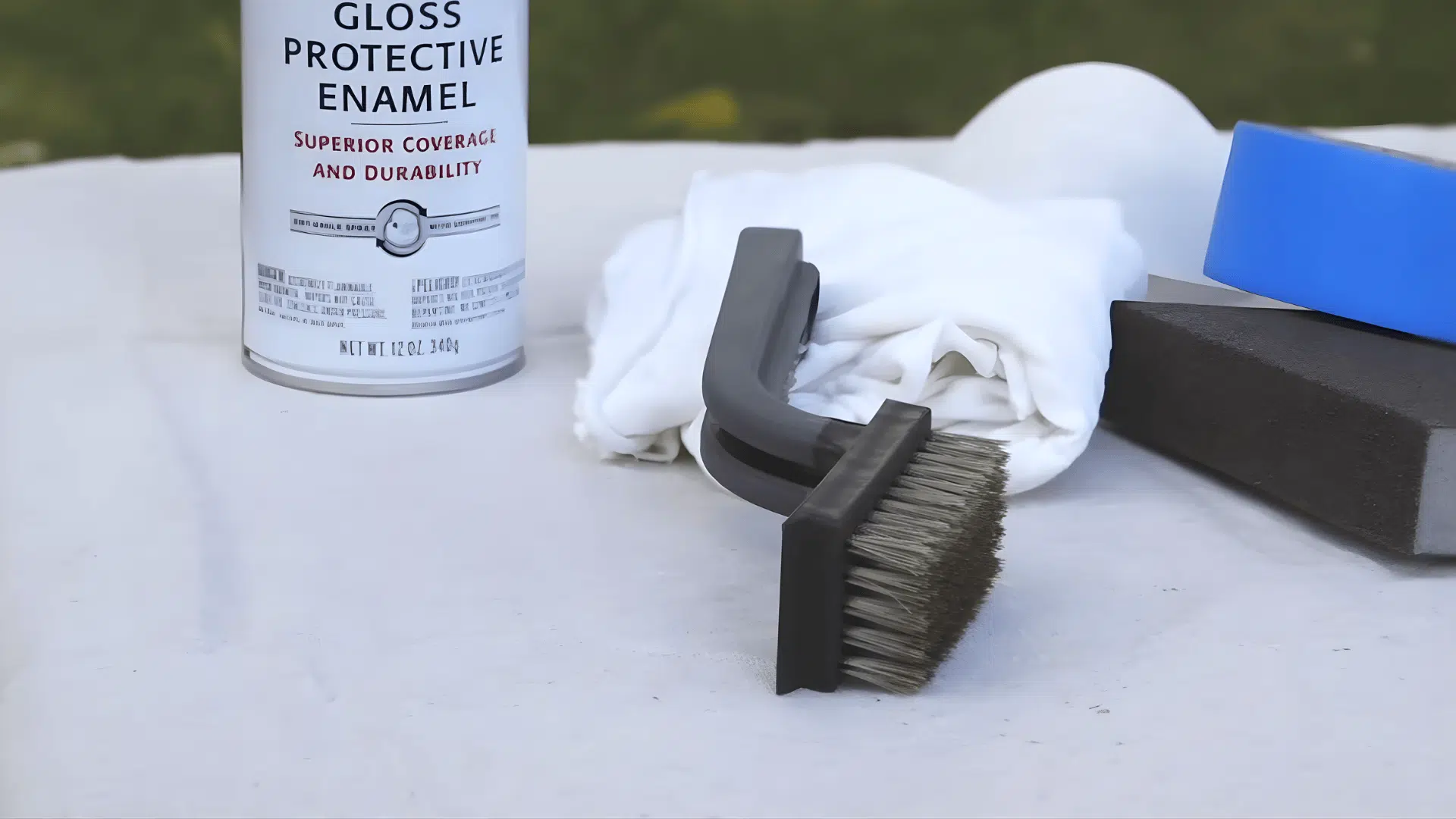
Lay down the drop cloth to protect floors and nearby objects. Having everything ready keeps the process smooth and prevents you from rushing once you begin spraying.
Wipe the furniture with soap and water to remove dust, oils, and grime. Rinse with clean water, then let the surface dry completely.
Go over it with a lint-free cloth to catch any remaining particles. A clean surface helps the paint grip better and reduces the risk of bumps or rough spots in the finish.
Step 2: Mask Off Areas You Do Not Want Painted
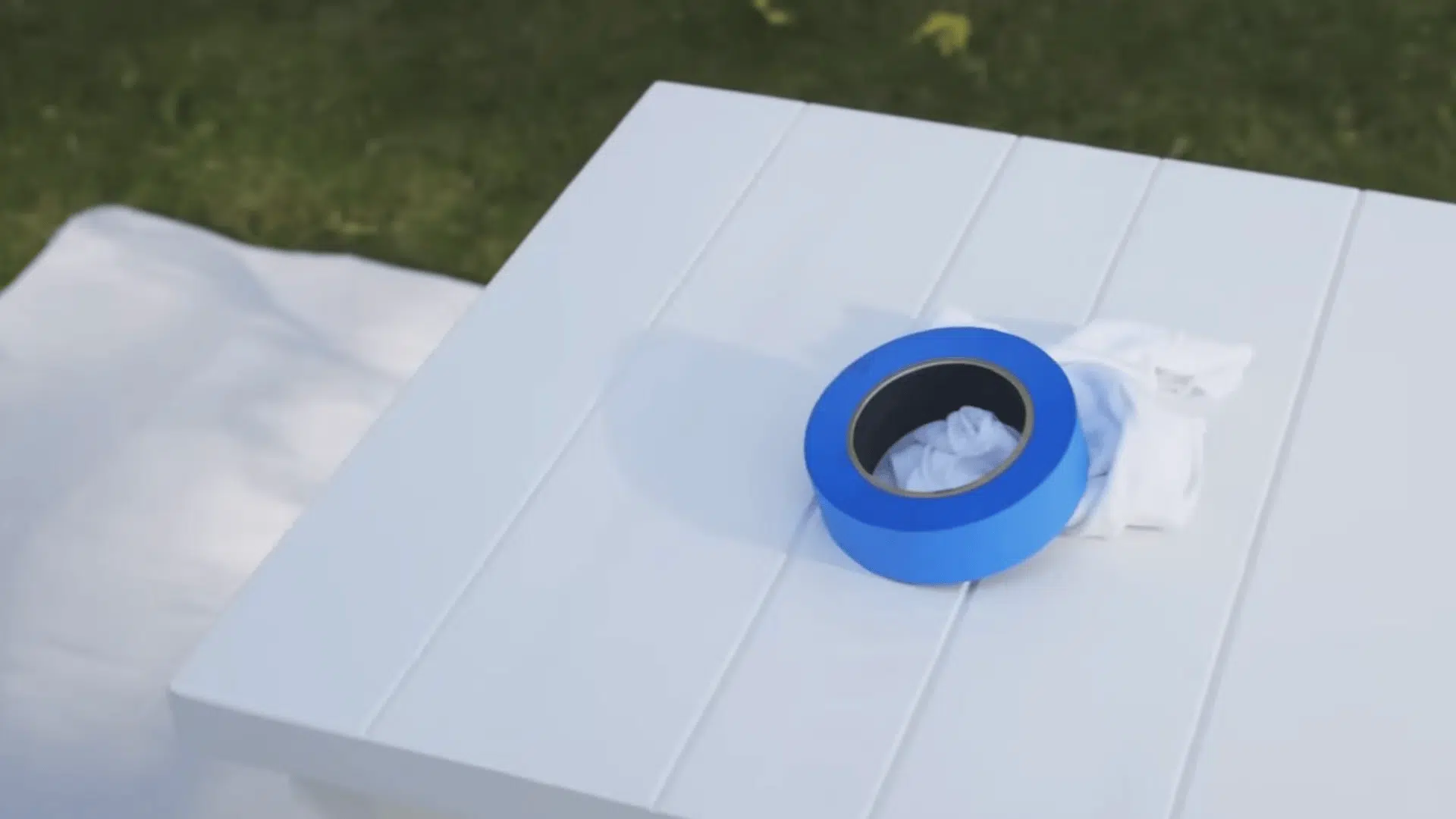
Use painter’s tape to cover hardware, edges, or sections that should stay unpainted. Press the tape down firmly so the paint cannot seep underneath.
Double-check corners and details where overspray is most likely to occur. Taking a few minutes to mask carefully gives your finished piece crisp, professional-looking lines.
Step 3: Check Conditions and Apply Primer
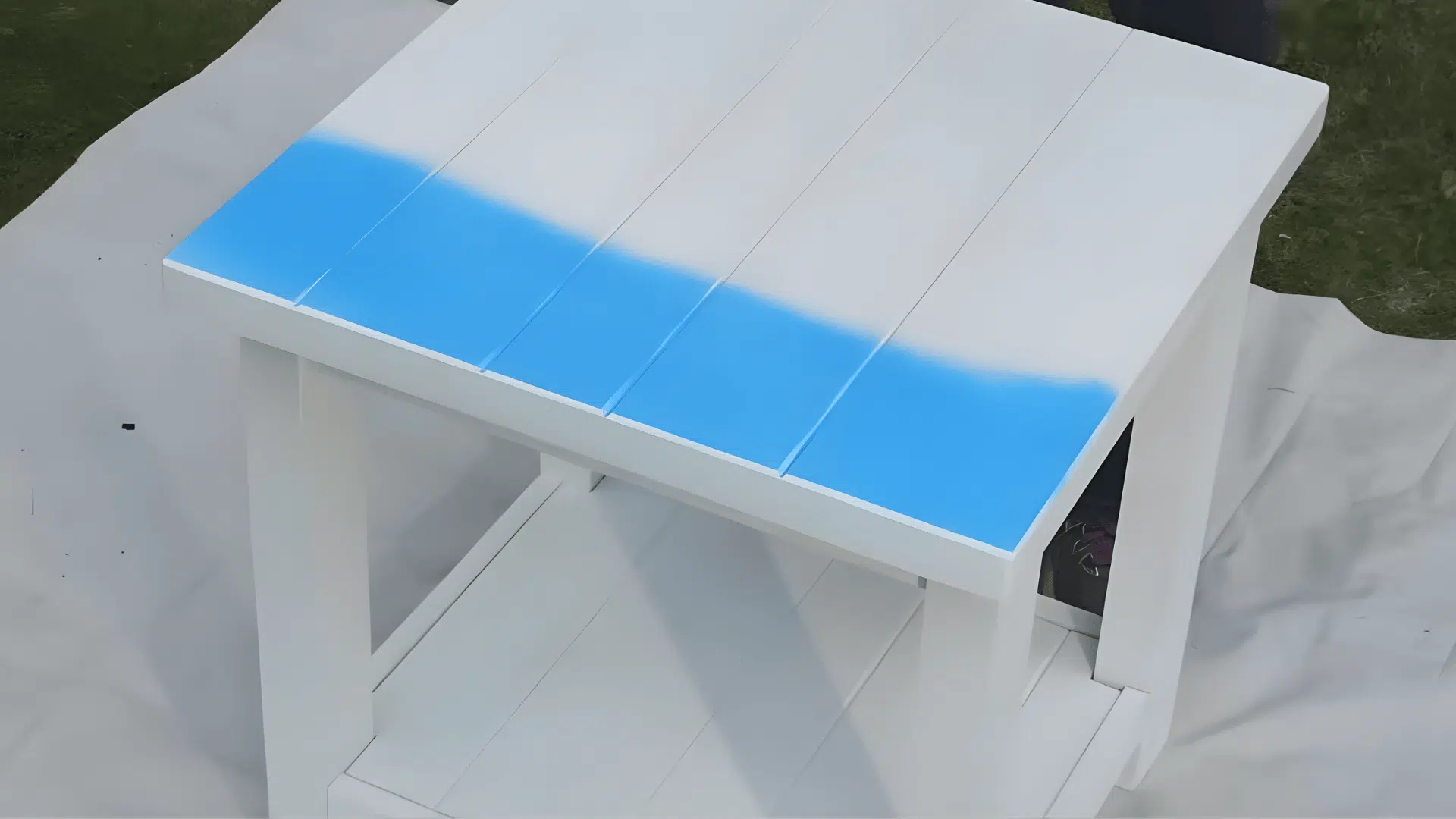
Make sure the temperature and humidity match the guidance on the can label. Place your furniture on the drop cloth, leaving enough space to walk around it.
Apply a light, even coat of Rust-Oleum primer for extra adhesion and durability. Allow the primer to dry fully before moving on to your Colors coats.
Step 4: Spray in Light, Even Coats
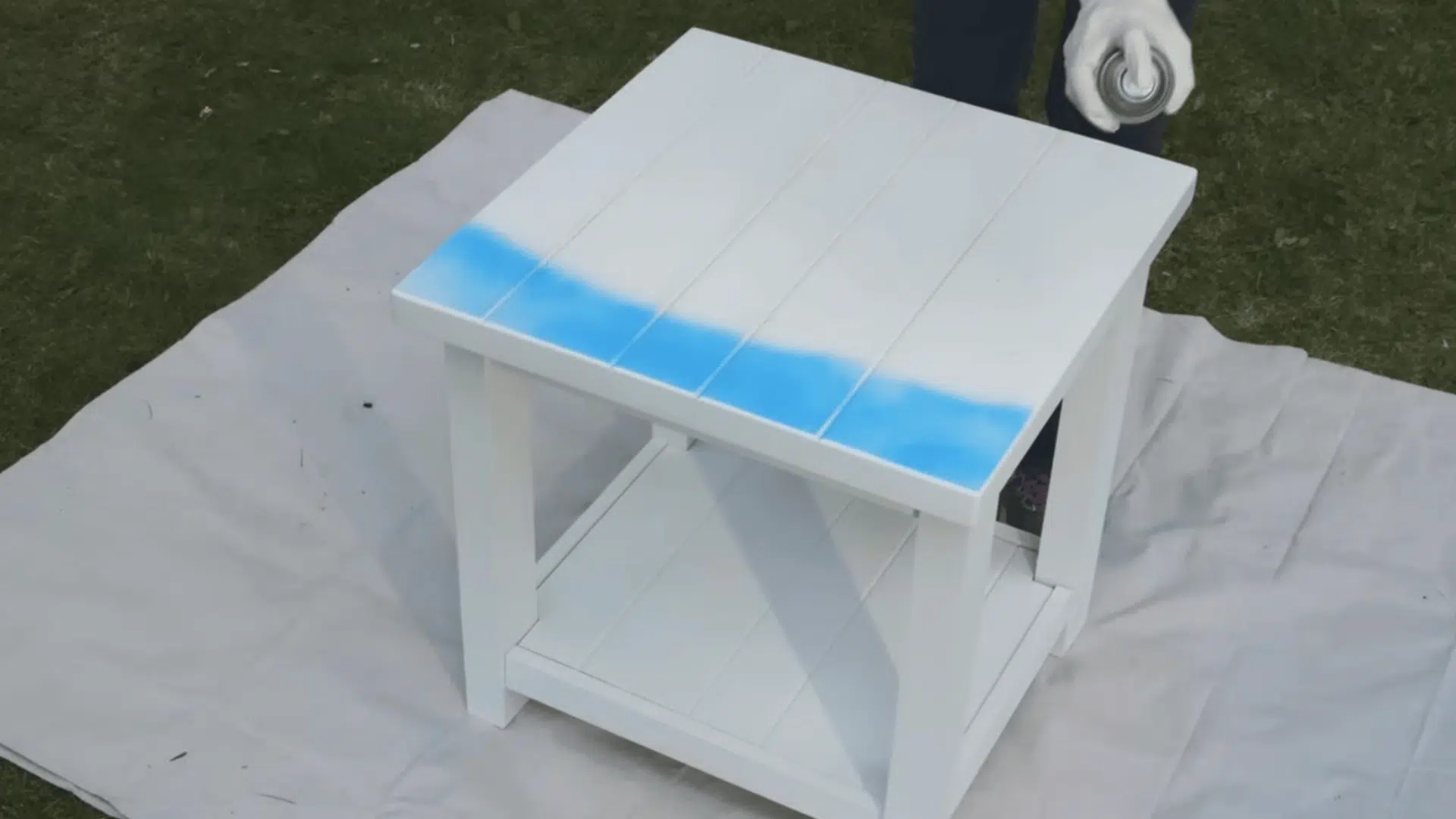
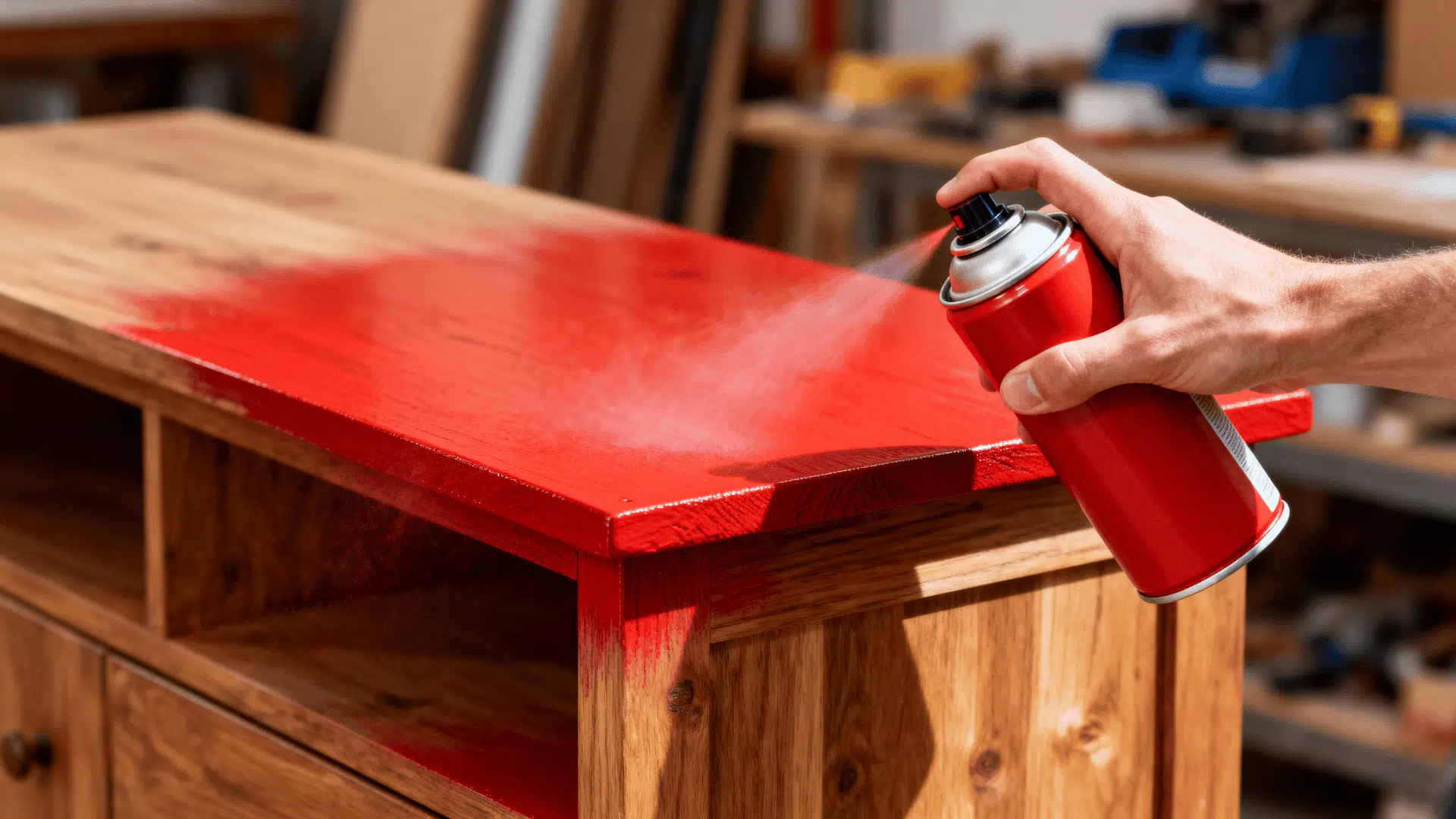
Hold the can about 10 to 12 inches from the surface. Move your arm in a steady back-and-forth motion, slightly overlapping each pass.
Start spraying just before the edge of the furniture and release the trigger just past the other side. Keep the can moving to avoid heavy spots, runs, and drips, and focus on several light coats instead of one heavy layer.
Step 5: Let Each Coat Dry
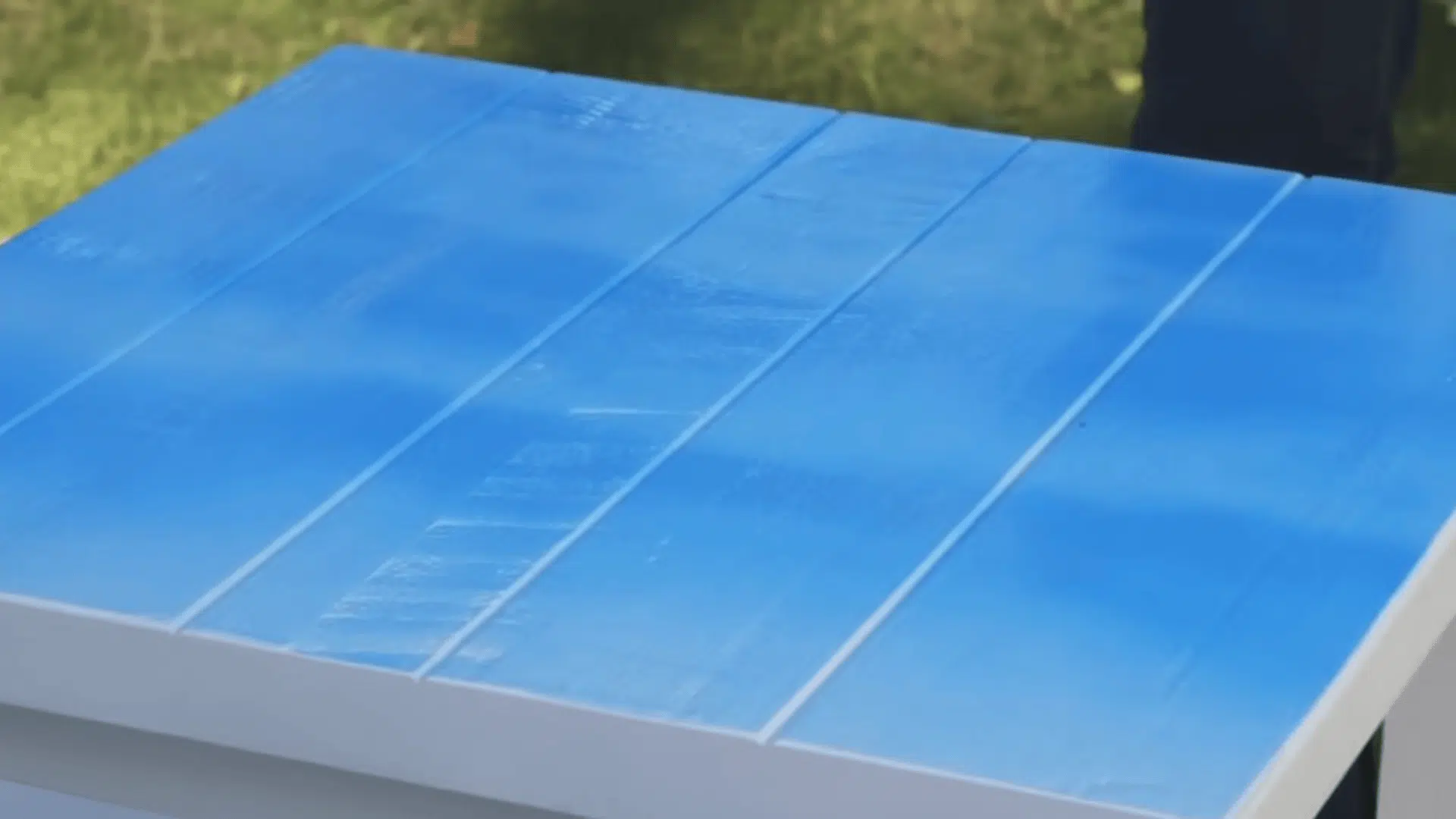
Follow the dry time instructions on the label, which often range from about 20 minutes to two hours. Do not rush recoating, since spraying too soon can cause wrinkling.
If you notice a drip while the paint is still wet, gently wipe it with an absorbent cloth, then respray the area. Wipe paint from the nozzle between coats to reduce clogging and keep the spray pattern smooth.
Here’s a YouTube video Tutorial for a More Real-Time Reference.
Recommended Spray Paints for Wooden Surfaces
If you’re planning to refresh wooden furniture or decor, choosing the right spray paint can make all the difference. Here are highly rated options that deliver strong adhesion, smooth finishes, and long-lasting Colors.
1. Krylon Fusion All-In-One Spray Paint
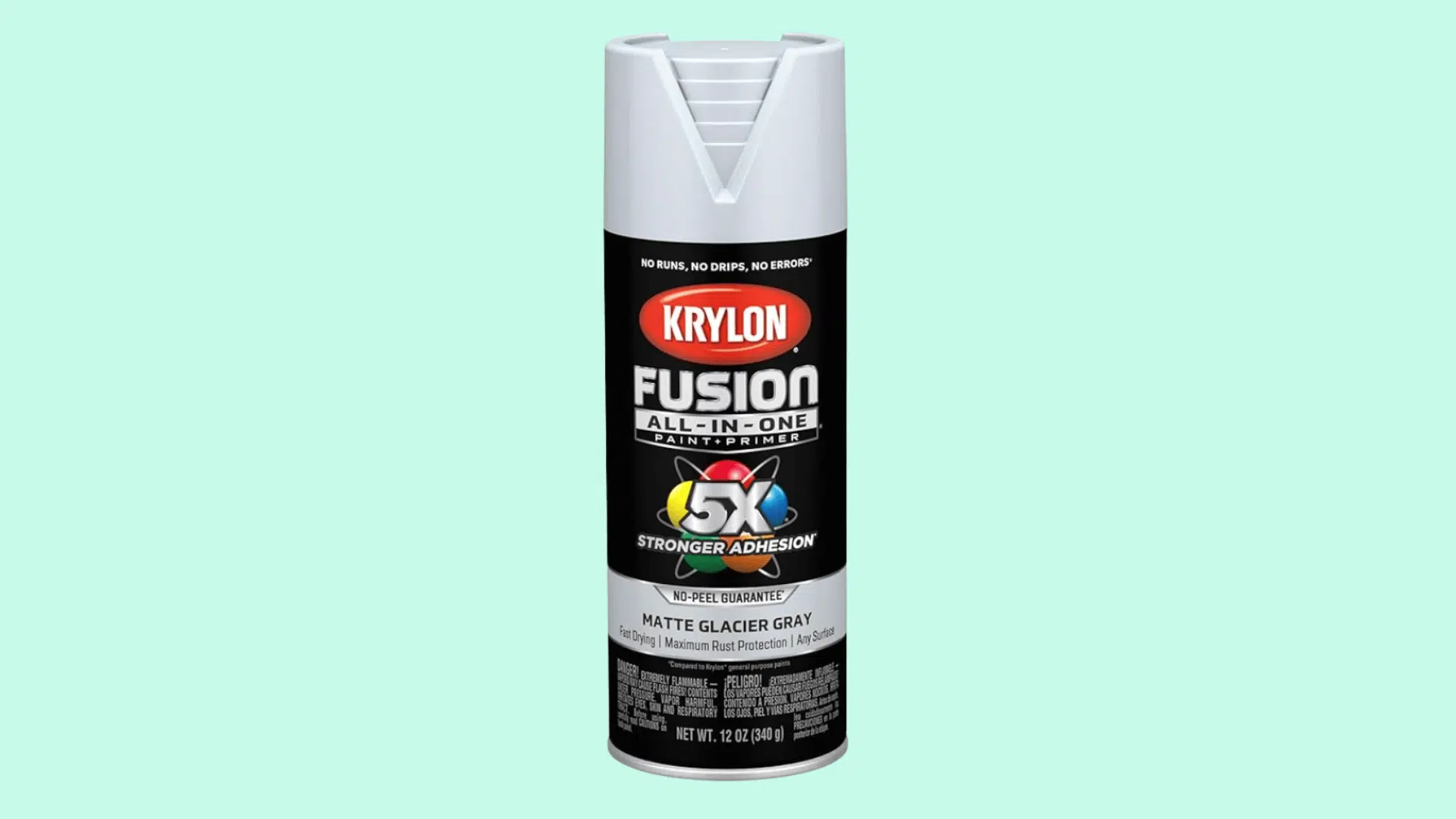
- Price: $7–10 (12 oz can)
- Colors Available: Available in over 50 shades, including Gloss White, Satin Black, and Matte Aqua
- Finish Type: Gloss, Satin, and Matte
2. Rust-Oleum Painter’s Touch 2X Ultra Cover
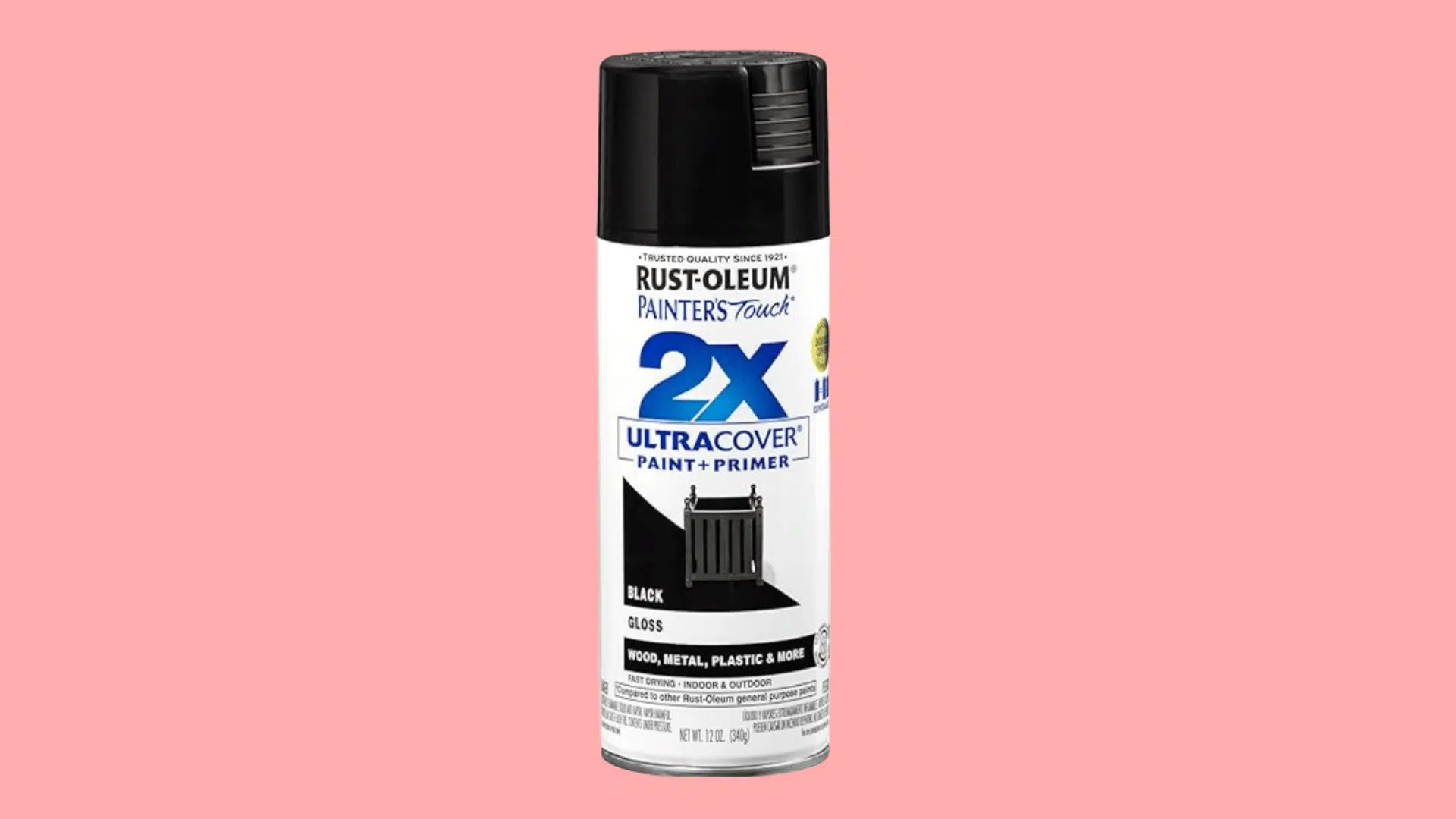
- Price: $6–9 (12 oz can)
- Colors Available: Wide Colors range, such as Colonial Red, Heirloom White, and Lagoon Blue
- Finish Type: Gloss, Semi-Gloss, and Satin
3. Behr Premium Spray Paint and Primer
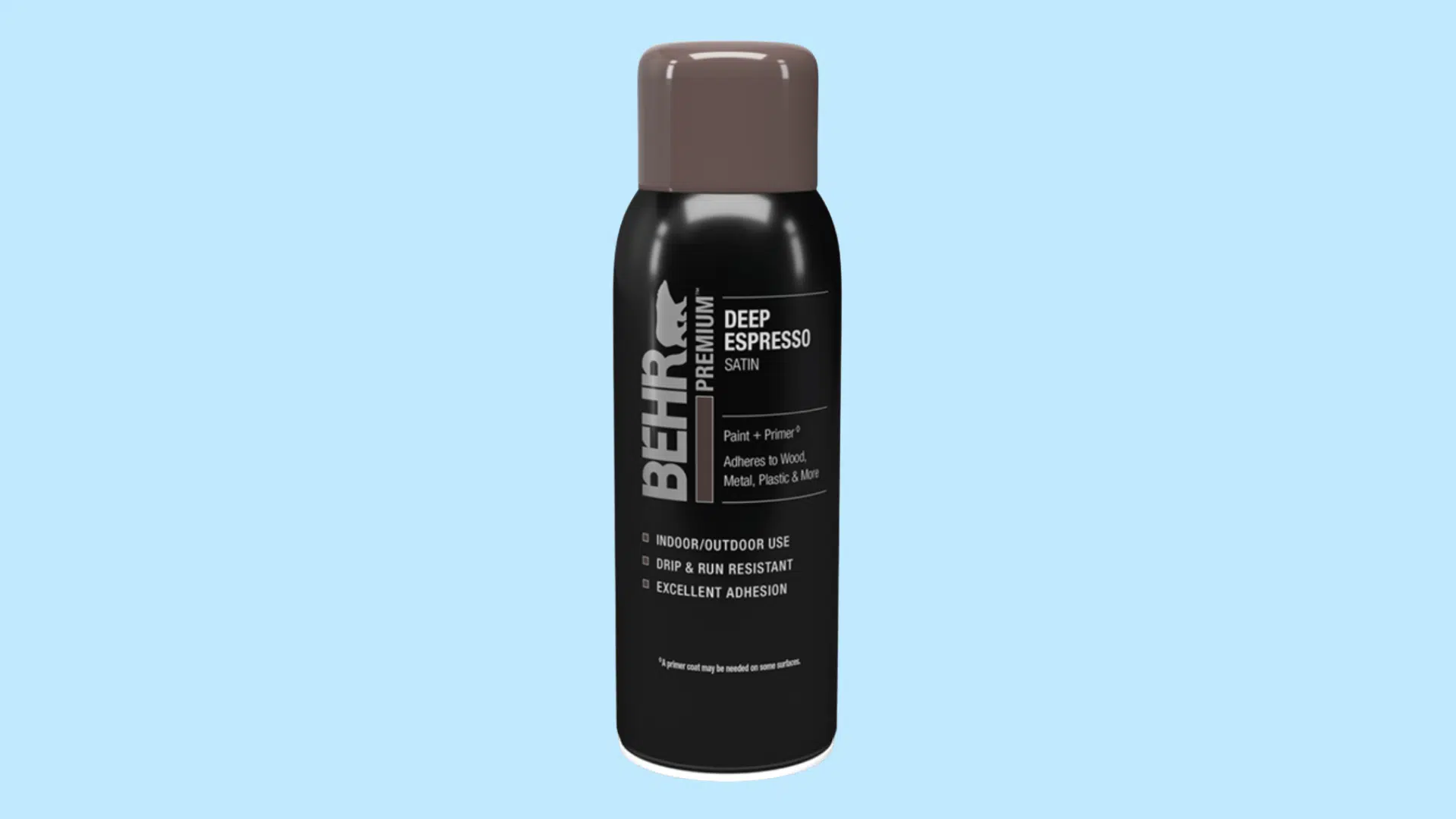
- Price: $8–11 (12 oz can)
- Colors Available: Classic hues like Jet Black, Ocean Mist, and Sandstone
- Finish Type: Satin and Gloss
4. KILZ Chalk Spray Paint
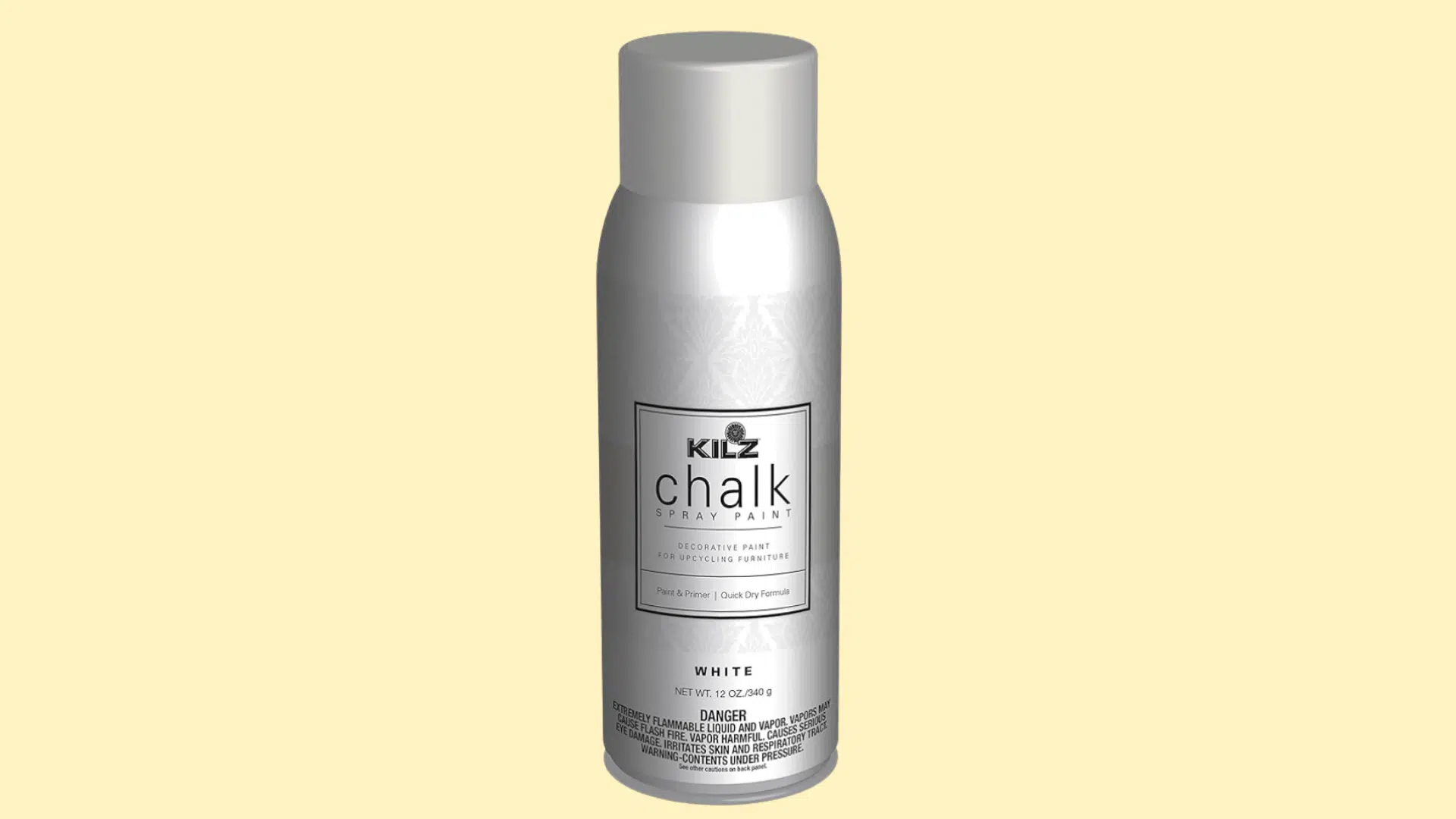
- Price: $8–10 (12 oz can)
- Colors Available: Soft, vintage tones such as Toasted Pecan, White Linen, and Blue Juniper
- Finish Type: Ultra-Matte Chalk
5. Rust-Oleum Chalked Spray Paint
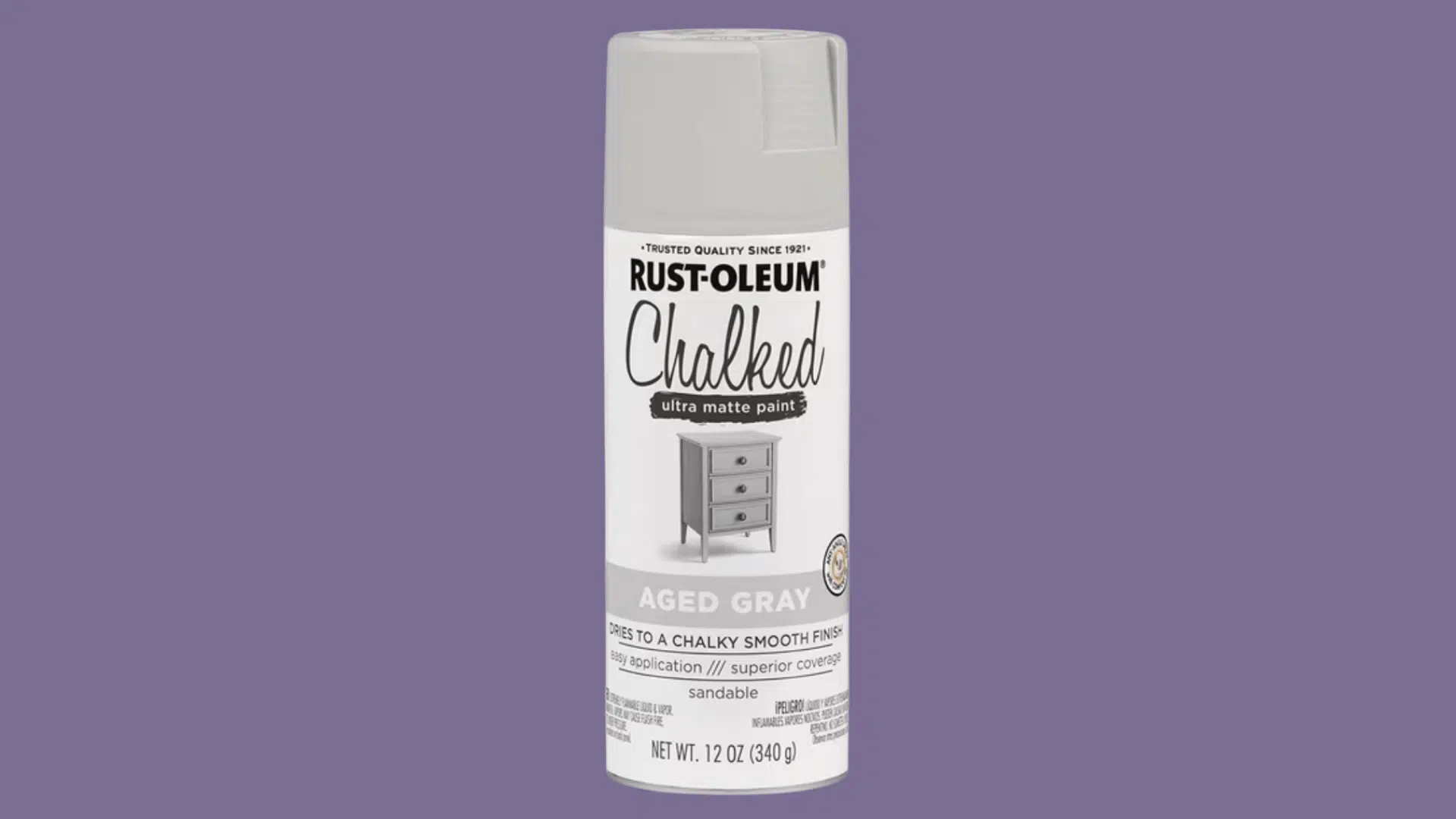
- Price: $9–12 (12 oz can)
- Colors Available: Linen White, Charcoal, Blush Pink, and Aged Gray
- Finish Type: Matte Chalk
Spray Paint Vs Brush: Which Method Works Best for Wood?
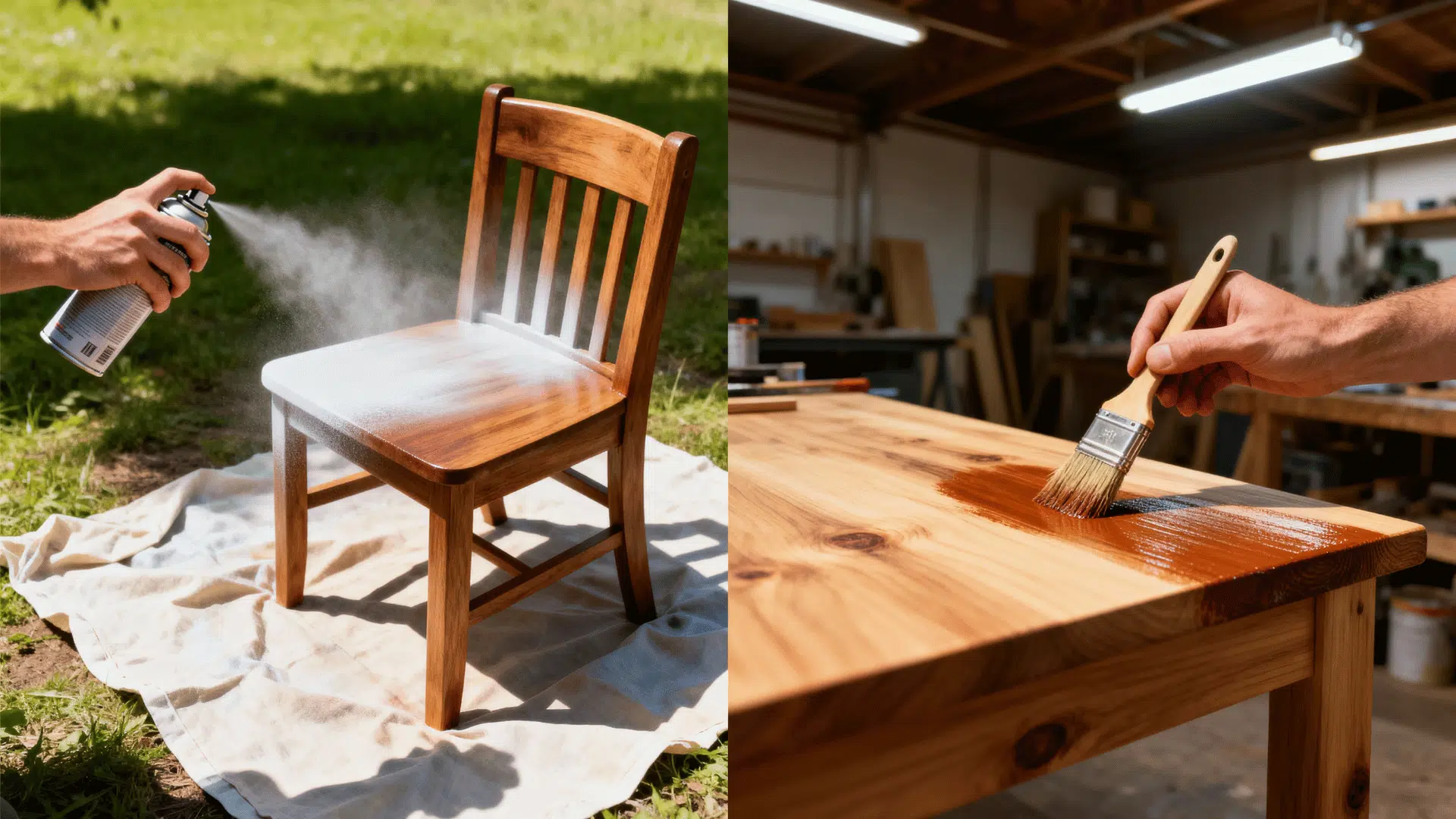
Choosing between spray paint and a brush depends on the project at hand. Spray paint works best for furniture with curves, carvings, or spindles, like chairs and ornate frames.
It delivers smooth, professional finishes without brush marks and covers hard-to-reach spots in seconds.
The process is faster, often taking half the time of brushing. However, spray painting wood requires good ventilation and drop cloths to handle overspray, making outdoor work ideal.
On the other hand, brushes excel on large, flat surfaces like tabletops or cabinet doors. They offer more control, create less mess, and work better in tight indoor spaces.
For detailed furniture pieces, spray paint is the winner. For simple, large surfaces with limited ventilation, a quality brush makes more sense. Consider the project size, detail level, and workspace before deciding.
The Bottom Line
So, can you spray paint wood successfully? Absolutely yes, here you got to know when you combine proper prep, quality paint, and solid technique.
Even basic cleaning and choosing the right paint type make the difference between a finish that lasts years versus one that chips within weeks.
Ready to brighten your furniture? Gather your supplies, set up proper ventilation, and start spraying. You’ll be surprised at what a few cans of paint can accomplish.