You’ve just finished spray painting your project, and now comes the hardest part: waiting. But here’s what most people don’t realize: there’s a big difference between paint that feels dry and paint that’s actually ready to handle.
Touch too soon, and you’ll smudge your work, but waiting longer than necessary just wastes your time.
The drying process hides more variables than you’d expect, from temperature tricks to humidity secrets. So how long does spray paint really need before it’s safe to touch, move, or use your project?
Understanding Spray Paint Drying Time: The Basics
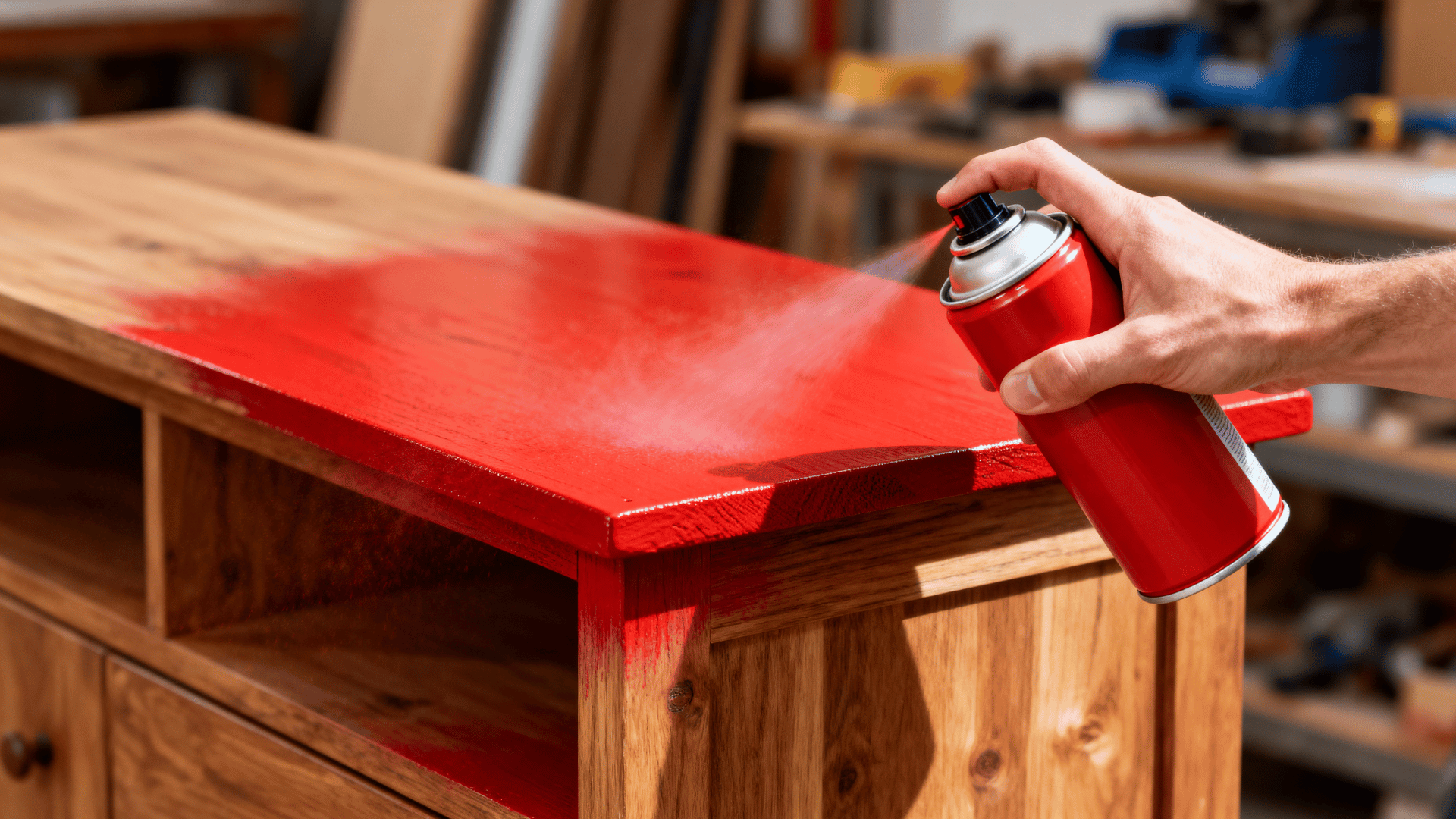
Spray paint doesn’t dry all at once; it goes through different stages. Knowing these stages helps you handle your project safely and get the best results.
- Touch-dry/Tack-free (10-30 minutes): The surface feels dry to the touch, but the paint underneath is still soft and can smudge easily.
- Hard-dry (1-3 hours): The paint can handle light pressure without damage, though it’s not fully cured yet.
- Full cure (24 hours to 7 days): Your paint reaches maximum durability and strength, ready for heavy use.
- Surface-dry timeframe: Most spray paint dries on the surface in 5 minutes to 8 hours.
- Complete cure time: Plan for at least 24-48 hours before exposing painted items to regular use.
Understanding these drying stages helps you plan your project timeline more effectively. Temperature, humidity, and paint type all affect how quickly each stage happens.
Factors That Affect How Long Spray Paint Takes to Dry
The same spray paint can dry in 20 minutes for one person and remain sticky for hours with another. These inconsistencies stem from environmental conditions, application methods, and material differences.
- Temperature and Humidity Levels: Low temperatures slow solvent evaporation, extending drying time. High humidity adds moisture, preventing proper evaporation and causing delays and tackiness.
- Surface Porosity and Material: Porous surfaces like wood and cardboard absorb paint quickly, speeding up drying, while non-porous materials like metal, plastic, and glass trap solvents, slowing it evaporation.
- Paint Thickness and Application Style: Light mist coats dry faster because they contain less material. Heavy, wet coats, dripping, and pooling create thick paint layers that take considerably longer to dry.
- Type of Paint Formula: Water-based spray paints typically dry faster than oil-based formulations. Specialized fast-dry aerosols contain additives that accelerate evaporation compared to regular spray paint options.
- Airflow and Ventilation: Proper air circulation speeds solvent evaporation by replacing saturated air with fresh air. Stale, enclosed spaces trap moisture, prolonging the time it takes spray paint to dry substantially.
How Long Does Spray Paint Take to Dry on Different Surfaces
Surface material dramatically impacts drying speed. Each material interacts with paint differently; some absorb it quickly, while others resist penetration.
Knowing how long spray paint takes to dry on specific surfaces helps set realistic expectations and prevents handling items before they’re dry.
1. Metal
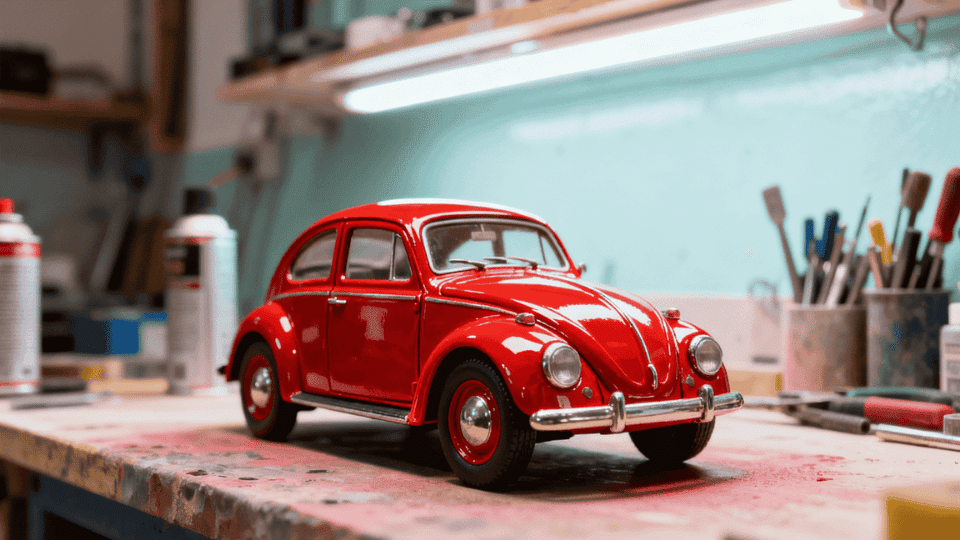
Metal surfaces let spray paint dry faster than most materials because they don’t absorb moisture and conduct heat well. The nonporous surface means paint sits on top instead of soaking in, which speeds up the initial drying process.
Most spray paints feel dry to touch on metal within 10 to 20 minutes under normal conditions. However, you’ll need to wait 1 to 2 hours for the paint to fully bond and harden on the metal surface.
2. Wood
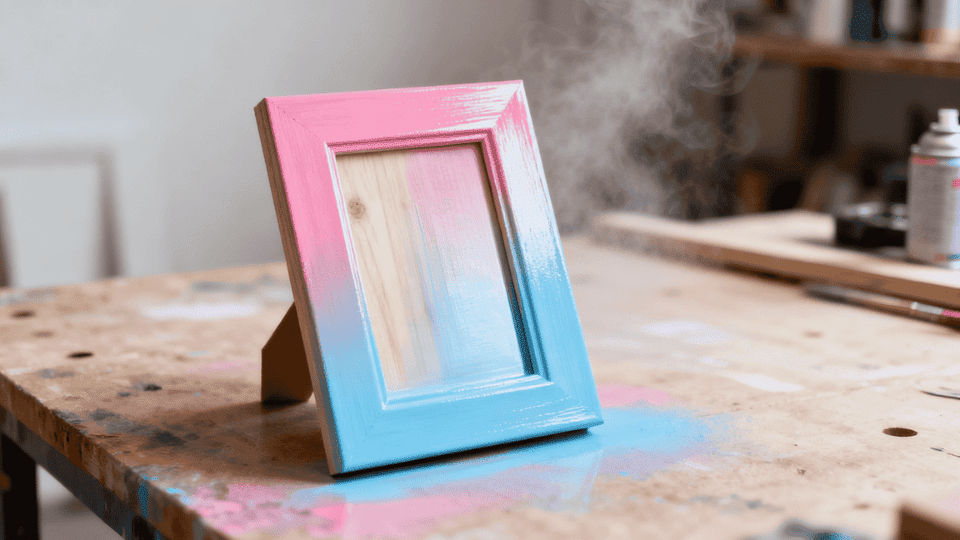
Wood’s porous structure soaks up spray paint, which helps it dry faster than non-porous materials. Raw or lightly sealed wood typically feels dry to the touch within 15-30 minutes of spraying and fully hardens in 1-3 hours.
Heavily varnished wood acts more like a non-porous surface, so drying takes longer. The wood’s finish and the density of its grain will determine your total drying time.
3. Plastic
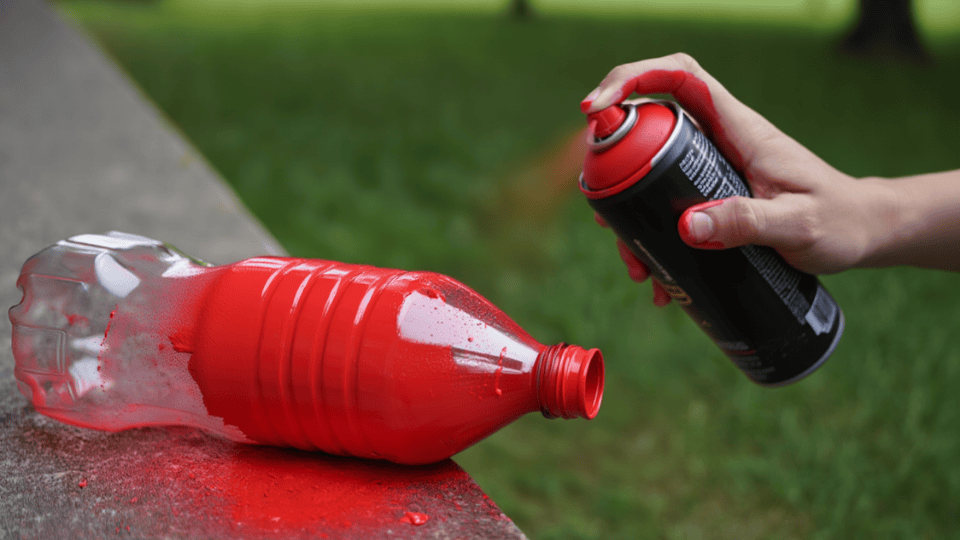
Plastic presents challenges because it doesn’t absorb paint and often repels certain formulas. Standard spray paint on plastic dries to the touch in 20 to 40 minutes, but requires specialty plastic primers for proper adhesion.
How long spray paint takes to dry on plastic varies significantly depending on the type of plastic and whether primer is used.
4. Glass and Ceramics
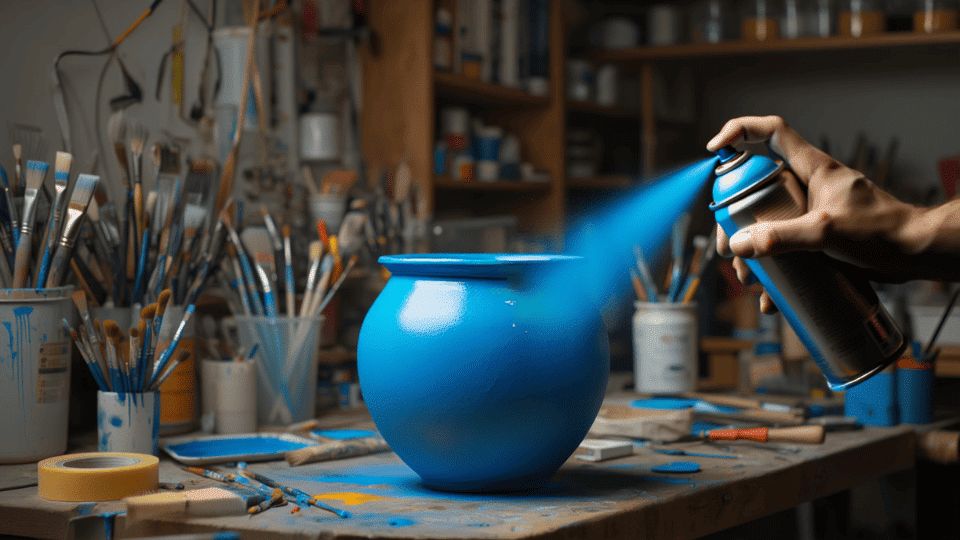
Glass and ceramic surfaces are completely non-porous, so spray paint sits entirely on top. Dry-to-touch occurs around 30 minutes, but these surfaces require 24 to 48 hours for full curing.
Knowing how long spray paint takes to dry on glass prevents fingerprints and ensures maximum durability before use.
5. Fabric
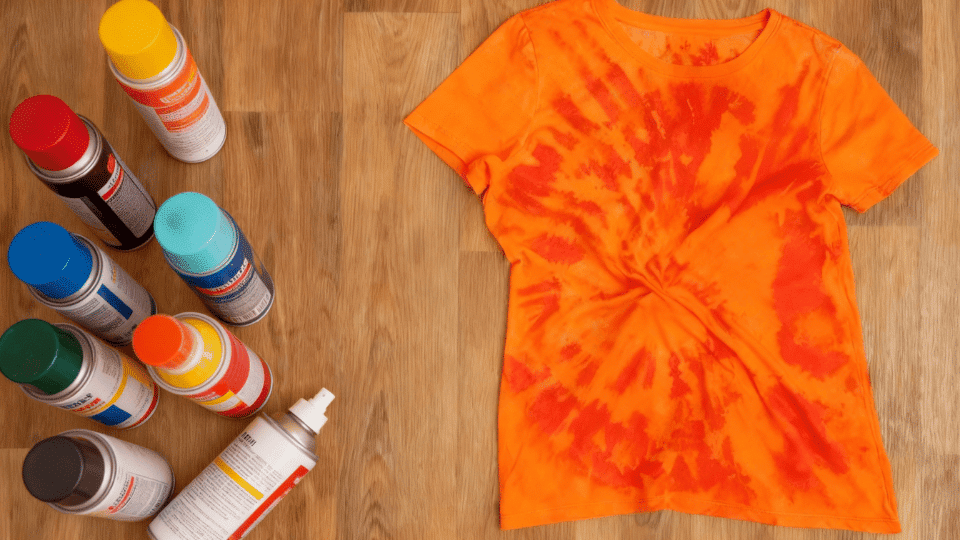
Fabric requires specialized fabric spray paint that penetrates fibers rather than sitting on top.
These formulas reach dry-to-touch within 15 to 20 minutes but need 24 hours before washing or heavy use. How long for spray paint to dry on fabric depends on fabric thickness and weave density.
6. Concrete and Masonry

Concrete and masonry are highly porous, drawing paint into their surface quickly. Dry-to-touch happens within 20 to 30 minutes on these surfaces.
However, concrete’s alkalinity can affect paint chemistry, so understanding how long spray paint takes to dry on concrete is key to achieving lasting results.
Drying Times by Spray Paint Type
Each spray paint formula uses distinct solvents and binders that determine drying speed. Understanding how long each spray paint type takes to dry helps ensure proper project planning and prevents finish damage.
| PAINT TYPE | TOUCH-DRY | HARD-DRY | FULL CURE | KEY FEATURES |
|---|---|---|---|---|
| Fast-Drying General Purpose | 5 min | 30 min | 24 hrs | Speed over durability |
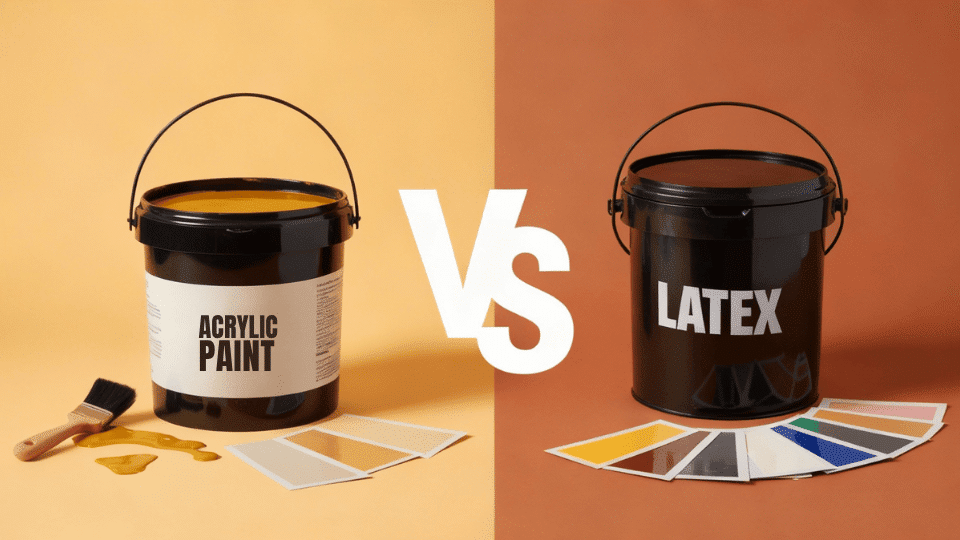
| Acrylic | 15-30 min | 1-2 hrs | 24 hrs | Water-based; versatile |
| Enamel | 2-3 hrs | 12 hrs | 1-3 days | Glossy; durable; slow |
| Lacquer | 3-5 min | 3 hrs | Hardens immediately | Fastest drying; recoat quickly |
| Oil-Based | 6-8 hrs | 24 hrs | 2-7 days | Weather-resistant; slow |
| Epoxy/Polyurethane | 5-30 min | 1 hr | 1-3 days | Two-part; extremely hard |
| Latex | 1 hr | 8 hrs | 24 hrs | Water-based; flexible |
| Chalk Paint | 30-60 min | 2-4 hrs | Needs topcoat | Matte stays soft unsealed |
| Metallic | 20-40 min | 2-3 hrs | 24-48 hrs | Avoid heavy coats |
| High-Heat | 30 min | 1 hr | Requires heating | Heat-activated cure |
Common Mistakes That Extend Drying Time
Even the best dryer can underperform if you’re unknowingly making mistakes during the drying process. Here are some common errors that can significantly slow down drying time and how to avoid them.
- Painting Too Close to the Surface: Holding the can too close to the surface results in heavy, wet coats that take significantly longer to dry and often lead to drips or an uneven finish.
- Not Shaking the Can Long Enough: Under-mixed paint causes inconsistent spray patterns and leaves thicker patches that dry slowly because the solvents aren’t evenly distributed.
- Painting Dusty, Oily, or Unprepped Surfaces: Contaminants trap moisture and prevent paint from bonding properly, leading to patches that stay wet or tacky long after they should be dry.
- Using Incompatible Paint and Primer Combinations: Certain primers repel or resist specific spray paints, slowing the drying process and sometimes causing bubbling, wrinkling, or tackiness.
Wrapping It Up
Successfully managing how long spray paint takes to dry requires attention to multiple variables working together. Temperature, humidity, surface type, and application technique all influence the final timeline.
Choosing the right paint formula for specific materials prevents compatibility issues that unnecessarily extend drying periods.
Proper surface preparation ensures paint adheres correctly and dries uniformly. Patience during the curing phase protects your work from premature damage, ensuring professional-quality finishes that last.