Timing matters when you’re trying to kill weeds in your lawn or garden. Spray too early or too late, and you might waste your time and money without getting rid of those pesky plants.
The best time to spray depends on the type of weeds you’re dealing with, the weather conditions, and the herbicide you’re using.
Knowing when weeds are easiest to kill helps you stop them before they spread. We’ll cover the best timing for weed control and when it’s too late to spray.
Why Weed Type Determines Your Spray Deadline?
Knowing when it is too late to spray weeds depends on understanding their growth and spread, which vary by type and affect herbicide effectiveness. Missing the right window leads to wasted effort and ongoing infestations.
- Annual weeds: Germinate from seed each spring, grow rapidly through summer, and die after producing thousands of seeds in fall. Spraying after seed development guarantees next year’s infestation
- Perennial weeds: Establish deep root systems that survive winter and regrow each year. Fall applications work best as nutrients carry herbicides to roots. Spring treatments only kill visible growth
- Biennial weeds: Complete their life cycle over two years. First-year rosettes respond well to treatment. Second-year flowering stems become woody and resist chemicals
Best Times of Year to Spray for Weeds
Seasonal timing dramatically affects herbicide absorption and effectiveness. Weeds must be actively growing to pull chemicals into their systems, which means temperature, moisture, and daylight all play crucial roles.
| SEASON | EFFECTIVENESS | KEY DETAILS |
|---|---|---|
| Spring | Excellent for annuals | Best time to target young annual weeds before they establish; early window for post-emergent applications when weeds are small and vulnerable |
| Summer | Limited success | Treat only if weeds remain green and actively growing; heat-stressed weeds stop absorbing nutrients and won’t take up herbicides effectively |
| Fall | Prime for perennials | Ideal window for perennial broadleaf weeds as they transport nutrients to roots for winter storage; strong root translocation carries herbicides deep into systems |
| Winter | Ineffective | Usually too late because both weeds and turf enter dormancy; no active growth means no herbicide absorption |
Signs You Have Missed the Spray Window
Recognizing when is it too late to spray for weeds can save time and money on ineffective treatments. Certain visual cues and environmental conditions indicate that herbicides will no longer work as intended.
Weeds display clear signals when they’ve moved past their vulnerable growth stages, and lawn conditions themselves can prevent proper chemical absorption.
- Visible flowering or seed production: Weeds with blooms or mature seed heads have already completed their reproductive cycle, making herbicide applications pointless since seeds are set to spread.
- Dormant or heat-stressed turf: Brown, dormant grass indicates weeds have also stopped active growth and won’t absorb chemicals; drought-stressed lawns show similar resistance to treatment.
- Extreme temperatures: Daytime highs above 85°F or overnight lows below 50°F shut down weed metabolism and prevent herbicide uptake into plant tissues.
- Widespread established growth: Dense weed patches with thick stems and extensive root systems resist chemical treatments that work best on young, tender plants.
- Recent mowing or frost damage: Cutting weeds within three days of spraying removes leaf surface needed for absorption; frost-damaged plants can’t transport chemicals effectively.
What Happens If You Spray Too Late
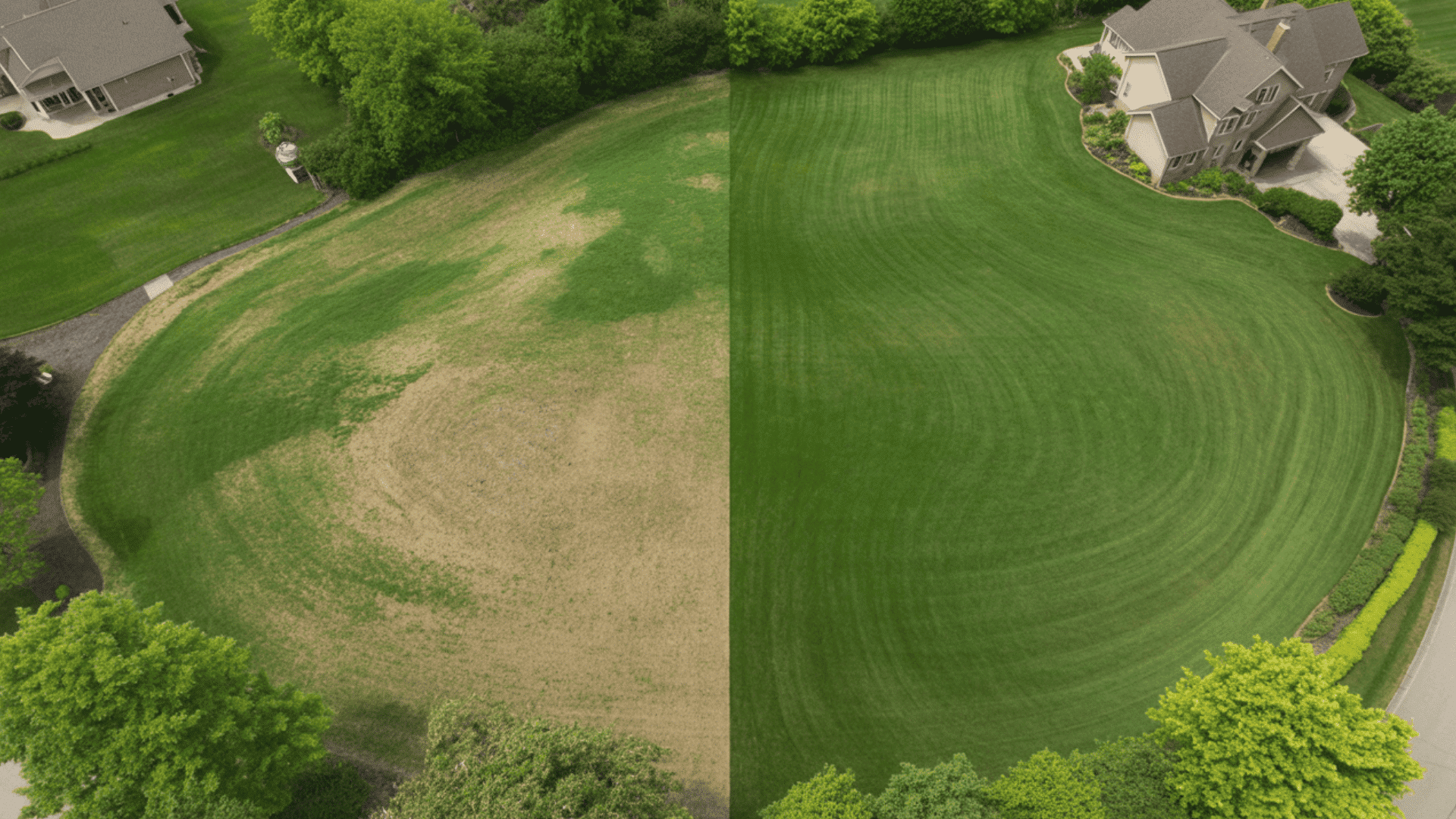
Understanding when is it too late to spray for weeds helps avoid these costly mistakes. Mistimed applications waste money on products that simply won’t work, and can even harm healthy grass that’s already struggling with environmental stress.
1. Reduced Absorption

Weeds in dormancy, flowering stages, or heat stress have slowed their metabolic processes significantly.
Their leaves and stems stop actively pulling nutrients from soil and air, which means herbicides remain on the surface rather than traveling into root systems.
Determining when is it too late to spray for weeds prevents situations where chemicals wash away with the next rain or irrigation without ever entering plant tissues that control growth and reproduction.
2. Wasted Product
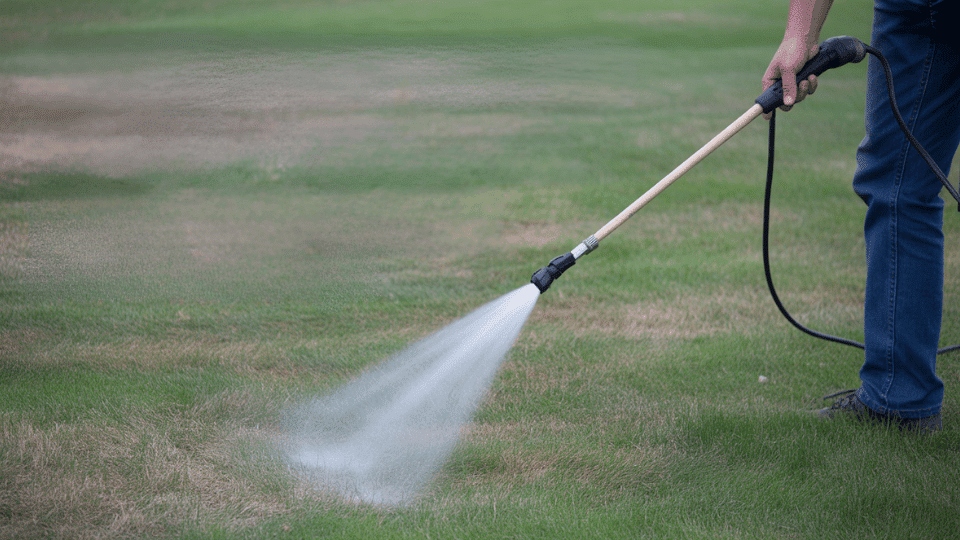
Herbicide applications during poor timing windows deliver minimal to zero results despite full product costs.
The chemicals break down from sunlight exposure, get diluted by dew or rain, or simply sit on waxy leaf surfaces without penetration.
People end up purchasing additional treatments and reapplying them multiple times, multiplying expenses while weeds continue to grow and spread seeds throughout the lawn and garden beds.
3. Possible Lawn Injury
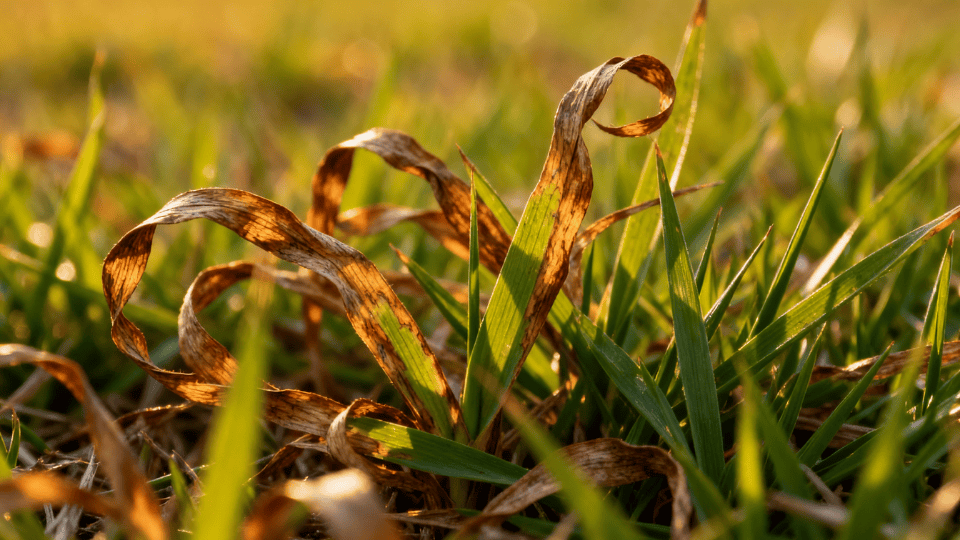
Turfgrass under heat stress, drought, or early dormancy becomes vulnerable to herbicide damage when applications occur at the wrong time.
Spraying during temperature extremes compounds stress on desirable grass while failing to control target weeds, leaving lawns looking worse than before treatment began.
Best Conditions for Spraying to Maximize Effectiveness
Environmental conditions matter just as much as calendar timing when determining when is it too late to spray for weeds. Even during the right season, poor weather can render herbicides completely ineffective.
| CONDITION | IDEAL RANGE | WHY IT MATTERS |
|---|---|---|
| Temperature | 60°F to 85°F with mild, steady daytime temps | Weeds actively grow and metabolize within this range; extreme heat or cold shuts down nutrient transport and prevents herbicide absorption into plant tissues |
| Soil Moisture | Moist but not saturated or waterlogged | Adequate moisture enhances chemical uptake through roots and reduces plant stress; overly wet soil dilutes product, while dry soil stresses weeds into protective dormancy |
| Leaf Surface | Completely dry with no dew or rain | Herbicides need dry leaves to stick and penetrate waxy cuticles; moisture on leaf surfaces dilutes active ingredients and causes runoff before absorption occurs |
| Wind Speed | Light breeze under 10 mph | Prevents herbicide drift onto desirable plants and garden beds; calm conditions ensure product lands precisely on target weeds for maximum effectiveness |
What to Do If You Have Missed the Window
Recognizing when is it too late to spray for weeds doesn’t mean accepting defeat. Alternative strategies can still control existing infestations and prevent future problems.
Shifting focus from chemical treatments to mechanical removal, cultural practices, and strategic planning keeps lawns healthy while limiting weed spread.
1. Switch to Non-Chemical Methods
Mechanical removal becomes the most practical solution once weeds have passed their herbicide-responsive stages. Physical control methods work regardless of growth phase or weather conditions.
- Hand pulling removes entire root systems when the soil is moist, preventing regrowth
- Mulching smothers existing weeds and blocks sunlight from triggering new seed germination
- String trimming cuts seed heads before they mature and disperse throughout the lawn
2. Prepare for the Next Seasonal Window
Missing the current treatment opportunity makes planning for the next cycle essential. Proactive lawn care reduces weed populations before they emerge.
- Plan pre-emergent herbicide timing for early spring or fall based on local weed germination patterns
- Overseed thin lawn areas to establish dense turf that crowds out weed seedlings
- Improve soil quality through aeration and fertilization to strengthen grass competitiveness
3. Spot Treat Only Where Still Effective
Selective applications on responsive weeds avoid wasting product on resistant mature plants. Targeted spraying focuses resources where they’ll actually work.
- Young weeds and late-emerging plants still absorb herbicides effectively during active growth
- Isolated problem areas receive treatment without exposing entire lawns to unnecessary chemicals
- Avoid blanket sprays that waste product on dormant or flowering weeds
Simple Decision Checklist
Step 1: Identify the Weed
☐ Confirm if it is annual, perennial, or biennial
☐ Determine if it is broadleaf, grassy, or a sedge
☐ Verify correct identification before choosing a product
Step 2: Determine Growth Stage
☐ Check if weeds are small and tender
☐ Look for flowers, seedheads, or tough stems
☐ Note if the weed has already spread or matured
Step 3: Evaluate Weather Conditions
☐ Confirm temperatures are mild and stable
☐ Avoid heat waves, cold snaps, or drought periods
☐ Ensure no rain is expected for several hours
☐ Check that soil is moist but not waterlogged
Step 4: Choose Pre-Emergent or Post-Emergent
☐ Pre-emergent if weeds have not germinated yet
☐ Post-emergent if weeds are visible and actively growing
☐ Use selective lawn-safe products when needed
☐ Use non-selective only for spot treatments
Step 5: Decide to Spray, Wait, or Use Mechanical Control
☐ Spray if weeds are young and conditions are good
☐ Wait if the weather or turf health is poor
☐ Use mechanical control if weeds are mature or seeding
☐ Plan the next seasonal window if timing is already too late
Conclusion
Timing your weed spray correctly saves time and money. Treat annual weeds before they seed, and spray perennials in fall for best results.
Temperature, growth stage, and weather all affect how well herbicides work. If you’ve missed the window this year, you’ll get another chance next season.
Don’t let weeds win. Time your treatments right and enjoy a healthier yard all year.