

Knowing how to change a watch battery keeps your timepiece ticking without the hassle of taking it to a repair shop.
I’ve changed countless watch batteries over the years, and I can tell you it’s simpler than most people think if you have the right tools and a gentle hand.
This skill saves both time and money, especially for everyday watches with standard batteries. For straightforward watches, though, changing a watch battery at home is entirely manageable.
That said, not every watch is DIY-friendly. Some luxury or water-resistant models require professional handling to maintain their integrity.
How Long Do Watch Batteries Usually Last?
Most watch batteries last between 2 and 5 years, depending on the type and how often you use specific features.
Standard quartz watches with basic timekeeping functions tend to reach the longer end of that range, while watches with additional complications drain power faster.
Several factors affect how long your watch battery lasts before you need to replace it. Frequent use of backlights, alarms, or chronograph functions significantly accelerates battery depletion.
If your watch stops unexpectedly or the second hand jumps in 2-second intervals, it’s a clear sign you’ll need to replace the watch battery soon.
Identify Your Watch Type Before Opening It
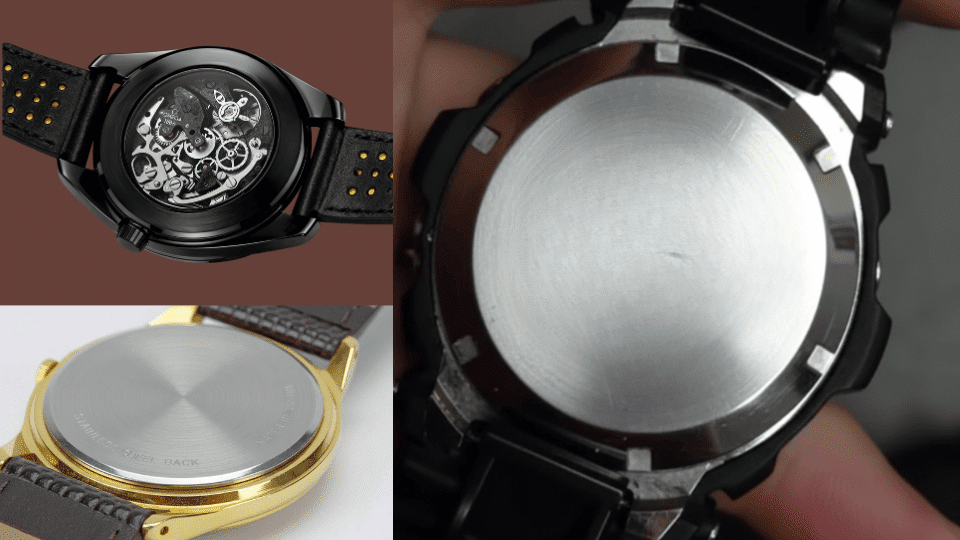
Before you change the watch battery, take a close look at the case back to determine which Opening Method you’ll need for your watch.
1. Snap Back Case
Snap-back cases are the most beginner-friendly option for anyone learning how to change a watch battery. You’ll recognize this type by its smooth, flat back, with no visible screws or notches.
- How to Recognize it: Look for a small lip or indentation along the edge where a tool can pry it open
- Level of Difficulty: Easy requires only a case knife or flathead screwdriver
- Opening Method: Gently insert the tool into the groove and pop the back off
2. Screw Back Case
Screw back cases offer better water resistance but require more effort when changing the watch battery.
- How to Recognize it: Look for 4-6 small notches or indentations around the perimeter of the case back
- Level of Difficulty: Moderate requires a case wrench or an adjustable removal tool
- Opening Method: Twist counterclockwise using a tool that fits securely into the notches
3. Watches You Should Avoid Opening
Some watches aren’t suitable for home battery replacement, no matter how confident you feel.
- How to Recognize it: Luxury brands, waterproof ratings above 50m, chronograph complications, or smart watches
- Level of Difficulty: Professional-only complex mechanisms and specialized seals require expert handling
- Opening Method: Take these to an authorized service center to preserve warranties and functionality
Tools and Materials Required
Before you begin changing the watch battery, gather the right tools to make the process smoother and protect your watch from accidental damage.
| Tool or Material | Purpose |
|---|---|
| Soft cloth or microfiber pad | Protects the watch face from scratches |
| Small pry tool or flat precision screwdriver | Opens the snap-back cover |
| Needle-nose pliers or plastic tweezers | Lifts the battery and plastic retaining ring |
| Replacement watch battery (matching battery code) | New power source |
| Felt furniture pad (firm type) | Protects the watch during the clamp method |
| Two coins of a similar diameter to the watch back | Evenly distribute pressure when closing the cover |
| Small C clamp (dollar store) | Second method for closing the watch back safely |
Step-by-Step Battery Changing
Now that you have your tools ready and know your watch type, let me walk you through the process of changing a watch battery safely and effectively.
Step 1: Prepare a Safe, Soft Workspace
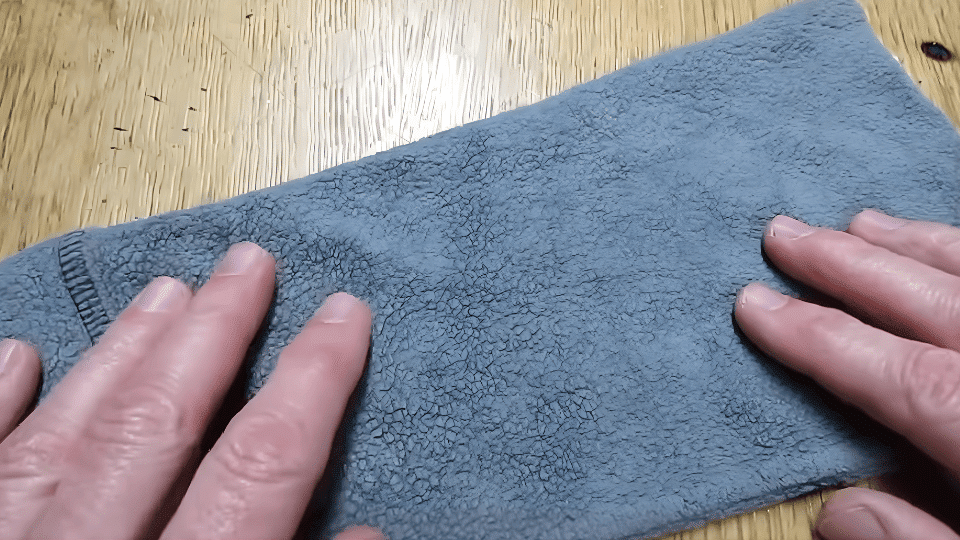
Place a soft cloth or a microfiber pad on your table, then set the watch face down on it. This protects the crystal from scratches while you work.
A clean, stable workspace is important because watch parts are small and can easily roll away.
Good lighting also helps you see tiny components clearly, so position yourself near a bright lamp or window before you start changing the watch battery.
Step 2: Locate the Opening Slot and Remove the Back Cover
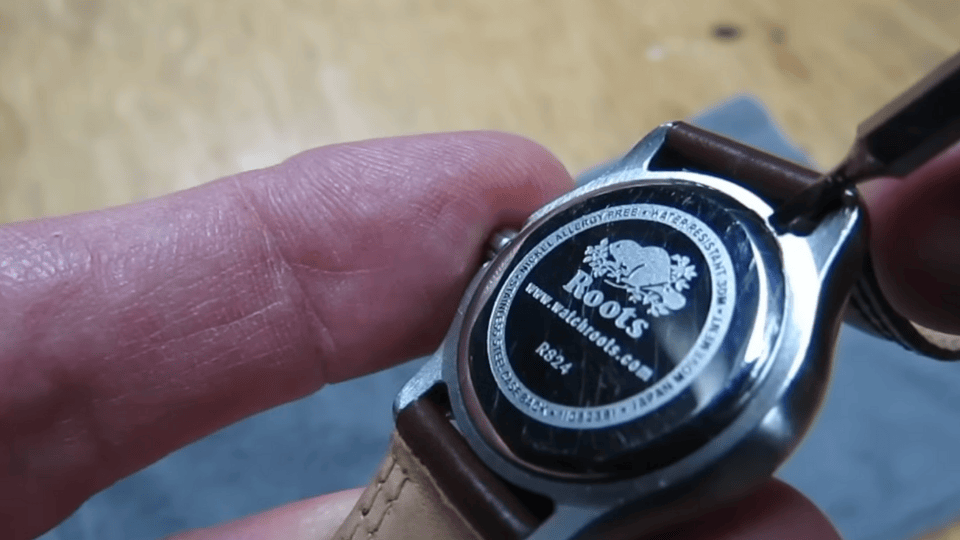
Examine the back perimeter of the watch and look for a tiny slot or notch. This is where you will insert your pry tool.
Slide your flat screwdriver or pry tool gently into the slot and twist with slow, controlled pressure. The back cover should pop open. If you use a knife, be extra cautious to avoid slipping.
Step 3: Remove the Plastic Battery Ring
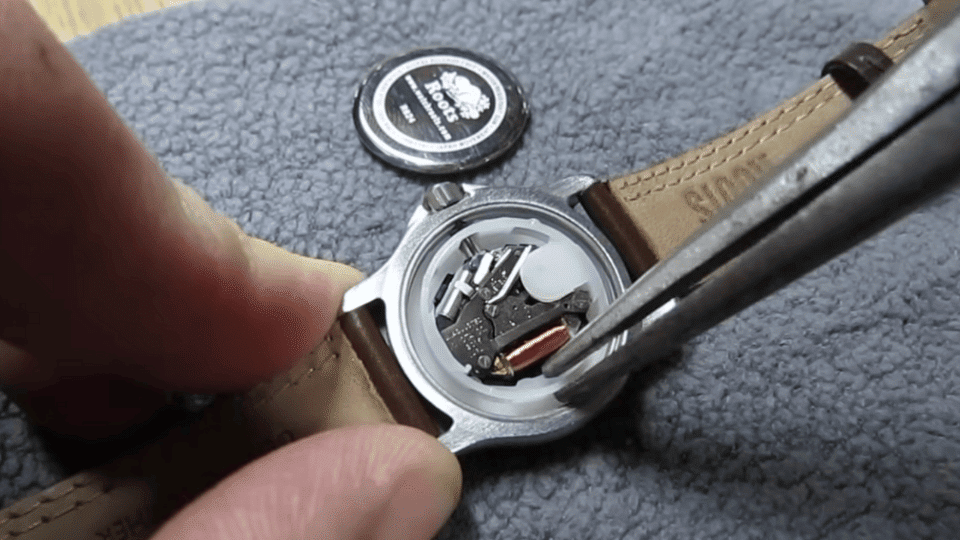
Many watches include a small plastic retaining ring that sits around the battery. Use needle-nose pliers or plastic tweezers to lift this ring out.
Set it aside carefully and note its orientation so you can put it back exactly the same way.
Some rings have a small tab or notch that aligns with a specific position inside the case, so taking a quick photo with your phone can serve as a helpful reference when reassembling.
Step 4: Take Out the Old Battery and Identify the Replacement
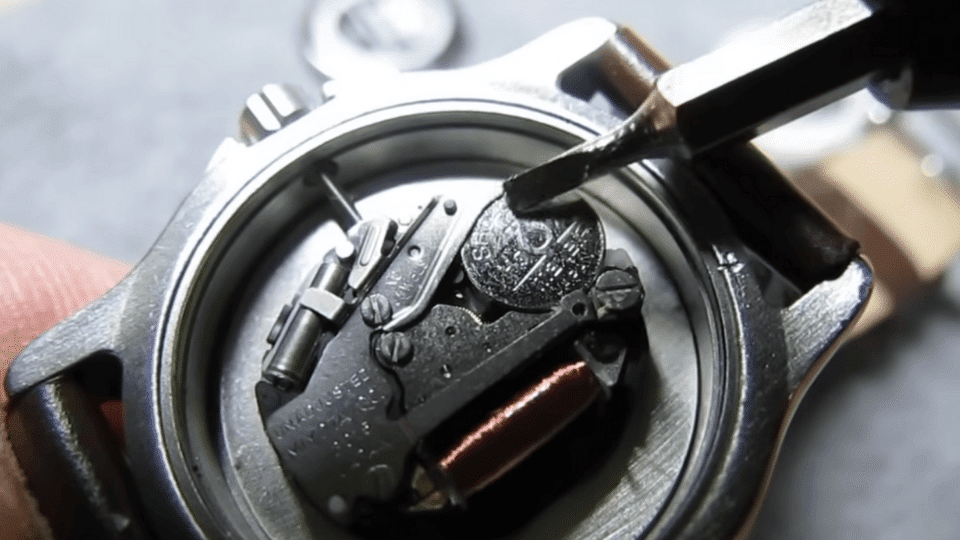
Lift the battery gently using your tweezers. Look closely at the number stamped on the back of the battery. This code tells you the exact replacement you need.
Batteries with mismatched codes will not fit or work correctly. Insert the new battery with the correct orientation, usually with the positive side facing up.
Step 5: Reinstall the Plastic Ring and Align the Back Cover
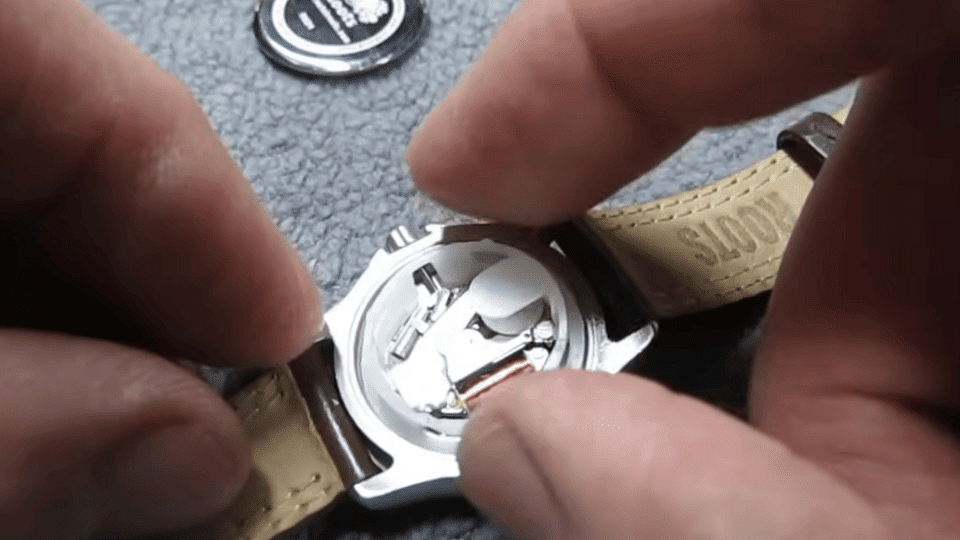
Place the plastic retaining ring back over the new battery. Make sure the small slot in the ring lines up with the watch stem.
Then check the back cover for any indentation that aligns with the stem as well. Proper alignment ensures the cover snaps on evenly and prevents damage to the movement.
Step 6: Method One: Press the Cover On by Hand
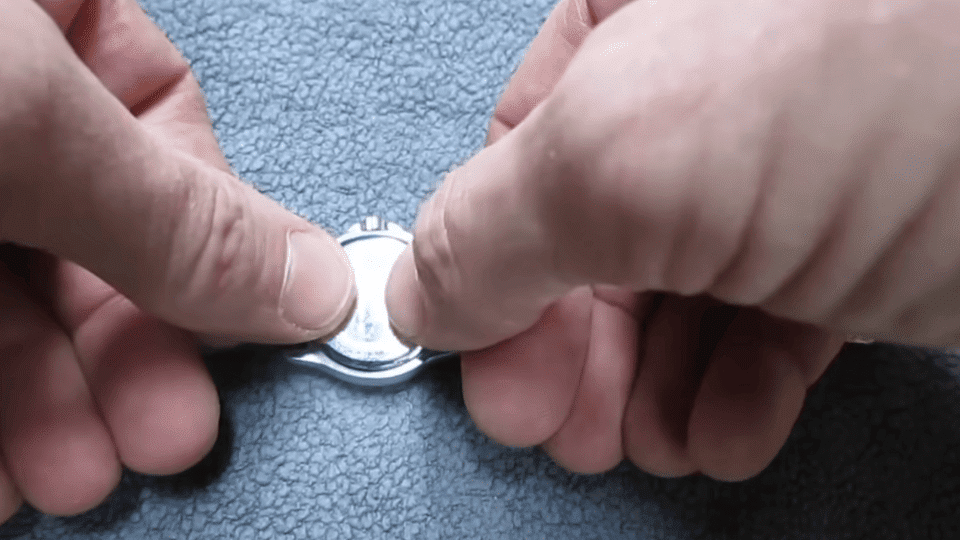
Place the watch back on the soft cloth, then press down firmly on the cover with both thumbs. Apply steady, even pressure.
Sometimes you may need to use most of your body weight. If everything is properly aligned, you should hear a small snap as the cover locks into place.
If it refuses to click, do not force it. Move to the second method.
Step 7: Method Two: Use a C Clamp for Difficult Covers
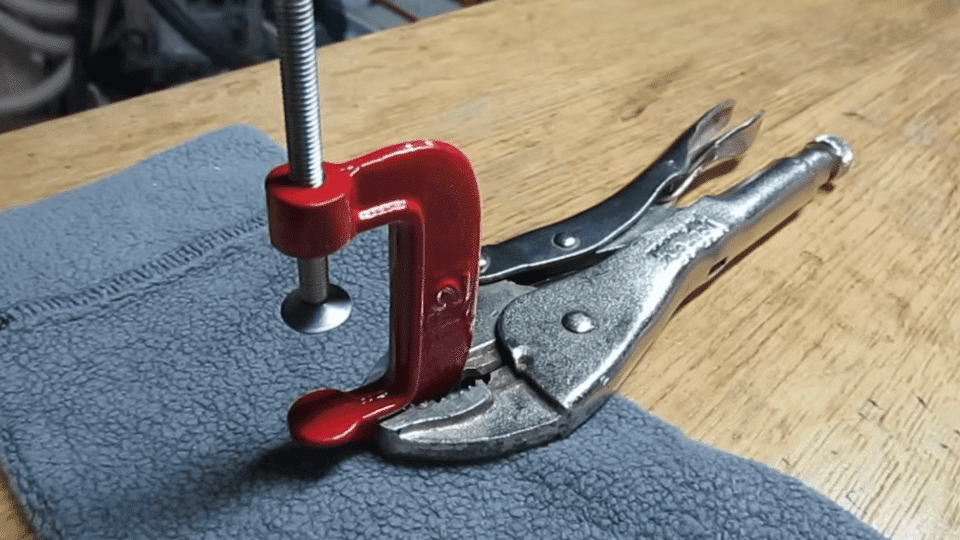
For stubborn covers, set up a safe pressure system.
Place a coin on the bottom pad of the C clamp. Put a firm felt furniture pad on top of the coin, slippery side facing down.
Set the watch on the felt, position the back cover on the watch, and align the stem indentation. Place the second coin on top of the cover.
Slowly tighten the clamp until pressure is applied. Make small adjustments to keep everything centered. When the pressure is just right, you will hear the cover click into place.
Remove the watch and confirm that the back is fully secured.
For More Detailed Instructions, refer to the YouTube video below:
Note that all the steps for changing watch battery remain the same as snap-back cases, except for the screw back case where you’ll need to screw the case back on clockwise instead of pressing it into place.
Common Mistakes to Avoid
Even when you know how to change a watch battery, small mistakes can damage your watch or cause it to malfunction.
Being aware of these common errors before you start helps you work more carefully and avoid costly repairs.
- Forcing the Case Open: Applying excessive pressure can crack the crystal, scratch the case, or bend internal components beyond repair.
- Touching the Battery with Bare Fingers: Oils from your skin can leave a residue that shortens battery life and, over time, can cause corrosion.
- Misplacing or Losing the Gasket: This thin rubber ring maintains water resistance, and without it properly seated, moisture will damage the movement.
- Using the Wrong Battery Size: Installing an incorrect battery can prevent proper contact, cause the watch to run incorrectly, or damage the circuit.
- Skipping the Cleaning Step: Dust and debris inside the case can interfere with the battery connection and compromise timekeeping accuracy.
- Overtightening the Case Back: Excessive force when closing can strip threads on screw backs or crack snap-back cases at pressure points.
Professional Vs DIY: When to Choose Each Option
While knowing how to change a watch battery yourself is valuable, some situations call for professional expertise.
Understanding when to seek professional help protects your investment and ensures your timepiece continues functioning properly for years to come.
| Watch Type | DIY Battery Change | Professional Service |
|---|---|---|
| Waterproof watches | Not recommended opening compromises seals | Required to maintain water resistance and reseal properly |
| Expensive or heirloom pieces | Too risky, irreplaceable value at stake | Essential to preserve value and avoid accidental damage |
| Complex mechanisms | Beyond basic skills, chronographs, perpetual calendars | Necessary expertise for intricate movements and complications |
| Basic quartz watches | Perfect for DIY, simple, low-risk process | Optional, but adds cost for straightforward battery replacement |
| Luxury brands | Voids warranty and lacks specialized tools | Authorized service centers maintain authenticity and coverage |
| Vintage watches | Risky, fragile components and unique parts | Recommended for preservation and sourcing the correct batteries |
Final Tips for Better Battery Replacements
Once you’ve mastered changing a watch battery, a few smart habits will make future replacements even smoother.
These final tips help you work more efficiently, protect your watches, and ensure consistently successful results every time you change a watch battery at home.
- Store spare batteries in a cool, dry place away from metal objects that could cause short circuits. Keep them in their original packaging and check the expiration dates, as batteries lose charge over time.
- Designate a small container for your case opener, tweezers, and cleaning cloth so everything’s ready when you need it. Keeping tools organized prevents frustration and reduces the chance of losing small components.
- Wipe away dust, fingerprints, and debris from both the case back and interior using a soft, lint-free cloth before closing. Even tiny particles can interfere with battery contact or scratch internal components.
- Check that your watch runs smoothly for several minutes after installing the new battery before fully securing the case back. This quick test confirms proper installation and lets you make adjustments if needed.
- Note each watch battery change in a small logbook or phone app to predict future replacements. This record helps you spot patterns and ensures you’re never caught off guard by a dead battery.
Conclusion
Learning how to change a watch battery has helped me to maintain timepieces independently and save money on routine service visits.
With the right tools, a steady hand, and attention to detail, I’ve found that changing a watch battery becomes a straightforward task you can confidently handle at home.
Work slowly, identify your watch type correctly, and avoid common mistakes such as forcing cases open or touching the battery directly.